
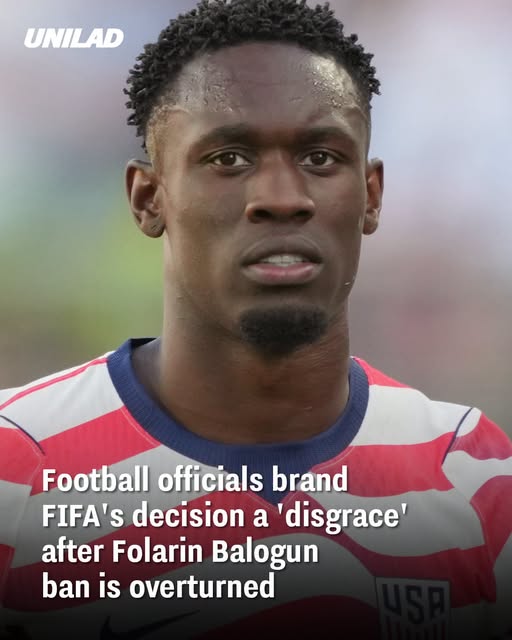
FIFA has come under increasing scrutiny after its decision to suspend the one-match ban issued to United States forward Folarin Balogun, with several UEFA officials openly criticizing the move.
The disciplinary ruling has quickly become one of the most debated topics of the World Cup, prompting discussions about consistency, fairness, and the independence of football’s governing bodies. While FIFA insists that its disciplinary procedures were followed correctly, critics believe the decision sets a worrying precedent during one of the sport’s biggest competitions. The controversy has spread far beyond the teams directly involved, with football administrators across Europe questioning whether every nation would have received the same treatment under similar circumstances.
UEFA Figures Raise Questions Over Fairness
Several UEFA representatives expressed concern that changing an automatic suspension after a red card risks damaging confidence in football’s disciplinary system. According to those officials, the rules surrounding dismissals have traditionally been clear. A straight red card normally carries an automatic suspension, helping ensure that disciplinary decisions remain predictable and consistent throughout a tournament. Critics argue that altering such punishments after appeals could create uncertainty and encourage future disputes whenever controversial refereeing decisions occur. Some officials also questioned whether external attention surrounding the case influenced the process, stressing that disciplinary committees should remain entirely independent from political or public pressure.
FIFA Defends the Appeal Process
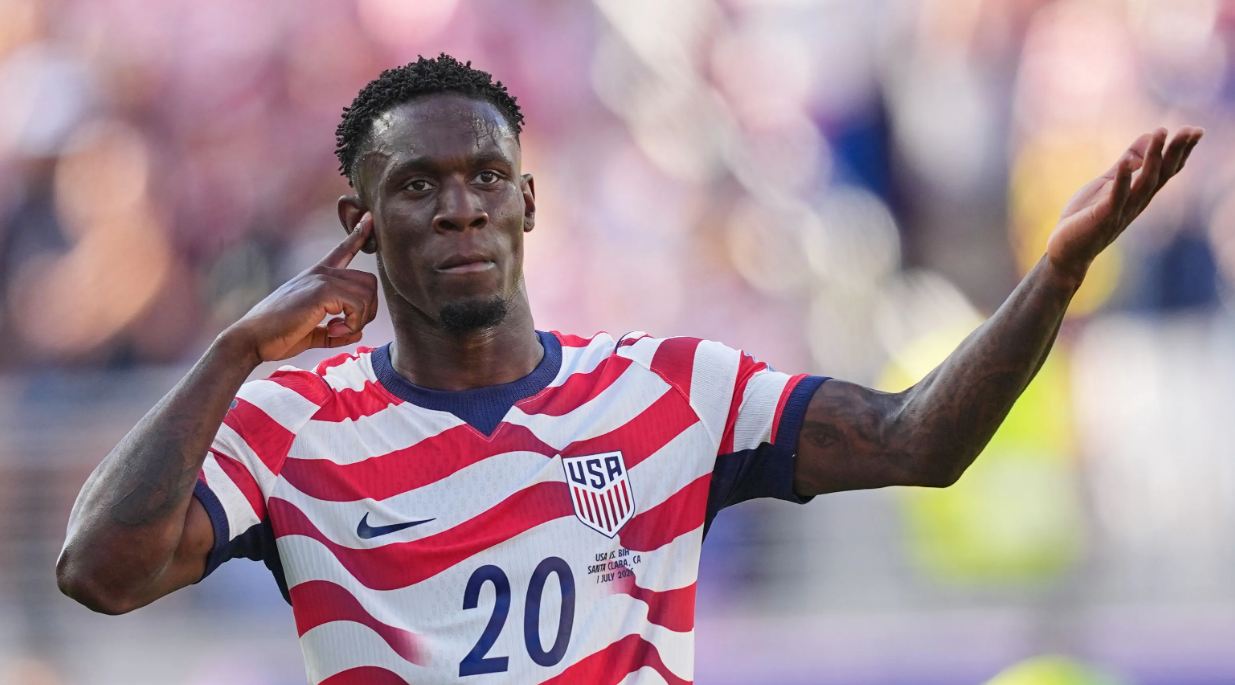
Despite the criticism, FIFA has defended the decision, explaining that the case was reviewed under its existing disciplinary regulations. Following an appeal, the governing body determined that Balogun’s suspension would not be served immediately. Instead, the punishment was converted into a suspended sanction that will remain in effect for a probationary period. If the player commits another comparable disciplinary offense during that time, the original suspension could still be enforced alongside any additional penalty. FIFA maintains that its disciplinary code allows for such outcomes in specific circumstances and insists that every appeal is reviewed individually based on the available evidence. Officials have emphasized that the final ruling was reached through established legal procedures rather than outside influence.
Debate Extends Across the Football World
The decision has generated strong reactions from fans, former players, coaches, and football analysts. Many supporters believe the appeal corrected what they viewed as an excessively harsh punishment, arguing that Balogun’s challenge did not deserve a lengthy suspension during such an important stage of the tournament. Others believe the controversy extends beyond a single player. They argue that football depends on the consistent application of its rules and that exceptions—regardless of the reasoning—can create doubts about the credibility of future disciplinary decisions. The incident has also reignited discussions about the transparency of FIFA’s appeals process and whether disciplinary rulings should be explained in greater detail to players, clubs, and supporters.
Focus Returns to the Tournament
While debate surrounding the disciplinary decision continues, attention is gradually shifting back to events on the pitch.
Balogun remains available for the United States as the knockout rounds continue, giving the American squad a significant boost heading into one of its biggest matches of the tournament. At the same time, UEFA officials are expected to continue discussions regarding how similar situations should be handled in future international competitions. Some believe the controversy could encourage FIFA to review or clarify parts of its disciplinary code to avoid comparable disputes in the years ahead. For now, the ruling remains one of the defining talking points of the World Cup. Whether viewed as a fair correction or an inconsistent application of the rules, the decision has highlighted the delicate balance between flexibility and consistency in international football. As the tournament progresses, the debate surrounding FIFA’s disciplinary process is likely to remain almost as closely followed as the matches themselves.