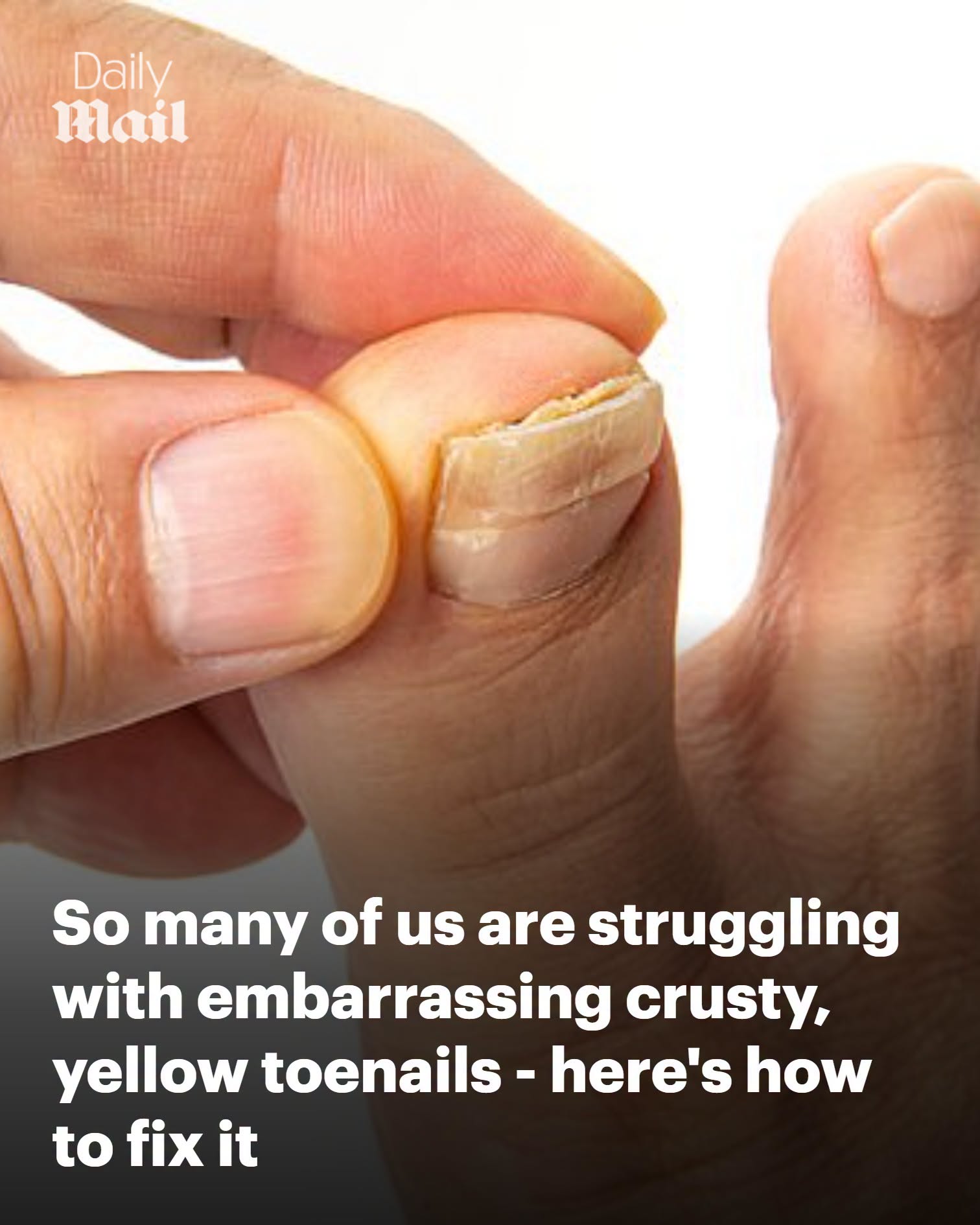
Discolored, thick, or brittle toenails are a common concern that affects millions of people. While many assume the changes are simply a normal part of aging, health experts say they often point to an underlying issue that deserves attention. Yellow or crusty toenails can develop gradually, making it easy to overlook the early warning signs. In many cases, the condition is treatable, especially when identified early. However, leaving it untreated may allow the problem to worsen and become more difficult to manage.
Understanding what causes these nail changes is the first step toward restoring healthy feet.
Fungal Infections Are the Most Frequent Cause
One of the leading reasons for yellow, thickened toenails is a fungal infection, medically known as onychomycosis. Fungi thrive in warm, damp environments, making shoes and sweaty socks ideal places for them to grow. The infection often begins as a small discoloration near the edge of the nail before gradually spreading deeper into the nail plate. Over time, the nail may become thicker, more brittle, crumbly, or even begin to separate from the nail bed. Although fungal nail infections are rarely dangerous, they can be persistent and may take several months to fully clear, even with appropriate treatment.
Everyday Habits Can Increase the Risk
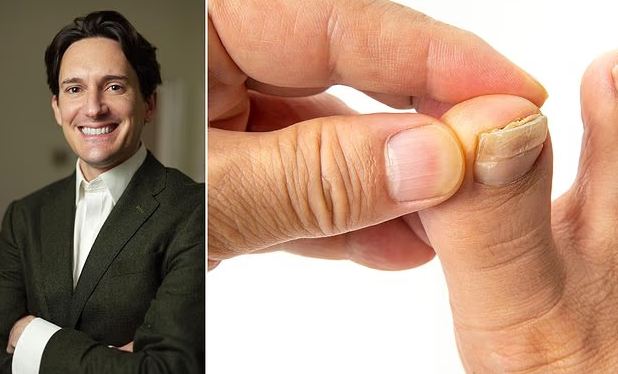
Experts say that some daily routines can unintentionally create the perfect conditions for fungal growth. Wearing the same shoes every day without allowing them to dry properly is one of the most common habits linked to nail infections. Feet naturally produce moisture throughout the day, and shoes that remain damp encourage fungi to multiply. Wearing tight footwear may also cause repeated trauma to the toenails, making it easier for infections to develop. Walking barefoot in public locker rooms, swimming pools, communal showers, and gym changing areas can further increase exposure to fungal organisms. Changing socks regularly, choosing breathable footwear, and rotating shoes can help reduce the risk.
Other Conditions Can Affect Nail Appearance
Not every yellow toenail is caused by a fungal infection. Nail discoloration can also result from repeated injuries, certain skin conditions such as psoriasis, or natural changes associated with aging. Some medical conditions, including diabetes and circulation problems, may also increase the likelihood of developing nail abnormalities or infections. In these situations, proper medical evaluation is especially important because healing may take longer. Occasionally, nail polish can leave temporary yellow staining, particularly when darker shades are used without a protective base coat. Because several conditions can look similar, a healthcare professional may recommend testing before beginning treatment.
Treatment Requires Patience
Toenails grow slowly, which means improvement usually takes time. Depending on the severity of the condition, treatment may include medicated nail lacquers, prescription tablets, or topical antifungal creams. Keeping nails trimmed, clean, and dry can improve the chances of successful treatment. In more severe cases where the nail has become extensively damaged, removal of the affected nail may occasionally be considered. Stopping treatment too early is a common mistake. Even after the infection has cleared, it can take many months for a completely healthy nail to grow back.
Simple Prevention Tips
Preventing fungal nail problems often starts with good foot hygiene. Washing and thoroughly drying the feet every day, especially between the toes, helps reduce moisture that fungi need to survive. Choosing breathable shoes, changing socks daily, and avoiding sharing nail clippers or footwear with others can further lower the risk of infection. People who regularly visit nail salons should also ensure that instruments are properly sterilized between clients.
Healthy Feet Start With Small Daily Habits
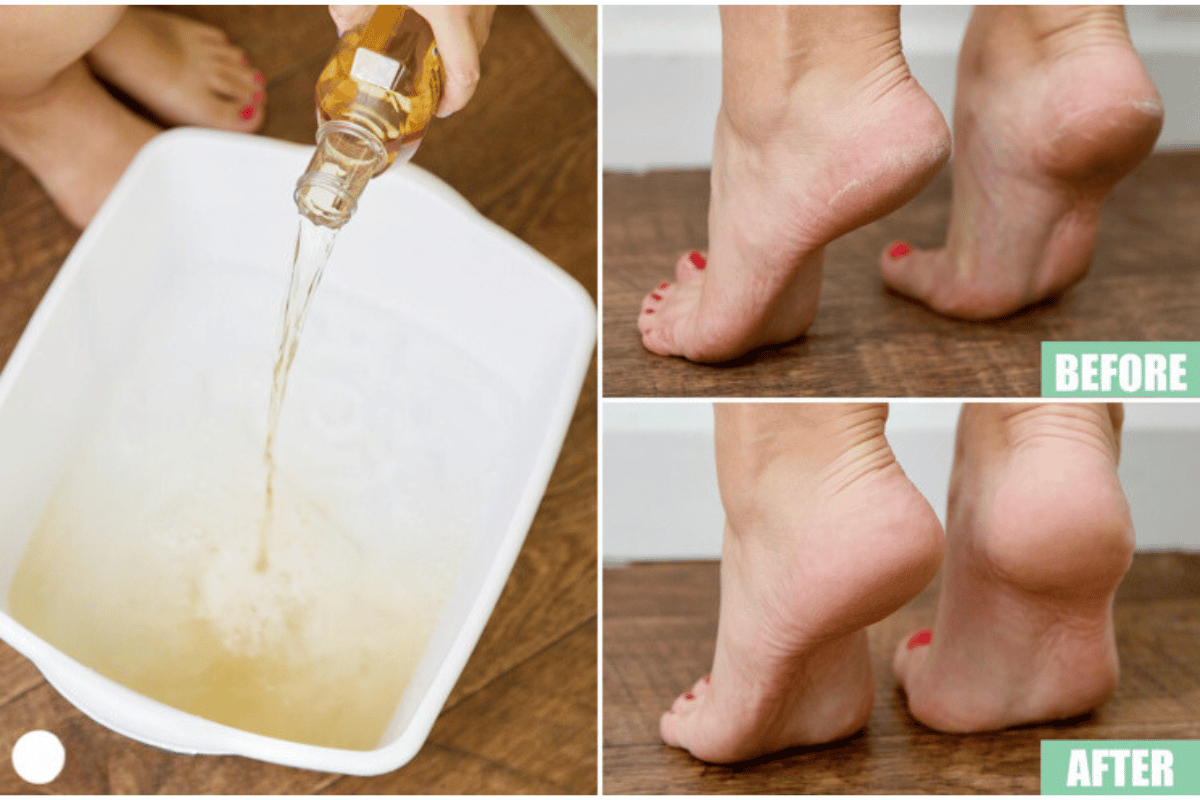
Although yellow or thick toenails are often dismissed as a cosmetic issue, they may signal an underlying infection or another health condition that should not be ignored. Paying attention to changes in nail appearance and seeking treatment early can prevent the problem from becoming more severe. With proper foot care, good hygiene, and timely medical advice when necessary, many nail conditions can be successfully treated. Small daily habits—such as keeping feet clean and dry, wearing well-fitting shoes, and allowing footwear to air out—can go a long way toward maintaining healthy nails and preventing future problems.