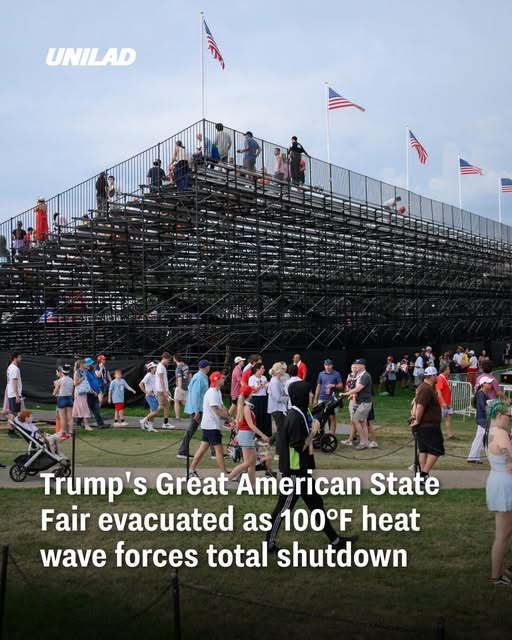
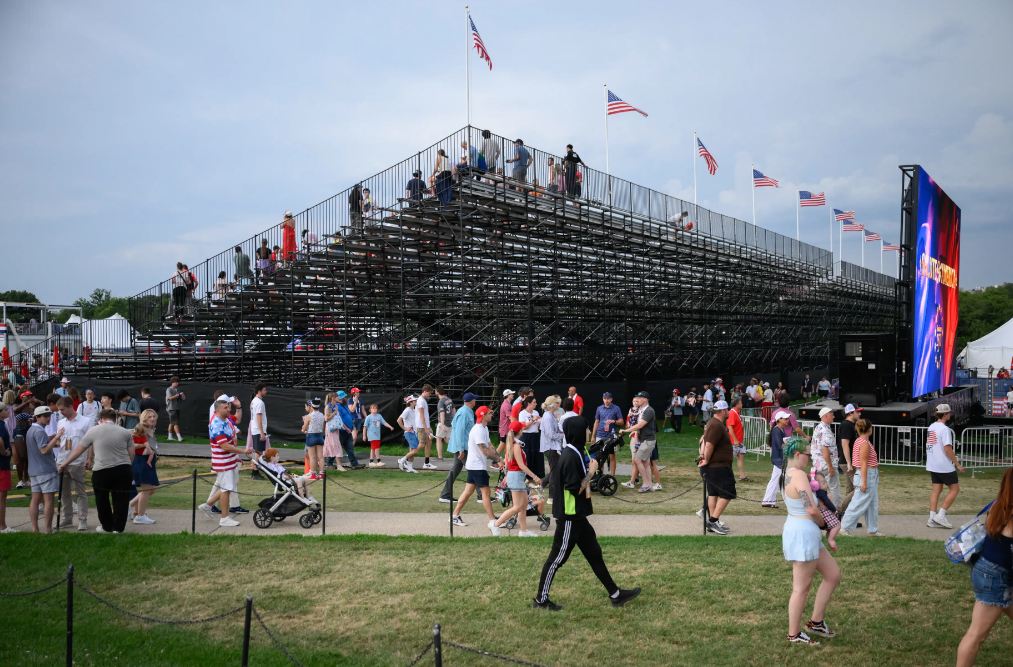
A major Fourth of July celebration in Washington, D.C., was temporarily brought to a halt after extreme heat created unsafe conditions for thousands of visitors. The Great American State Fair, held on the National Mall as part of the United States’ 250th anniversary celebrations, was forced to suspend daytime activities as temperatures climbed to around 100°F (38°C), while the heat index reached even higher levels. Organizers made the decision in coordination with local public safety officials after determining that the intense weather posed a significant health risk to guests, performers, vendors, volunteers, and staff. Visitors were instructed over loudspeakers to leave the fairgrounds until conditions improved.
Safety Becomes the Top Priority
The evacuation happened during one of the busiest holiday weekends of the year, with thousands expected to attend the patriotic event. Officials stressed that protecting public health had become the highest priority as the combination of extreme heat and humidity made spending long periods outdoors potentially dangerous. Emergency crews remained on site throughout the closure, while many visitors sought relief inside nearby museums and other air-conditioned buildings. Organizers later announced plans to reopen the fair later in the day once temperatures became less severe. To help visitors stay safe, additional water stations and cooling areas were prepared before activities resumed.
A Difficult Week for the Event
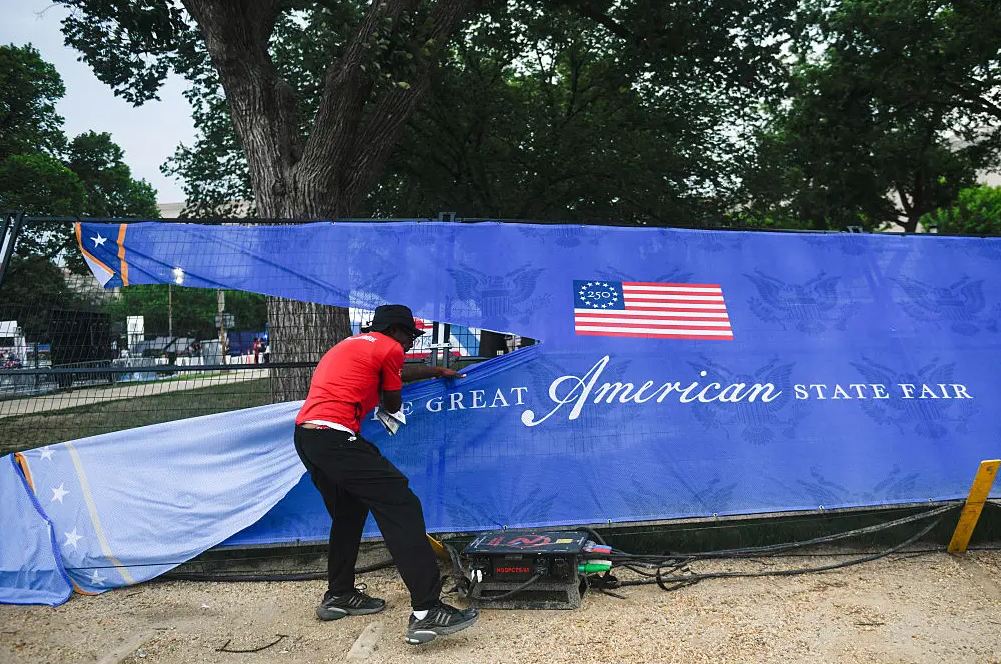
The temporary shutdown added to an already challenging week for the Great American State Fair. Since opening, the event has experienced several operational setbacks that attracted widespread attention. Earlier in the week, electrical problems disrupted sections of the venue, affecting food vendors and cooling systems during the ongoing heat wave. Some attractions also experienced technical issues, while changing weather conditions forced adjustments to parts of the entertainment schedule. Several performances had already been canceled or delayed because of unfavorable weather, creating frustration for attendees who had traveled to Washington to celebrate the nation’s historic milestone.
Heat Wave Impacts Multiple Celebrations
The extreme temperatures affected far more than just the state fair. Across the eastern United States, numerous Independence Day events were canceled, postponed, or modified because of dangerous weather conditions. Meteorologists warned that millions of Americans were under heat alerts as a powerful heat dome settled over much of the region. Officials repeatedly encouraged people to stay hydrated, avoid prolonged exposure to the sun, and recognize the symptoms of heat-related illnesses such as dizziness, exhaustion, and heat stroke. Several cities altered their holiday plans, with parades, concerts, and outdoor gatherings either shortened or canceled entirely to reduce health risks.
Evening Festivities Continue
Although daytime operations were suspended, organizers remained committed to continuing the evening celebration once weather conditions improved. The fair reopened later in the afternoon, allowing preparations for scheduled nighttime events, including musical performances, patriotic displays, and fireworks. Visitors returning to the venue were encouraged to drink plenty of water, wear lightweight clothing, and take frequent breaks in shaded or cooled areas. Event staff also monitored conditions throughout the evening in case additional safety measures became necessary.
Extreme Weather Creates New Challenges|The temporary evacuation serves as another reminder of how increasingly severe weather can disrupt even the largest public gatherings. Major outdoor events now require extensive emergency planning to respond quickly when conditions become hazardous. While many attendees were disappointed by the interruption, organizers emphasized that public safety must always come before entertainment. With millions celebrating Independence Day across the country, officials continued urging everyone attending outdoor events to remain alert to weather warnings and take precautions to stay safe during periods of extreme heat.