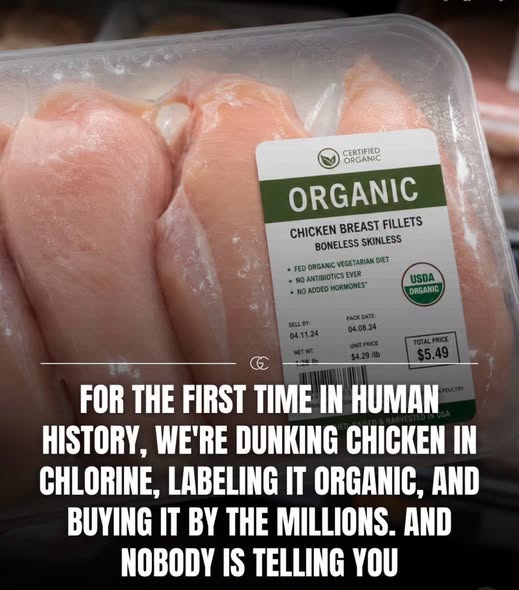
For many shoppers, organic chicken has become the preferred choice in grocery stores. The label often creates an image of healthier food, better treatment of animals, and superior quality. As a result, consumers are frequently willing to pay significantly more for products carrying the organic certification. However, the reality behind the label is often more complex than many people realize.
The Growing Popularity of Organic Foods
Over the past two decades, demand for organic food has increased dramatically. Consumers have become more interested in understanding where their food comes from and how it is produced. Concerns about pesticides, antibiotics, animal welfare, and environmental sustainability have encouraged many people to seek alternatives to conventionally produced food. Organic chicken has benefited from this trend. Supermarkets now dedicate entire sections to organic poultry products, often marketing them as healthier and more ethical choices. While organic standards do require producers to follow specific rules, the label does not always guarantee what consumers imagine.

Understanding What “Organic” Actually Means
One common misconception is that organic chickens spend most of their lives freely roaming large green pastures. In reality, organic certification focuses primarily on how the birds are raised and what they are fed. Organic chickens must receive organic feed that is produced without most synthetic pesticides or genetically modified ingredients. They are also generally prohibited from receiving routine antibiotics and must have access to outdoor areas. However, the size, quality, and frequency of outdoor access can vary significantly between farms. Some birds may spend limited time outdoors despite meeting certification requirements. This means that the idyllic image often associated with organic farming may not always reflect everyday conditions.
Is Organic Chicken More Nutritious?
Many consumers purchase organic chicken believing it contains substantially more nutrients than conventional poultry. Research has shown that nutritional differences can exist, but they are often relatively small. Protein content is generally similar between organic and conventional chicken. Some studies suggest that organic poultry may contain slightly different fat profiles, particularly if birds have greater access to outdoor environments. However, the overall nutritional advantages are not always significant enough to dramatically change a person’s diet. Experts often emphasize that factors such as overall eating habits, cooking methods, and food variety have a much greater impact on health than whether chicken is organic or conventional.
The Antibiotic Question
One of the strongest arguments in favor of organic chicken involves antibiotic use. Organic standards prohibit the routine use of antibiotics for growth promotion and preventive purposes. This appeals to consumers who are concerned about antibiotic resistance, a growing global health issue. While conventional poultry producers have also reduced antibiotic use in many regions, organic certification provides additional reassurance for those who prioritize avoiding such treatments. Nevertheless, it is important to understand that food safety depends on proper handling and cooking practices regardless of whether the chicken is organic.
Animal Welfare Considerations
Animal welfare is another major reason people choose organic products. Organic standards generally require more space and opportunities for natural behaviors compared with conventional systems. However, welfare conditions can still vary from farm to farm. Some smaller local farms may exceed organic requirements, while others may simply meet minimum standards. For consumers concerned about animal welfare, researching specific farms and producers can sometimes provide more meaningful information than relying solely on a label.
Looking Beyond the Packaging
Food labels can be helpful, but they rarely tell the entire story. Organic certification represents one set of standards, not a guarantee of perfection. Factors such as farming practices, animal care, environmental impact, and product quality can differ widely among producers. Consumers who want a deeper understanding of their food may benefit from learning more about where products originate, how farms operate, and what standards individual producers follow.

Making an Informed Choice
Organic chicken remains a valuable option for many shoppers, particularly those who prioritize organic feed, reduced antibiotic use, and certain animal welfare standards. However, the label alone should not be viewed as a complete measure of quality, nutrition, or sustainability. The best purchasing decisions are often made when consumers look beyond marketing claims and take the time to understand what certifications actually mean. By focusing on reliable information rather than assumptions, shoppers can choose products that align with their personal values, budget, and dietary preferences. Ultimately, organic chicken is neither a miracle food nor a marketing myth. It is simply one option among many, and understanding the details behind the label can help consumers make more confident and informed decisions at the grocery store.