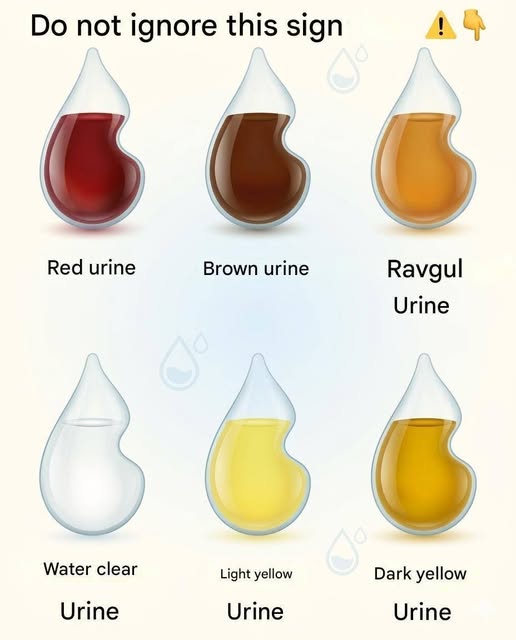
Many people rarely think about the color of their urine unless something unusual catches their attention. However, urine color can provide useful clues about hydration levels, dietary habits, medications, and, in some cases, underlying health conditions.
While occasional color changes are often harmless, persistent or dramatic changes may warrant closer attention. Understanding what different colors can mean can help individuals recognize when a simple lifestyle adjustment is needed and when medical advice may be appropriate.
Why Urine Changes Color
Urine gets its typical yellow appearance from a pigment called urochrome, which is produced when the body breaks down old red blood cells. The concentration of this pigment can vary depending on how much fluid a person drinks. When the body is well hydrated, urine tends to appear lighter in color. When fluid intake is low, urine becomes more concentrated and darker. In addition to hydration, food, supplements, medications, and certain medical conditions can also influence urine color.

Clear or Nearly Transparent Urine
Urine that appears completely clear often indicates very high fluid intake. While staying hydrated is important, constantly drinking excessive amounts of water may not always be necessary. In most cases, clear urine is not a cause for concern. However, if it occurs alongside excessive thirst or unusually frequent urination, it may be worth discussing with a healthcare professional.
Pale Yellow: Often Considered Ideal
Light yellow urine is generally viewed as a sign of good hydration and healthy kidney function. This shade suggests that the body is receiving enough fluids without being overhydrated. Many health professionals consider pale yellow urine to be a reasonable indicator that fluid intake is meeting the body’s needs.
Dark Yellow or Amber
Darker shades of yellow or amber commonly indicate mild dehydration. This often occurs after exercise, during hot weather, or when fluid intake has been lower than usual. Increasing water consumption often restores urine to a lighter color within a short period. If dark urine persists despite adequate hydration, other factors may be involved.
Orange Urine
Orange-colored urine can sometimes result from dehydration, but it may also be linked to certain medications, vitamin supplements, or foods containing strong pigments. In some cases, orange urine may be associated with liver or bile duct conditions, particularly if it occurs together with symptoms such as yellowing of the skin or eyes. Persistent orange urine should be evaluated by a healthcare provider.
Pink or Red Urine
Seeing pink or red urine can be alarming. Sometimes the cause is harmless and related to foods such as beets, blackberries, or rhubarb. However, red urine may also indicate the presence of blood. Potential causes include urinary tract infections, kidney stones, kidney disease, or other medical conditions. Because blood in the urine can signal a significant health issue, medical evaluation is recommended whenever the cause is unclear.
Brown Urine
Brown urine may occur after consuming certain foods or medications, but it can also be associated with dehydration or medical conditions affecting the liver and kidneys. Intense physical activity can occasionally contribute to brown urine due to muscle breakdown. Persistent brown discoloration should be assessed by a healthcare professional.
Blue or Green Urine
Blue or green urine is relatively uncommon but can occur as a result of certain medications, food dyes, or medical tests. In rare situations, these unusual colors may be linked to specific metabolic conditions or infections. While often harmless, unexplained blue or green urine should be discussed with a healthcare provider if it continues.
When to Seek Medical Advice
Occasional changes in urine color are usually harmless and often linked to hydration, food choices, or supplements. However, medical attention may be appropriate if color changes are accompanied by:
Pain during urination.
Fever.
Persistent abdominal or back pain.
Blood in the urine.
Yellowing of the skin or eyes.
Ongoing changes that do not improve with hydration.
These symptoms may indicate an underlying condition that requires evaluation.

The Bottom Line
Urine color can serve as a simple indicator of what is happening inside the body. In many cases, changes reflect hydration levels or recent dietary choices. However, persistent or unusual colors can sometimes signal a medical issue that deserves attention. Paying attention to these changes can provide valuable insight into overall health. While urine color alone cannot diagnose a condition, it can act as an early clue that prompts healthier habits or timely medical advice when necessary.