
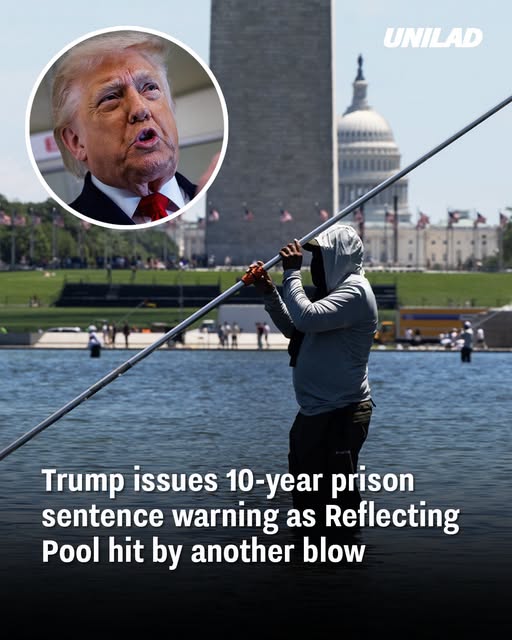
A man has received a stark warning from authorities after allegedly entering the White House reflecting pool, an incident that quickly attracted widespread attention online. The unusual event occurred near one of the most heavily secured buildings in the United States and has raised questions about security procedures and the legal consequences of trespassing on federal property.
The incident unfolded in Washington, D.C., where visitors and tourists witnessed a man reportedly entering the reflecting pool located on the White House grounds. While the act may have appeared harmless to some onlookers, officials made it clear that unauthorized access to restricted federal property is treated as a serious matter.
What Happened?
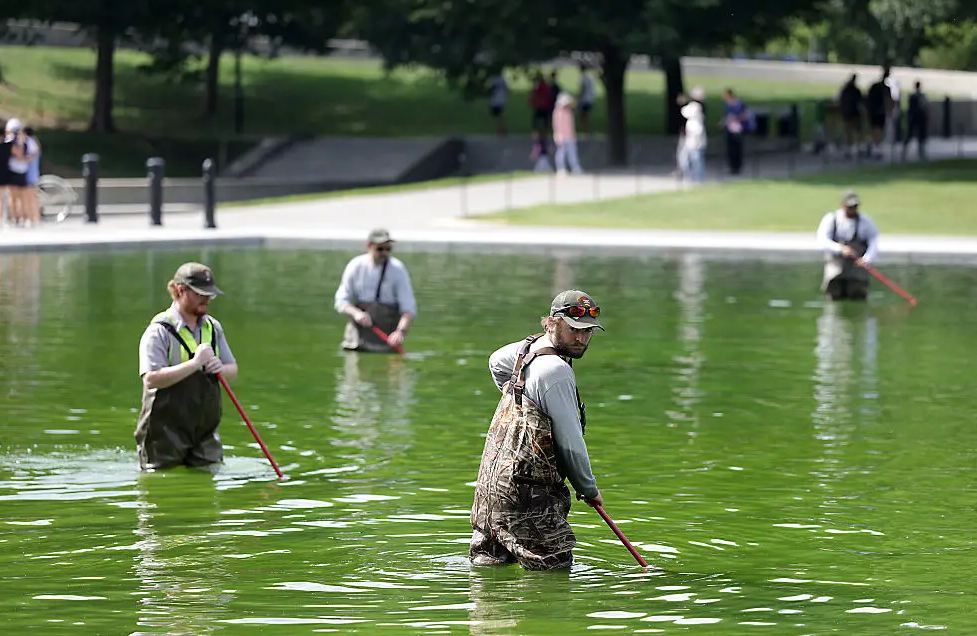
According to reports, the individual was seen wading into the White House reflecting pool before being approached by law enforcement officers. Members of the U.S. Secret Service responded quickly and detained the man without reports of violence or injury. Videos and photographs of the incident soon began circulating across social media platforms, drawing reactions ranging from amusement to concern. Many viewers questioned why someone would willingly enter a restricted area protected by one of the most sophisticated security networks in the world. Authorities have not indicated that the incident was linked to any broader security threat. Instead, it appears to have been an isolated act involving a single individual.
Why the Incident Is Being Taken Seriously
Although entering a shallow pool may seem minor, security experts note that any unauthorized breach of White House grounds is automatically treated as a potential threat until proven otherwise. The White House serves as both the official residence and workplace of the President of the United States. Because of its symbolic and political significance, the property is protected by strict security measures enforced by the Secret Service. Even relatively small violations can trigger immediate responses from security personnel. Officials are trained to react quickly because determining a person’s intentions often takes time, and any delay could pose risks. As a result, individuals who enter restricted areas without permission frequently face criminal charges regardless of whether they intended harm.
Potential Legal Consequences
Legal experts have noted that trespassing on federal property can carry significant penalties. Depending on the circumstances, offenders may face fines, probation, or even prison sentences. Authorities reportedly warned that the individual involved in the reflecting pool incident could face serious legal repercussions if convicted. The exact penalties would depend on the charges filed and the outcome of any court proceedings. Federal prosecutors often evaluate factors such as intent, prior criminal history, and the level of disruption caused when determining how aggressively to pursue a case. While not every trespassing incident results in lengthy jail time, officials emphasized that entering restricted government property should never be viewed as a harmless prank.
Public Reaction
The incident sparked a wave of discussion online. Some social media users joked about the unusual nature of the event, while others pointed out the significant risks involved in approaching secured government facilities. Many commenters expressed surprise that someone would knowingly enter an area protected by armed security personnel and extensive surveillance systems. Others viewed the response as an example of how seriously authorities treat any breach involving the White House, regardless of the individual’s apparent intentions. The mixed reactions highlighted the gap between public perceptions of harmless behavior and the realities of national security protocols.
Security Remains a Top Priority
The White House has long been one of the most closely monitored locations in the United States. Over the years, security measures have evolved in response to various incidents involving trespassers and attempted breaches. Modern surveillance technology, physical barriers, and highly trained security personnel work together to protect the property around the clock. Officials routinely remind visitors that areas surrounding the White House are subject to strict regulations and that unauthorized entry can result in immediate detention and criminal charges.
A Reminder About Federal Property
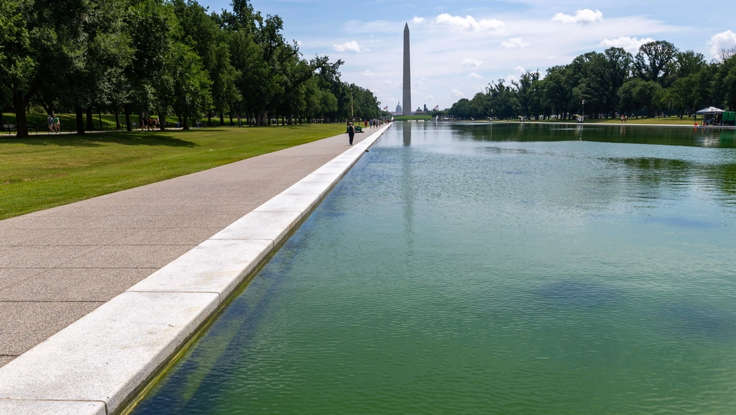
The reflecting pool incident serves as a reminder that actions which may appear minor can carry significant consequences when they occur on federal grounds. While the event generated headlines because of its unusual nature, authorities hope it also reinforces an important message: restricted government property is protected by strict laws, and violations can lead to serious legal trouble. As investigations continue and any legal proceedings move forward, the case is likely to remain another example of how seriously security breaches are treated at one of the world’s most recognizable buildings.