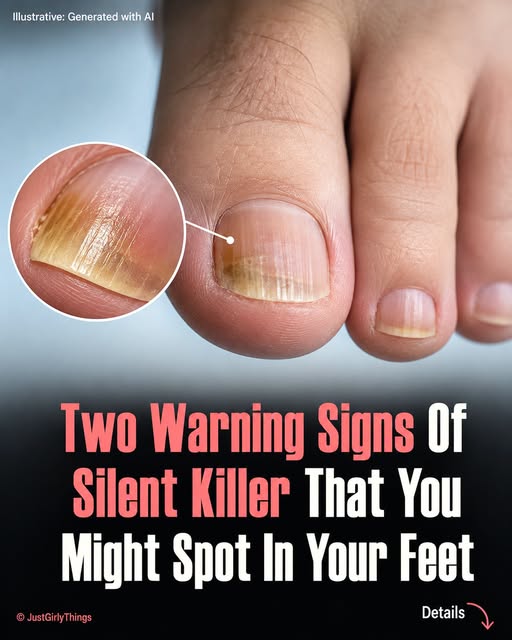
Our feet do an incredible amount of work every day, carrying us through thousands of steps while supporting the weight of our entire bodies. Yet despite their importance, foot health is often overlooked until pain or serious complications develop. Medical professionals frequently warn about two particularly concerning conditions that can quietly damage the feet over time. Because symptoms often appear gradually, many people fail to recognize the warning signs until the problem has progressed.
Understanding these conditions and knowing what to watch for can help protect mobility, comfort, and overall health.
Why Foot Health Matters More Than Many Realize
The feet contain dozens of bones, joints, muscles, tendons, and blood vessels that work together to support movement. Any disruption to this complex system can affect balance, walking ability, and quality of life. Foot problems are not always isolated issues. In many cases, they can signal underlying health concerns involving circulation, nerve function, or chronic disease. This is why experts encourage people to pay attention to even minor changes in the appearance or sensation of their feet.
Peripheral Artery Disease: A Hidden Threat
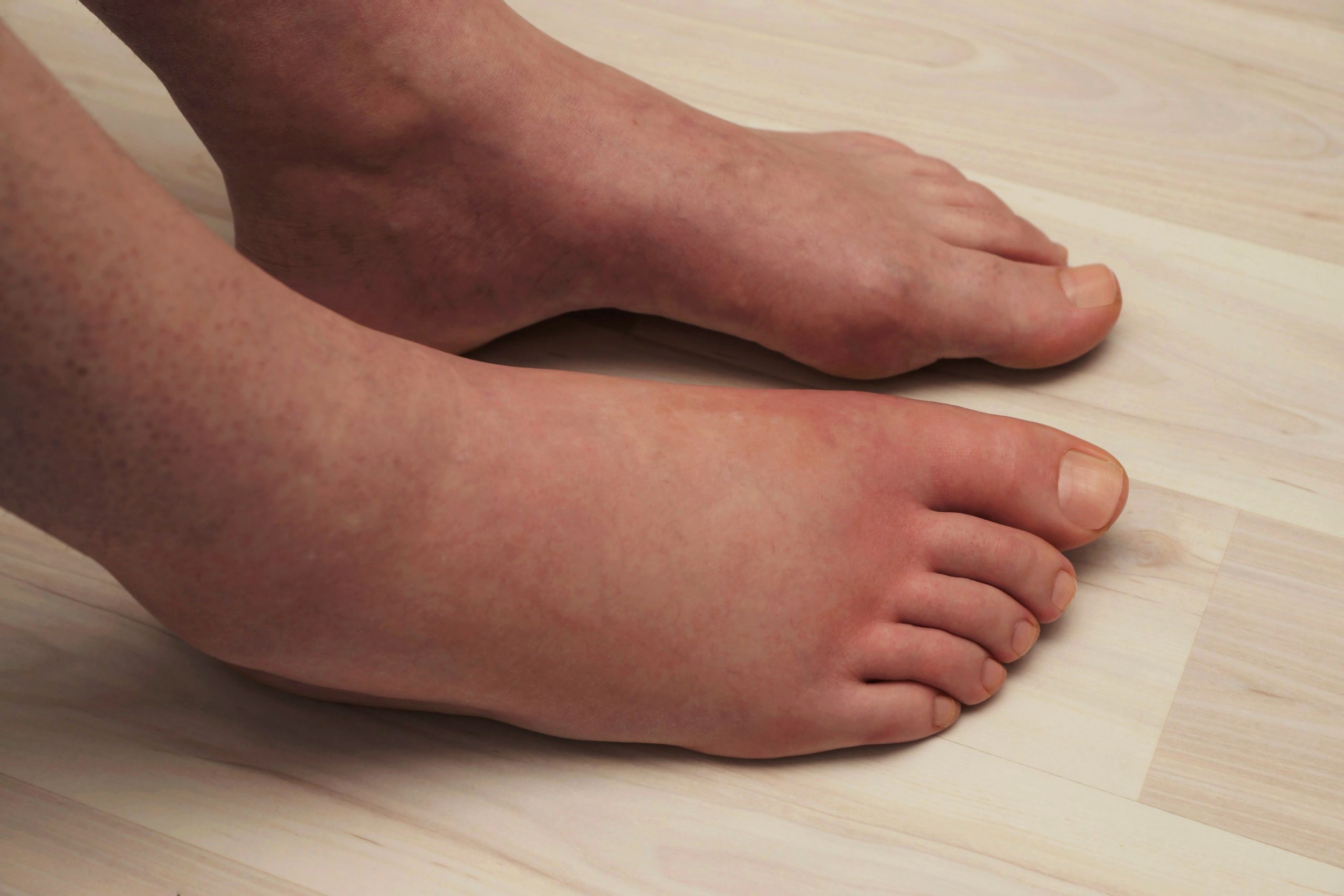
One of the most serious conditions affecting foot health is Peripheral Artery Disease (PAD). This circulatory disorder occurs when arteries become narrowed, reducing blood flow to the legs and feet. Because tissues rely on oxygen-rich blood to stay healthy, reduced circulation can lead to a variety of symptoms that may worsen over time.
Common warning signs include:
Cold feet or lower legs
Cramping during walking or exercise
Slow-healing cuts or sores
Changes in skin color
Weak or absent pulses in the feet
Pain that improves with rest
Many people dismiss these symptoms as normal signs of aging, but untreated circulation problems can eventually lead to severe complications. Early diagnosis is important because lifestyle changes and medical treatment can help improve blood flow and reduce the risk of more serious outcomes.
Diabetic Neuropathy: Damage You May Not Feel
The second major concern highlighted by health professionals is diabetic neuropathy, a form of nerve damage commonly associated with diabetes. High blood sugar levels over long periods can damage nerves throughout the body, particularly those in the feet and lower legs. One of the most dangerous aspects of diabetic neuropathy is that it can reduce sensation. As a result, individuals may not notice cuts, blisters, burns, or other injuries.
Symptoms may include:
Numbness or reduced feeling in the feet
Tingling sensations
Burning pain
Sharp or shooting discomfort
Increased sensitivity to touch
Muscle weakness
Because injuries may go unnoticed, minor wounds can develop into serious infections if left untreated.
The Importance of Early Detection
Health experts emphasize that both conditions often develop gradually. The slow progression can make it easy for people to ignore subtle symptoms or assume they are harmless. Regular foot inspections can help identify problems before they become severe. Looking for skin changes, swelling, wounds, discoloration, or unusual sensations can provide valuable clues about overall foot health. Individuals with diabetes, heart disease, high blood pressure, or a history of smoking should be especially vigilant, as they may face a higher risk of developing circulation or nerve-related complications.
Everyday Habits That Support Healthy Feet
While some risk factors cannot be controlled, several healthy habits may help protect foot health:
Maintain Good Blood Sugar Control
For people with diabetes, keeping blood glucose levels within recommended ranges can reduce the risk of nerve damage and related complications.
Stay Physically Active
Regular exercise supports healthy circulation and can improve blood flow throughout the body, including the feet.
Wear Proper Footwear
Comfortable shoes that fit correctly can help prevent blisters, pressure points, and injuries.
Check Your Feet Regularly
A quick daily inspection can help identify cuts, swelling, redness, or other unusual changes before they become serious.
Avoid Smoking
Smoking damages blood vessels and can significantly increase the risk of circulation-related problems.
When to Seek Medical Advice
Persistent foot pain, numbness, slow-healing wounds, or noticeable changes in color and temperature should not be ignored. These symptoms may indicate underlying issues that require professional evaluation. Early intervention often leads to better outcomes and can help prevent complications that may affect mobility and overall health.
Protecting Your Long-Term Mobility
Healthy feet play a vital role in maintaining independence and an active lifestyle. Conditions such as Peripheral Artery Disease and diabetic neuropathy can develop quietly, making awareness especially important. By paying attention to warning signs, practicing good foot care, and seeking medical advice when concerns arise, individuals can take meaningful steps toward protecting their mobility and well-being for years to come. Sometimes the body’s earliest clues appear in the feet. Recognizing those signals could make a significant difference in maintaining long-term health.