
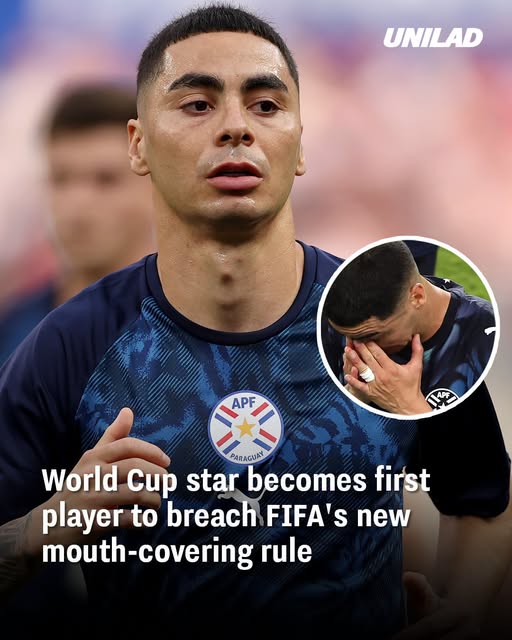
The 2026 FIFA World Cup produced a historic and controversial moment when Paraguay midfielder Miguel Almirón became the first player ever sent off for violating FIFA’s newly introduced mouth-covering rule.
The incident occurred during Paraguay’s Group D match against Turkey, creating widespread debate among fans, players, and football analysts around the world. While many supporters were unaware the rule even existed, officials wasted no time enforcing it on one of football’s biggest stages.
What Happened During the Match?
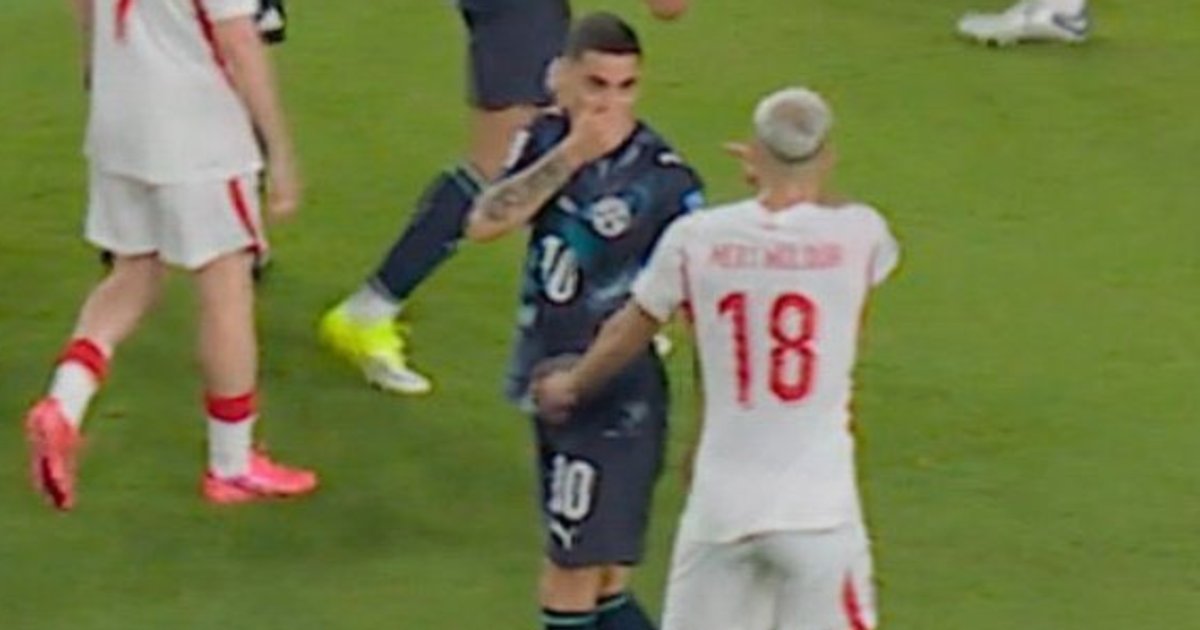
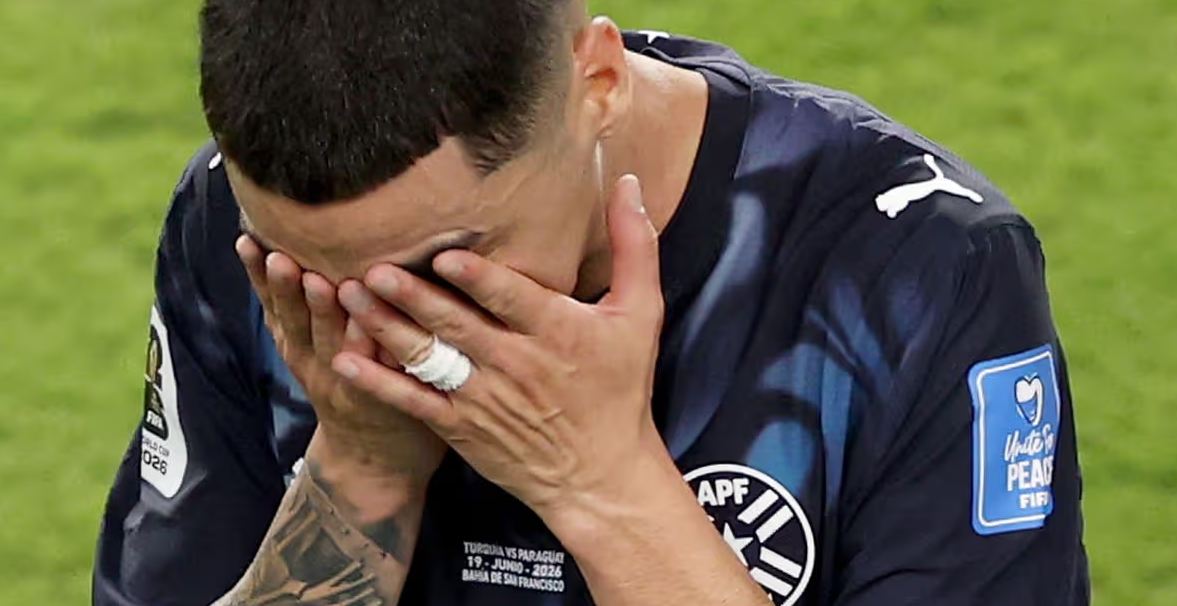
The controversial moment took place near the end of the first half after tensions flared following a foul in midfield. During a confrontation with Turkish defender Mert Müldür, Almirón appeared to cover his mouth while speaking. The Turkish player immediately alerted match officials, prompting a VAR review. Referee Iván Barton reviewed the footage and determined that Almirón had violated FIFA’s new disciplinary regulation. A straight red card was shown, leaving Paraguay with ten players for the remainder of the match. The midfielder appeared visibly surprised by the decision as he left the field.
The New FIFA Rule Explained
FIFA introduced the regulation earlier in 2026 as part of broader efforts to combat discriminatory, racist, homophobic, and abusive language on the pitch. Under the rule, players can face severe punishment if they intentionally cover their mouths during confrontational exchanges with opponents. Football authorities argue that covering the mouth can make it difficult to determine what was said through video review, potentially allowing offensive remarks to go undetected. The measure was introduced after a high-profile incident involving Benfica player Gianluca Prestianni and Vinícius Júnior during a Champions League match earlier this year. That controversy intensified calls for greater transparency in player interactions.
Why FIFA Supports the Change
According to FIFA officials, the goal is not to eliminate competitive banter or emotional exchanges but to prevent players from hiding potentially offensive comments. Supporters of the rule argue that players have no reason to conceal their mouths if they are engaging in normal conversation. They believe the regulation removes opportunities for abusive language while making investigations easier when complaints arise. FIFA President Gianni Infantino has publicly supported the initiative, stating that transparency is essential when dealing with accusations of discrimination and misconduct.
Fans React to the Decision
The red card quickly became one of the most talked-about moments of the tournament. Many fans expressed shock because they had not realized the rule was already being enforced at the World Cup. Others questioned whether a straight red card was too harsh for an offense that did not involve a physical challenge or obvious act of violence. At the same time, many supporters defended FIFA’s position, arguing that players had been informed of the regulation before the tournament and should understand the consequences of violating it. Online discussions showed a split between those who considered the punishment excessive and those who viewed it as an important step in combating abusive behavior.
Paraguay Still Secures Victory
Despite losing one of their key players, Paraguay managed to hold on for a crucial 1-0 victory. The win significantly improved Paraguay’s chances of advancing from Group D, while the defeat ended Turkey’s hopes of progressing to the knockout stages. Paraguay’s players celebrated a hard-fought result, although Almirón’s dismissal remained the major talking point after the final whistle.
A Historic World Cup First|
Whether fans agree with the rule or not, Almirón has secured an unwanted place in football history. His dismissal marked the first time FIFA’s mouth-covering regulation was enforced at a World Cup, setting a precedent for the rest of the tournament. The incident also serves as a clear warning that football’s governing bodies are prepared to apply the new standards strictly, even in the biggest matches on the international stage.