
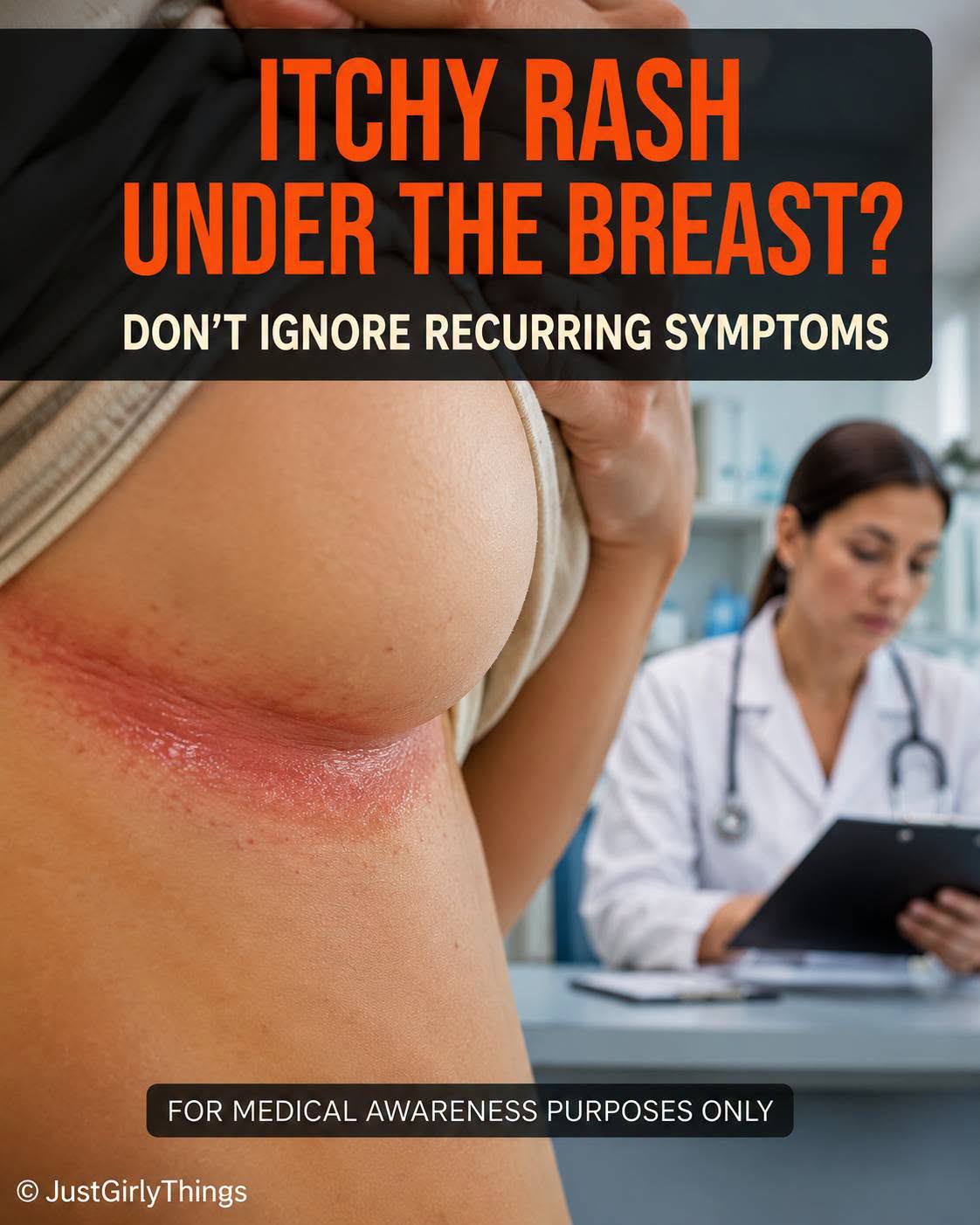
Underboob rashes are a common skin concern that can affect people of all ages and body types. The skin beneath the breasts is warm, often moist, and prone to friction, creating an environment where irritation can easily develop. While these rashes are usually not serious, they can be uncomfortable, itchy, and sometimes painful. Understanding the causes of underboob rashes can help you take steps to prevent them and find effective relief when they occur.
What Causes Underboob Rashes?
Several factors can contribute to the development of a rash beneath the breasts. One of the most common causes is friction. When skin repeatedly rubs against skin or clothing, irritation can occur, especially during physical activity or hot weather. Sweat also plays a significant role. Moisture trapped beneath the breasts creates a warm environment that can encourage skin irritation and the growth of yeast or bacteria.
Other potential causes include:
Excessive sweating
Tight or poorly fitting bras
Sensitive skin
Allergic reactions to detergents or fabrics
Fungal infections
Heat rash
Certain skin conditions such as eczema or psoriasis
Identifying the underlying cause is important because treatment may vary depending on the source of the irritation.
Common Symptoms
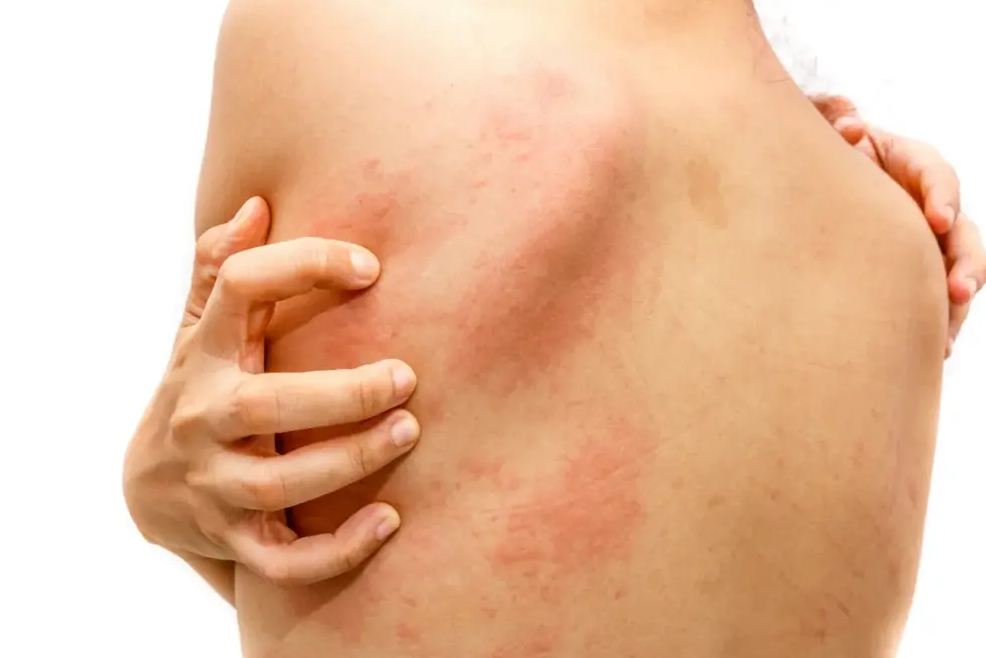
Underboob rashes can present in different ways depending on the cause. Common symptoms include:
Redness
Itching
Burning sensations
Tenderness
Small bumps or blisters
Peeling or flaky skin
Unpleasant odor in severe cases
If symptoms worsen, spread, or are accompanied by fever, medical evaluation may be necessary.
How to Prevent Underboob Rashes
Prevention often focuses on reducing moisture and friction in the affected area.
Keep the Area Dry
One of the most effective prevention strategies is keeping the skin beneath the breasts clean and dry. After bathing, gently pat the area dry rather than rubbing it. During hot weather, changing out of sweaty clothing promptly can also help.
Wear Breathable Clothing
Choose bras and clothing made from breathable fabrics such as cotton or moisture-wicking materials. Properly fitted bras can reduce friction and improve airflow.
Maintain Good Hygiene
Regular washing helps remove sweat, oils, and bacteria that may contribute to irritation. Mild, fragrance-free cleansers are often the best choice for sensitive skin.
Reduce Excess Moisture
Some people find that using absorbent breast liners or moisture-wicking fabrics helps keep the area comfortable throughout the day.
Natural Ways to Soothe Mild Irritation
For minor rashes caused by heat or friction, several gentle approaches may provide relief.
Cool Compresses
Applying a cool, damp cloth to the affected area can help reduce discomfort and calm irritated skin.
Aloe Vera
Aloe vera gel is known for its soothing properties and may help ease redness and irritation associated with minor skin problems.
Oatmeal-Based Products
Colloidal oatmeal products are commonly used to calm itchy or irritated skin and may provide temporary relief.
Coconut Oil
Some people use small amounts of coconut oil as a moisturizer to reduce dryness and friction. However, it should be used cautiously, as excessive moisture may worsen certain fungal conditions.

When Medical Treatment May Be Needed
Not all underboob rashes can be treated at home. If a rash is caused by a fungal or bacterial infection, prescription or over-the-counter medications may be necessary.
You should consider consulting a healthcare professional if:
The rash persists for more than a few weeks
Symptoms become severe
There is significant pain or swelling
Signs of infection develop
Home remedies provide no improvement
A healthcare provider can determine the exact cause and recommend appropriate treatment.
The Bottom Line
Underboob rashes are common and often result from a combination of moisture, friction, and heat. While they can be uncomfortable, many cases can be prevented through good hygiene, breathable clothing, and moisture control. For mild irritation, simple measures such as keeping the area dry, applying cool compresses, and avoiding irritating fabrics may help promote comfort. However, persistent or worsening symptoms should always be evaluated by a medical professional to ensure proper diagnosis and treatment. With the right care and preventive habits, most underboob rashes can be effectively managed, helping keep the skin healthy, comfortable, and irritation-free.