
Health and agricultural authorities are closely monitoring the spread of the New World screwworm, a dangerous parasitic fly whose larvae can infest and feed on the living tissue of warm-blooded animals. Recent detections in parts of Mexico have prompted increased concern among officials in the United States, particularly in southern border states such as Texas.
While no widespread outbreak has been reported within the United States, experts are taking preventative measures to stop the parasite from crossing the border and threatening livestock, wildlife, pets, and, in rare cases, humans.
What Is the New World Screwworm?
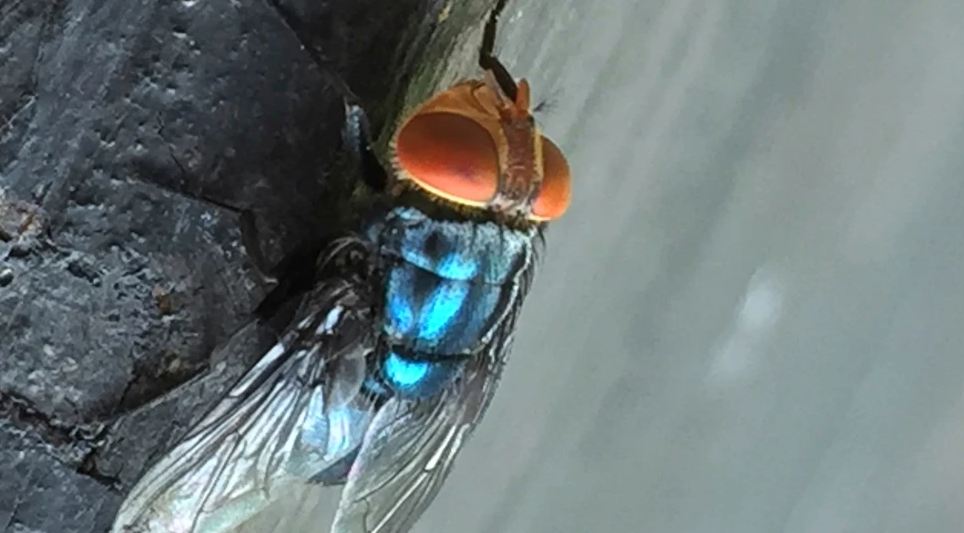
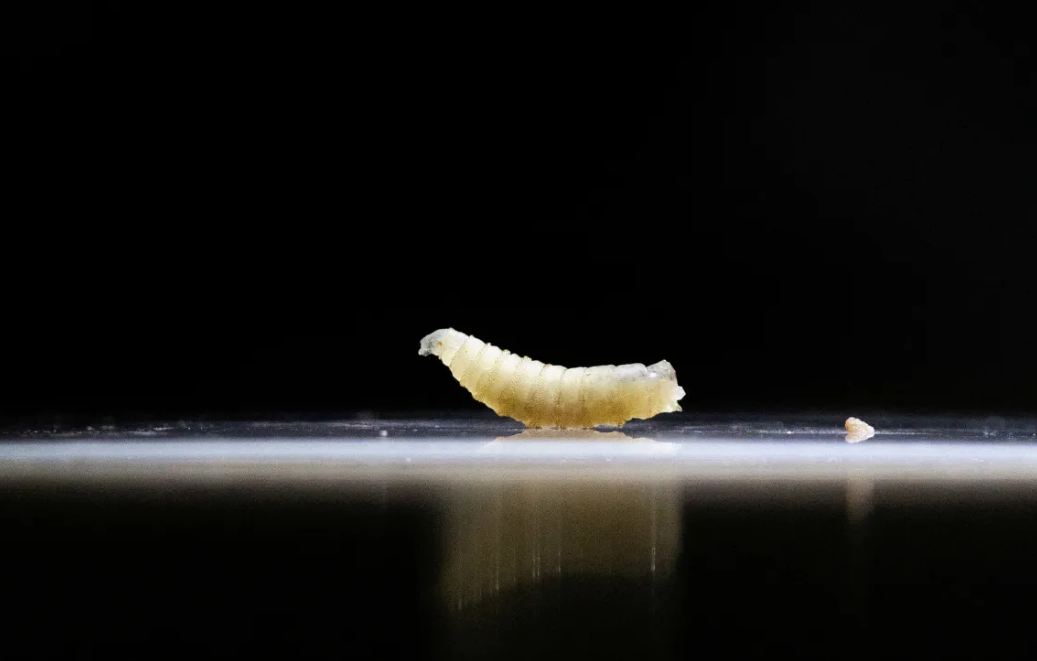
The New World screwworm is a parasitic fly whose larvae hatch from eggs laid in open wounds or mucous membranes of animals. Once the eggs hatch, the larvae burrow into living tissue and begin feeding, causing painful and potentially life-threatening injuries. Unlike many other fly larvae that feed on dead tissue, screwworm larvae attack healthy, living flesh. This unique behavior makes infestations particularly dangerous and difficult to treat if not detected early. The parasite was successfully eradicated from the United States decades ago through an extensive sterile-fly release program, which remains one of the most successful pest-control campaigns ever conducted.
Why Authorities Are Concerned
Recent detections of the parasite in Mexico have raised concerns that the insect could spread northward. Agricultural officials fear that if screwworm becomes established again in the United States, it could have devastating consequences for the livestock industry. Cattle, horses, sheep, goats, pigs, and wildlife are all vulnerable to infestation. A single untreated wound can attract adult flies, allowing larvae to develop and cause severe tissue damage. The economic impact could also be significant. Ranchers could face increased veterinary costs, livestock losses, and stricter animal movement regulations if the parasite were to spread.
Can Humans Be Affected?
Although human infections are uncommon, they can occur. Screwworm flies may lay eggs in open wounds, surgical sites, or other exposed areas of the body. Once the larvae hatch, they can invade surrounding tissue, causing a condition known as myiasis.
Symptoms may include:
Severe pain around a wound
Swelling and redness
Unusual discharge
A sensation of movement within the affected area
Visible larvae in severe cases
Prompt medical treatment is essential because the larvae continue feeding until they are removed.
Steps Being Taken to Prevent an Outbreak
Federal and state agencies are working closely with international partners to monitor the situation and prevent the parasite from reaching U.S. livestock populations. Surveillance efforts have been increased in vulnerable regions, and authorities are emphasizing early detection. Animal health officials are encouraging ranchers, veterinarians, and pet owners to inspect wounds carefully and report suspicious cases immediately. The sterile insect technique, which played a major role in eliminating screwworm from the United States in the past, remains an important tool in controlling any future spread.
How Livestock Owners Can Protect Animals
Experts recommend several preventative measures:
Inspect Animals Regularly
Animals should be checked frequently for cuts, wounds, or signs of infection, especially during warmer months when flies are most active.
Treat Wounds Quickly
Even minor injuries should be cleaned and treated promptly to reduce the risk of attracting flies.
Watch for Warning Signs
Unusual swelling, foul-smelling wounds, persistent irritation, or visible larvae require immediate veterinary attention.
Report Suspected Cases
Rapid reporting allows authorities to investigate and respond before infestations spread to additional animals.
Staying Vigilant
Although the New World screwworm is not currently widespread in the United States, its presence closer to the border has put officials on alert. The parasite’s ability to attack living tissue makes it a serious threat to livestock, wildlife, pets, and occasionally humans. For now, experts emphasize that awareness, surveillance, and quick action remain the most effective defenses. Early detection has historically been key to preventing outbreaks, and authorities are determined to keep this destructive parasite from regaining a foothold in North America.