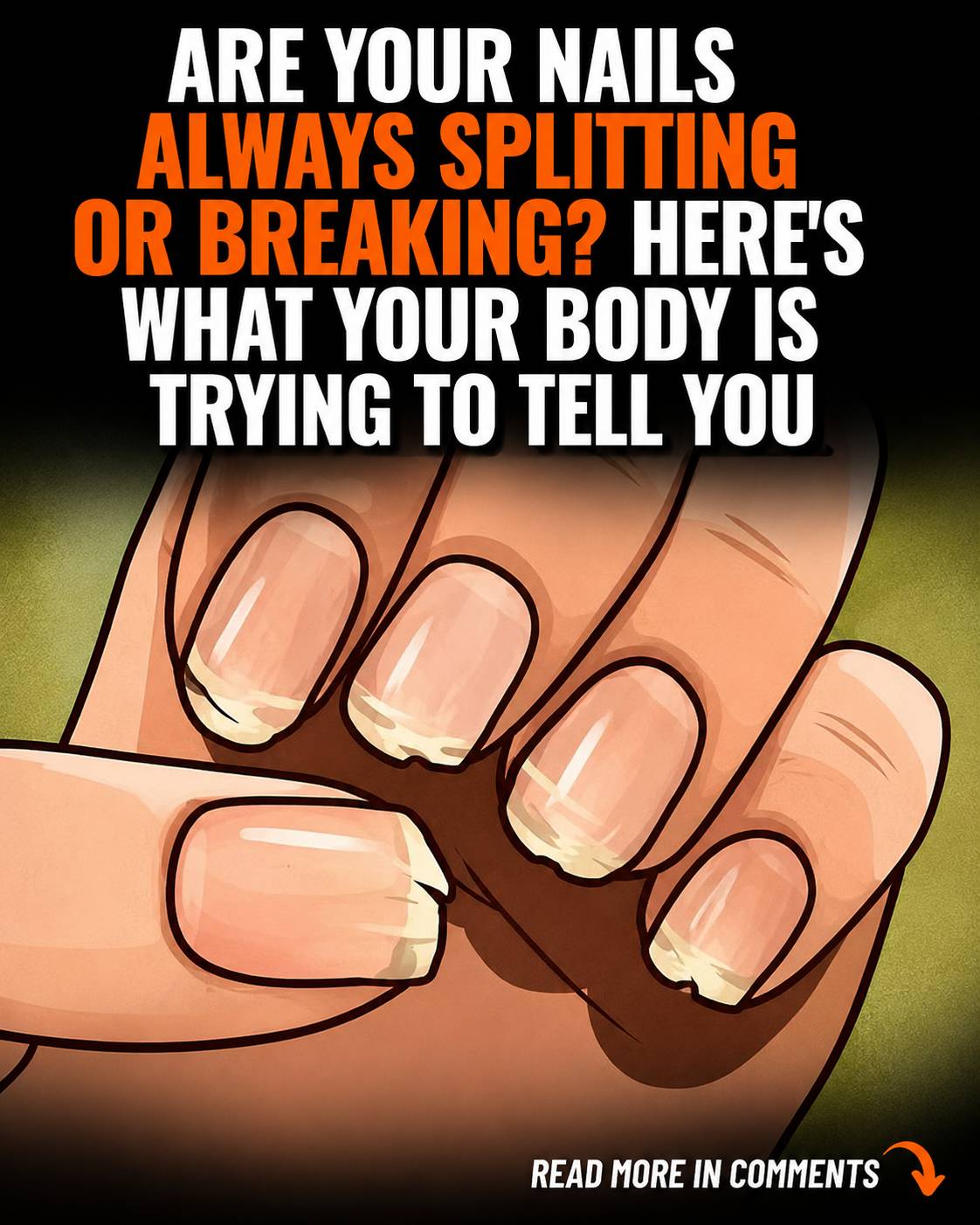
Most people think of fingernails as simply a cosmetic feature, but doctors often view them as valuable indicators of overall health. Changes in nail color, texture, shape, or growth patterns can sometimes provide early clues about nutritional deficiencies, circulation issues, infections, or other medical conditions.
While nail abnormalities do not always signal a serious problem, persistent or unusual changes are worth paying attention to. Here are seven important nail signs that may reveal more about your health than you realize.
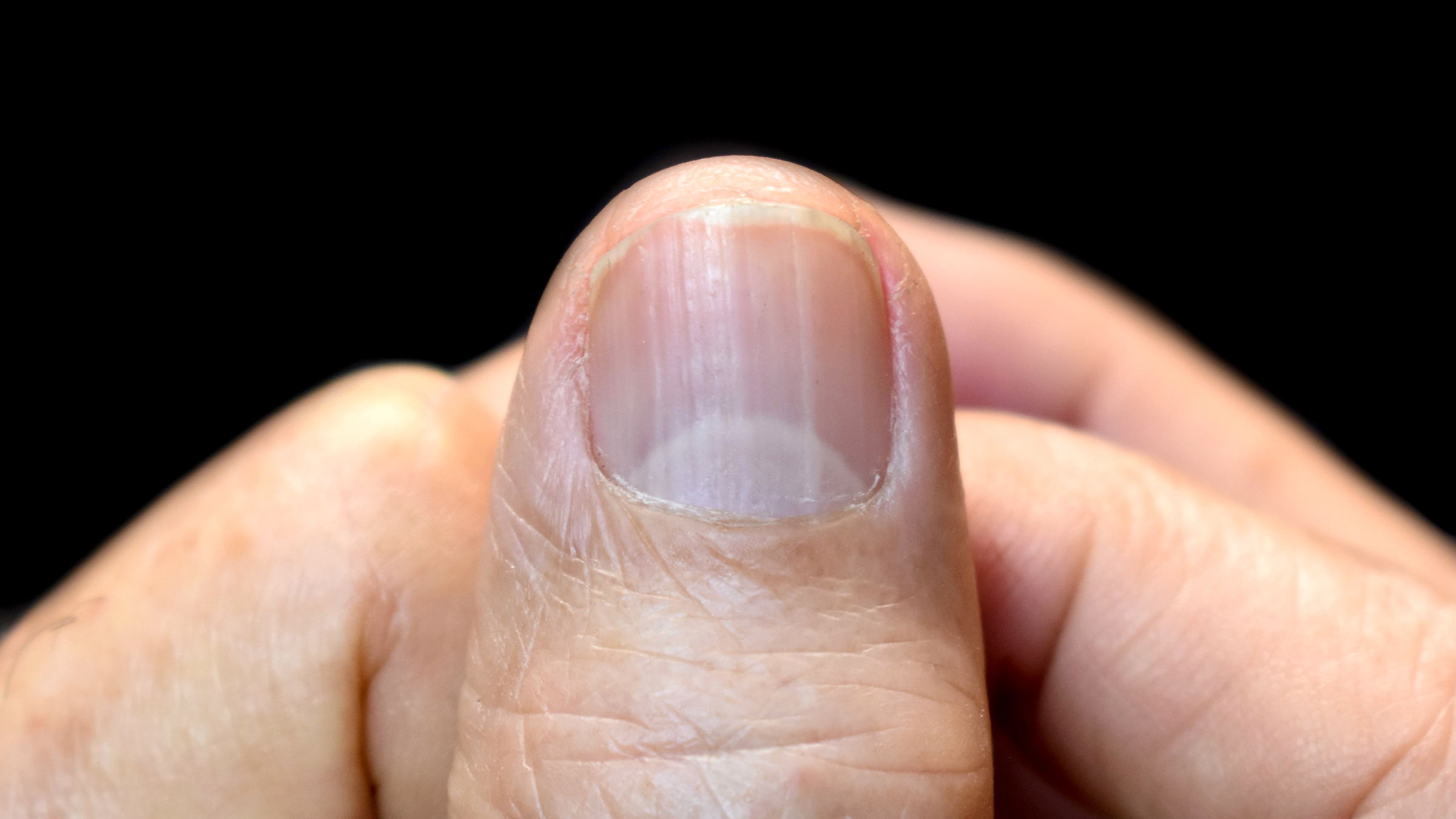
1. Vertical Ridges Are Usually a Normal Part of Aging
Many people notice thin vertical ridges running from the base of the nail to the tip as they get older. In most cases, these ridges are harmless and develop naturally with age. However, if ridges suddenly become more pronounced or are accompanied by changes in nail color, brittleness, or splitting, they may warrant further evaluation. Nutritional deficiencies and certain health conditions can occasionally contribute to more noticeable ridging.
2. Horizontal Grooves Can Signal Stress on the Body
Deep horizontal lines crossing the nail, often called Beau’s lines, can appear after the body experiences significant physical stress. These grooves may develop following severe illness, high fever, major surgery, or other events that temporarily disrupt nail growth. Because nails grow slowly, the location of the groove can sometimes help estimate when the stressful event occurred.
3. Spoon-Shaped Nails May Indicate Iron Deficiency
When nails become thin and curve upward like a spoon, the condition is known as koilonychia. This nail change is commonly associated with iron deficiency and anemia. People experiencing fatigue, weakness, dizziness, or pale skin alongside spoon-shaped nails may benefit from discussing iron levels with a healthcare professional.
4. Yellow Nails Can Have Several Causes
Yellow discoloration is one of the most noticeable nail changes. Sometimes it results from external factors such as nail polish staining or smoking. In other cases, yellow nails may be linked to fungal infections, chronic respiratory conditions, or certain disorders affecting the lymphatic system. If the discoloration persists despite proper nail care, a medical evaluation may be helpful.
5. White Spots Are Often Harmless
A common belief is that white spots on nails indicate a calcium deficiency. In reality, these marks are usually caused by minor injuries to the nail matrix, often occurring weeks before the spots become visible. Most white spots grow out naturally as the nail continues to grow and are generally not a cause for concern.
6. Clubbing Can Be Associated With Underlying Conditions
Nail clubbing occurs when the fingertips enlarge and the nails curve downward around the ends of the fingers. Although relatively uncommon, clubbing can sometimes be associated with long-term heart or lung conditions that affect oxygen levels in the blood. Because it develops gradually, many people may not notice the change until it becomes pronounced.
7. Brittle Nails May Reflect More Than Frequent Hand Washing
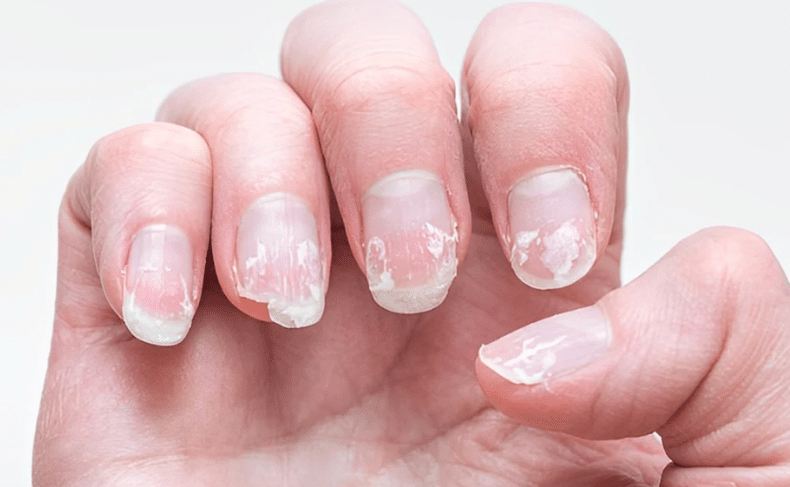
Dry, brittle nails that crack, peel, or split easily are often linked to repeated exposure to water, cleaning products, or harsh chemicals. However, persistent brittleness can also be associated with nutritional deficiencies, thyroid disorders, or other health concerns. If nail weakness continues despite moisturizing and protective care, it may be worth seeking medical advice.
When Should You See a Doctor?
Not every nail change signals a serious health problem. In fact, many variations are completely normal and develop naturally with age or everyday wear and tear.
However, it is a good idea to consult a healthcare professional if you notice:
Sudden changes in nail color
Persistent thickening or deformity
Significant separation of the nail from the nail bed
Unexplained dark streaks
Pain, swelling, or signs of infection
Nail changes accompanied by other symptoms such as fatigue, weight loss, or breathing difficulties
Your Nails Can Offer Valuable Insights
Doctors often examine a patient’s hands and nails because they can provide useful clues about overall health. While nail changes alone rarely provide a diagnosis, they can sometimes point toward issues that deserve further attention. Paying attention to unusual changes in your nails and discussing persistent concerns with a healthcare professional can help ensure that potential health problems are identified and addressed early. Your fingernails may seem like a small part of the body, but they can occasionally reveal important information about what is happening beneath the surface.