
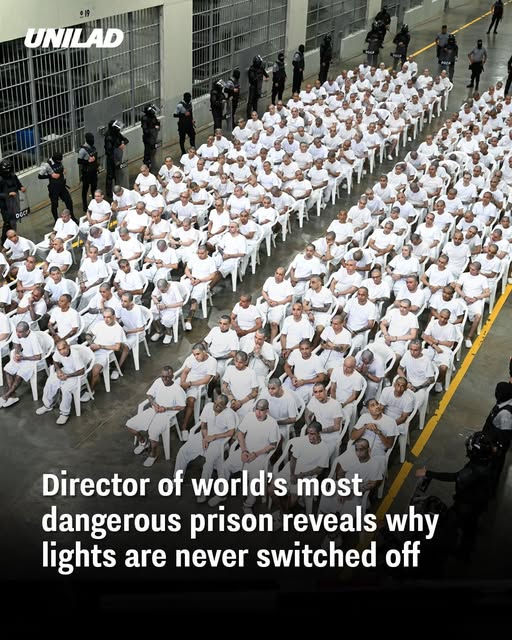
The Terrorism Confinement Center, widely known as CECOT, has become one of the most talked-about prisons in the world. Located in El Salvador, the massive facility was built as part of President Nayib Bukele’s crackdown on gang violence and organized crime. The prison has drawn worldwide attention because of its extreme security measures and harsh living conditions.
CECOT is considered one of the largest maximum-security prisons ever constructed. The facility reportedly has space for up to 40,000 inmates and mainly houses alleged gang members connected to violent organizations such as MS-13 and Barrio 18.
Why The Lights Are Never Switched Off
One detail about the prison has shocked people across the internet: the lights inside the prison are never turned off. According to prison director Belarmino García, the 24-hour lighting system is part of the prison’s strict surveillance policy. During a recent documentary, García explained that guards must constantly monitor inmates and maintain complete control at all times. He reportedly said the lighting system exists so authorities can always see what prisoners are doing. The constant lighting has become one of the prison’s most controversial features. Critics argue that permanent exposure to artificial light can affect sleep, mental health, and overall well-being. Human rights organizations have repeatedly raised concerns about the treatment of inmates inside the facility.
Life Inside The Prison
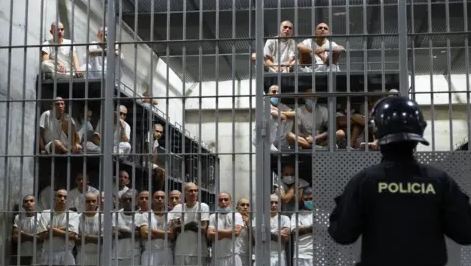
Reports from journalists and documentaries describe extremely strict daily routines inside CECOT. Prisoners spend around 23 and a half hours each day inside overcrowded cells. The cells contain stacked metal bunks with no mattresses, pillows, or blankets. Inmates are reportedly given only basic meals, often consisting of rice and beans served twice daily. Utensils are not provided because authorities fear they could be turned into weapons. Prisoners are also forbidden from having televisions, newspapers, or personal belongings inside their cells. The only item many prisoners are allowed to keep is a Bible. During limited exercise periods, inmates perform group calisthenics while heavily guarded by armed officers.
Solitary Confinement And Punishment
One of the most disturbing parts of the prison system involves punishment cells used for inmates who break rules or create problems. These isolation cells have been described as tiny concrete rooms with little or no light and minimal ventilation. Television presenter Richard Madeley visited the prison during a documentary and described the isolation unit as completely silent and extremely uncomfortable. Prisoners can reportedly spend up to 30 days inside these punishment areas. Human rights groups and former detainees have also claimed that abuse, beatings, and harsh treatment occur inside the prison. Some organizations accuse the prison system of violating international human rights standards.
Supporters Say The Strategy Works
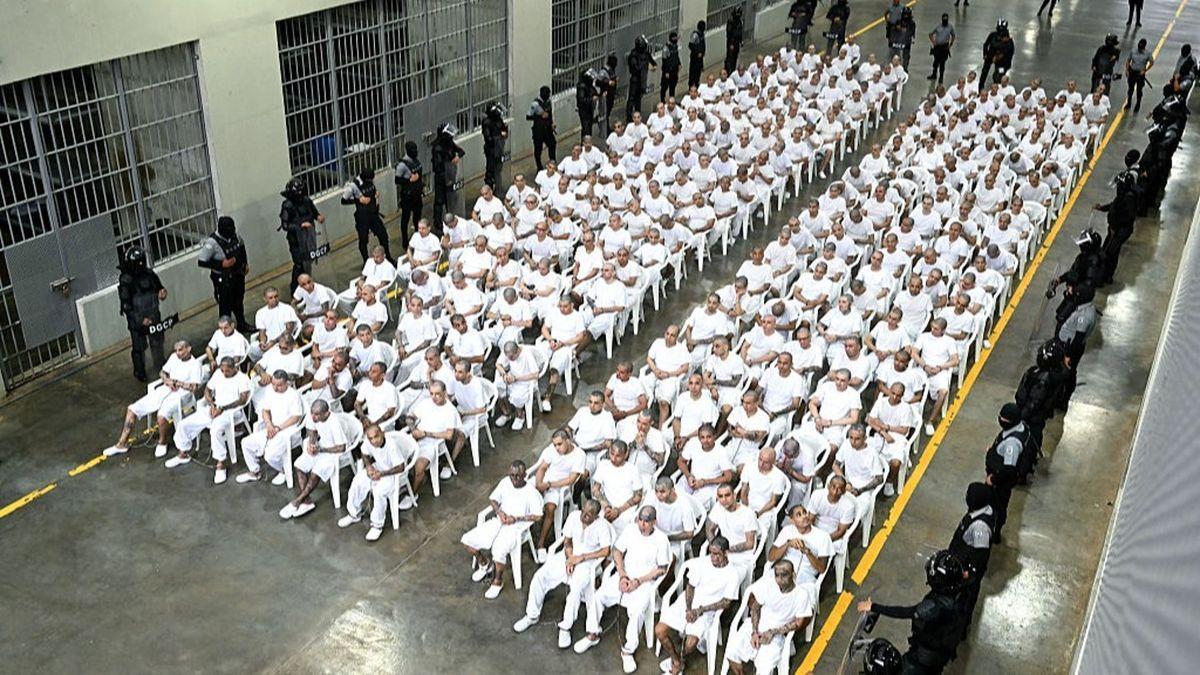
Despite criticism, many supporters of President Bukele believe the prison crackdown has dramatically reduced violence in El Salvador. The country was once considered one of the most dangerous places in the world because of gang-related murders and extortion. Supporters argue that strict security measures have helped restore safety to neighborhoods that were previously controlled by gangs. Images and videos from the prison are frequently shared online as examples of the government’s tough stance on crime. Still, the prison continues to divide opinion globally. While some view CECOT as an effective solution to gang violence, others see it as a symbol of extreme punishment and state control. The debate surrounding the prison and its controversial conditions is unlikely to disappear anytime soon.