
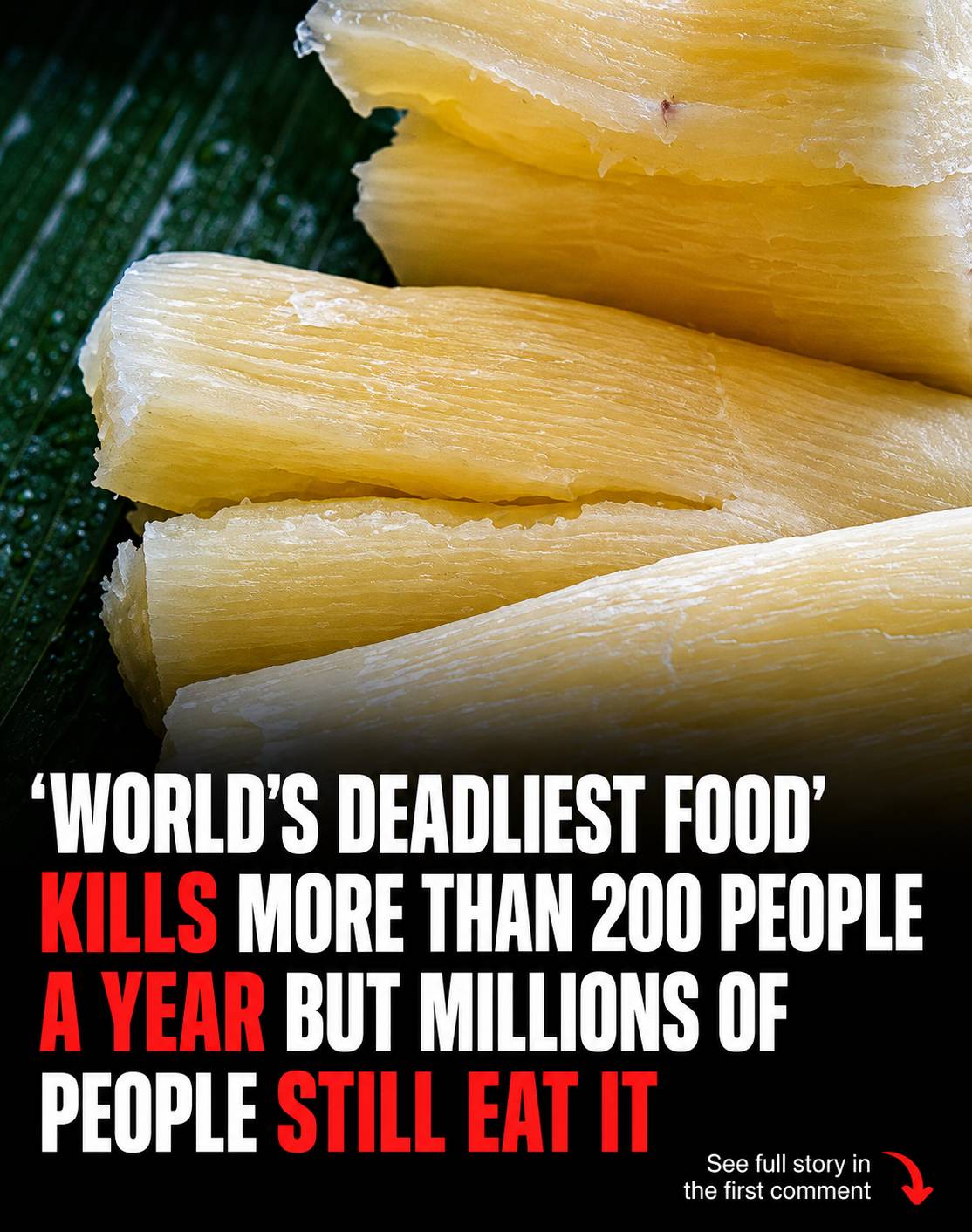
One of the world’s most dangerous foods continues to be eaten daily by more than 500 million people despite causing around 200 deaths each year. The food is cassava, a starchy root vegetable that serves as a major source of calories for millions across Africa, Asia, and South America. Although cassava is an important crop because it grows well in difficult conditions and helps feed large populations, experts warn that improper preparation can make it highly toxic.
The danger comes from naturally occurring compounds inside the plant that can release cyanide if the root is not processed correctly before being eaten.
What Is Cassava?
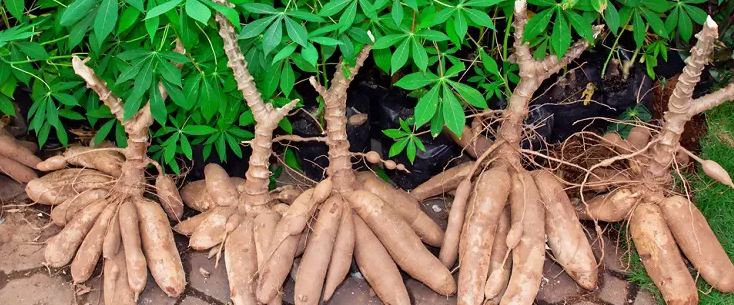
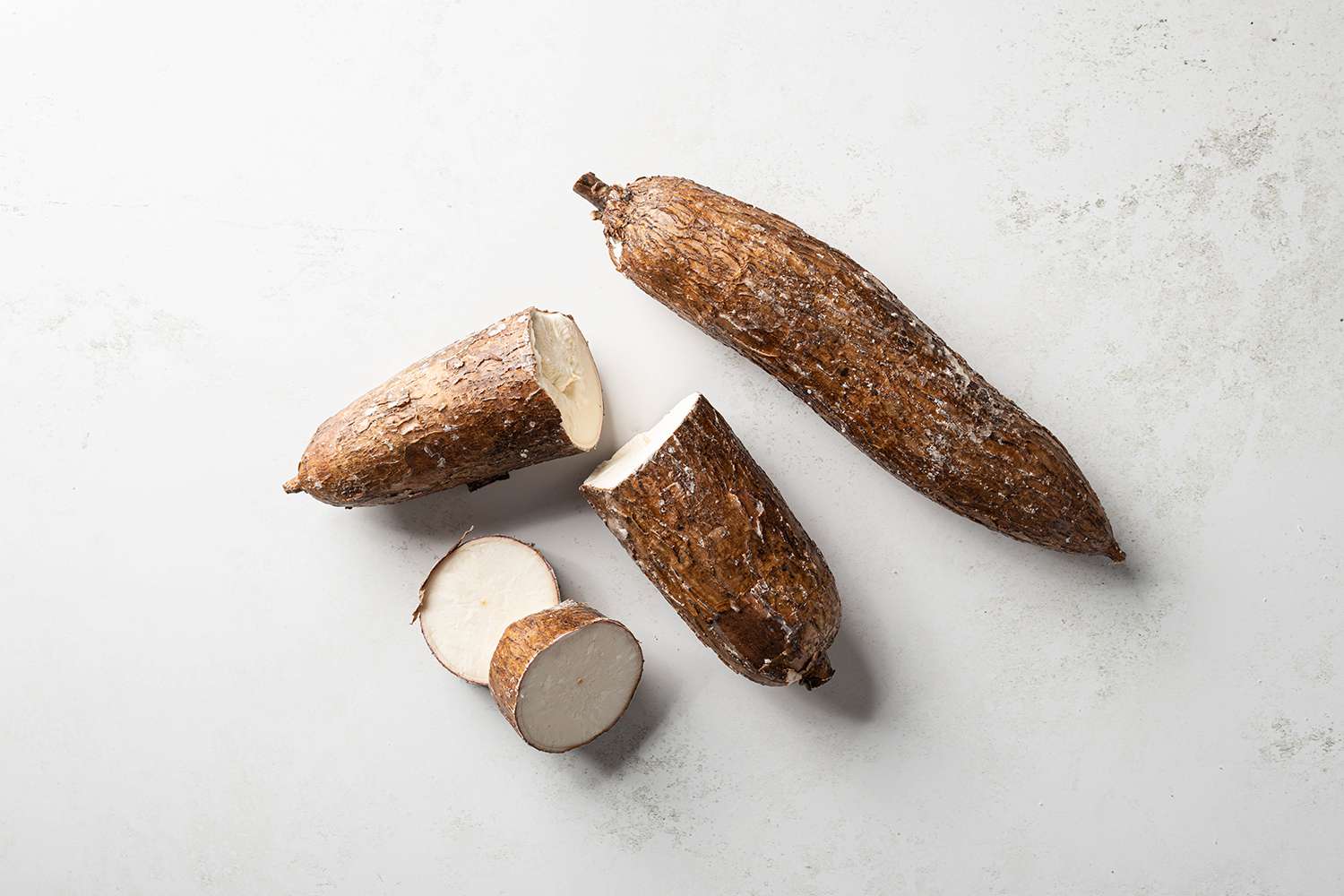
Cassava is a root vegetable native to South America but now widely cultivated throughout tropical regions around the world. It is also known by other names, including manioc and yuca in some countries. The plant is valued because it is inexpensive, drought-resistant, and capable of growing in poor soil where many other crops struggle to survive. Cassava is commonly turned into flour, bread, chips, tapioca, and other staple foods eaten by millions of people every day. For many communities, especially in developing regions, cassava is not simply a food choice but a crucial survival crop.
Why Cassava Can Become Dangerous
The root naturally contains chemicals called cyanogenic glycosides. When cassava is peeled, crushed, chewed, or improperly prepared, these compounds can produce cyanide, a highly toxic substance. If consumed in dangerous amounts, cyanide poisoning can cause serious illness and even death. Symptoms may include dizziness, vomiting, stomach pain, breathing difficulties, paralysis, and in severe cases, fatal poisoning. Experts explain that bitter varieties of cassava typically contain higher toxin levels than sweeter forms, making careful preparation especially important.
Proper Preparation Reduces the Risk
Despite the danger, cassava can be eaten safely when prepared correctly. Traditional processing methods have been used for generations to remove most of the toxic compounds before consumption. The root is usually peeled, soaked, fermented, dried, boiled, or cooked thoroughly before being eaten. Problems often occur during periods of famine, poverty, or food shortages when people may skip important preparation steps because they are hungry or lack access to proper resources. In some cases, drought conditions can also increase toxin concentrations inside the plant, making improper preparation even more dangerous.
Linked to Serious Health Conditions
Long-term exposure to poorly processed cassava has also been connected to neurological disorders in certain regions. One condition, known as konzo, can cause irreversible paralysis in the legs and primarily affects vulnerable populations suffering from malnutrition.Researchers believe the combination of chronic cyanide exposure and poor nutrition increases the risk of these severe health complications. Communities heavily dependent on cassava are often among the poorest populations in the world, making food safety education especially important.
Why Millions Continue Eating It
Despite the risks, cassava remains one of the most important food sources globally because it is affordable, filling, and reliable during harsh environmental conditions. For many families, especially in rural areas, eliminating cassava entirely is simply not realistic. Agricultural experts continue working on developing safer cassava varieties with lower toxin levels while also educating communities about proper preparation methods. Organizations focused on food security stress that the plant itself is not inherently deadly when handled correctly.
A Food That Reflects Both Survival and Risk
Cassava represents a complicated balance between nourishment and danger. While it can become toxic under certain conditions, it also plays a critical role in preventing hunger for millions of people worldwide. Health experts say awareness and proper preparation remain the key to reducing deaths and illnesses linked to the root vegetable. The story of cassava highlights how survival foods can sometimes carry hidden risks, especially in regions facing poverty, climate challenges, and limited healthcare access. Even so, for hundreds of millions of people, cassava continues to be an essential part of daily life and one of the world’s most relied-upon staple crops.