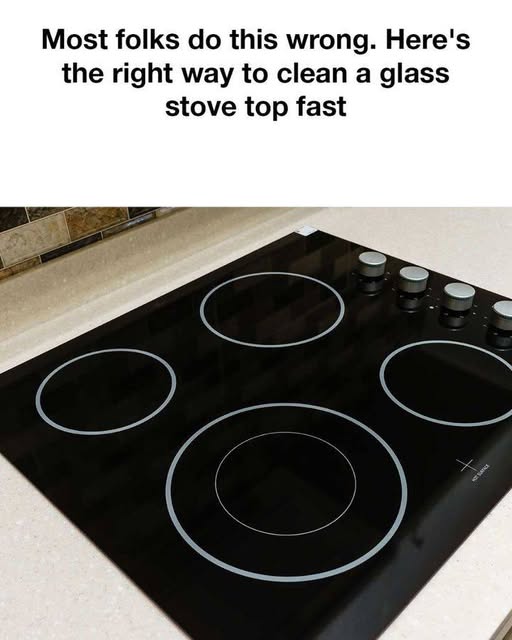
Glass stovetops look modern and elegant, but keeping them spotless can quickly become frustrating. Burnt-on food, grease stains, streaks, and cloudy marks often seem impossible to remove without endless scrubbing.
The problem, according to cleaning experts, is that many people accidentally clean glass stovetops the wrong way. Common mistakes can actually damage the surface, leave scratches, or make future messes even harder to remove. Fortunately, there’s a surprisingly simple cleaning method that many homeowners say works far better than harsh scrubbing.
The Biggest Mistakes People Make
One of the most common errors is using abrasive pads or harsh cleaners. Steel wool, rough scrubbers, and aggressive chemicals may seem effective at first, but they can permanently scratch the glass surface. Once scratched, stovetops become duller and more vulnerable to cracks over time. Another mistake is cleaning the stovetop while it is still hot. Many people try wiping spills immediately, believing heat helps loosen the mess. In reality, heat can bake stains deeper into the surface and create streaks when liquids evaporate too quickly. Experts also warn against using too much cleaner. Excess liquid can leave sticky residue behind and may even seep into sensitive edges or seams around the appliance. Perhaps the biggest issue is waiting too long between cleanings. Burned food particles harden over time, making them much more difficult to remove later. Regular maintenance keeps buildup from becoming stubborn.
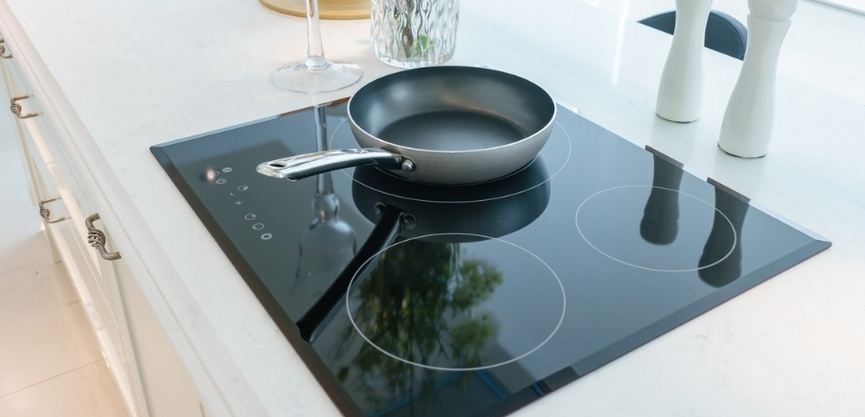
The Baking Soda and Vinegar Method
The cleaning trick gaining attention online relies on two common household ingredients: baking soda and white vinegar.
Cleaning experts say this combination works because vinegar helps dissolve grease while baking soda acts as a gentle abrasive strong enough to loosen grime without scratching glass.
The process is simple:
Wait until the stovetop is completely cool
Wipe away loose crumbs or debris
Spray white vinegar across the surface
Sprinkle a thin layer of baking soda on top
Let the mixture sit for around 15 minutes
Wipe gently with a microfiber cloth or soft sponge
Dry the surface with a clean cloth for a streak-free finish
For especially stubborn burnt spots, some experts recommend carefully using a razor scraper designed specifically for glass stovetops. The blade should remain flat against the surface to avoid scratches.
Why This Method Works So Well
Baking soda is mildly abrasive, meaning it can lift stains without damaging delicate glass. It also helps neutralize odors caused by burnt food residue. Vinegar, meanwhile, naturally cuts through grease and oily buildup. Unlike many commercial products, the mixture contains no harsh chemicals or strong fumes. Many homeowners prefer the method because it is inexpensive, simple, and uses ingredients already found in most kitchens. Cleaning specialists say microfiber cloths are especially important because they trap dirt without scratching smooth surfaces. Paper towels or rough cloths may leave streaks behind.
Everyday Habits That Help Prevent Build-Up
Experts say the easiest way to maintain a glass stovetop is by preventing heavy buildup in the first place. Spills should ideally be wiped once the surface cools enough to touch safely. Weekly light cleaning also prevents grease layers from becoming baked onto the glass. Some homeowners also use stovetop protector mats designed for glass surfaces. These heat-resistant covers help reduce stains and scratches during cooking. Online discussions about household cleaning hacks show many people are surprised by how much easier maintenance becomes once harsh scrubbing is replaced with gentler methods. Several users reported that baking soda and vinegar restored shine to stovetops they thought were permanently stained.
Why Gentle Cleaning Matters
Glass stovetops are designed differently from older coil burners, which means they require a softer approach. Using aggressive cleaning tools may shorten the lifespan of the appliance and reduce efficiency over time. Experts generally recommend checking manufacturer instructions before trying unfamiliar products because some surfaces have special coatings or cleaning recommendations. In the end, the viral cleaning trick is less about using powerful chemicals and more about using the right technique. By avoiding abrasive materials and using simple ingredients like vinegar and baking soda, many people discover they can keep glass stovetops shiny with far less effort than expected.