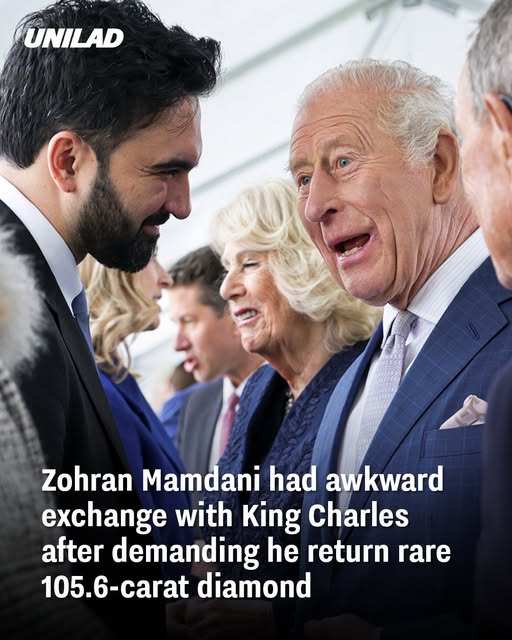
A recent moment during the U.S. visit of King Charles III has sparked global discussion after Zohran Mamdani suggested the monarch should return one of the world’s most famous jewels the Koh-i-Noor diamond.
What Happened
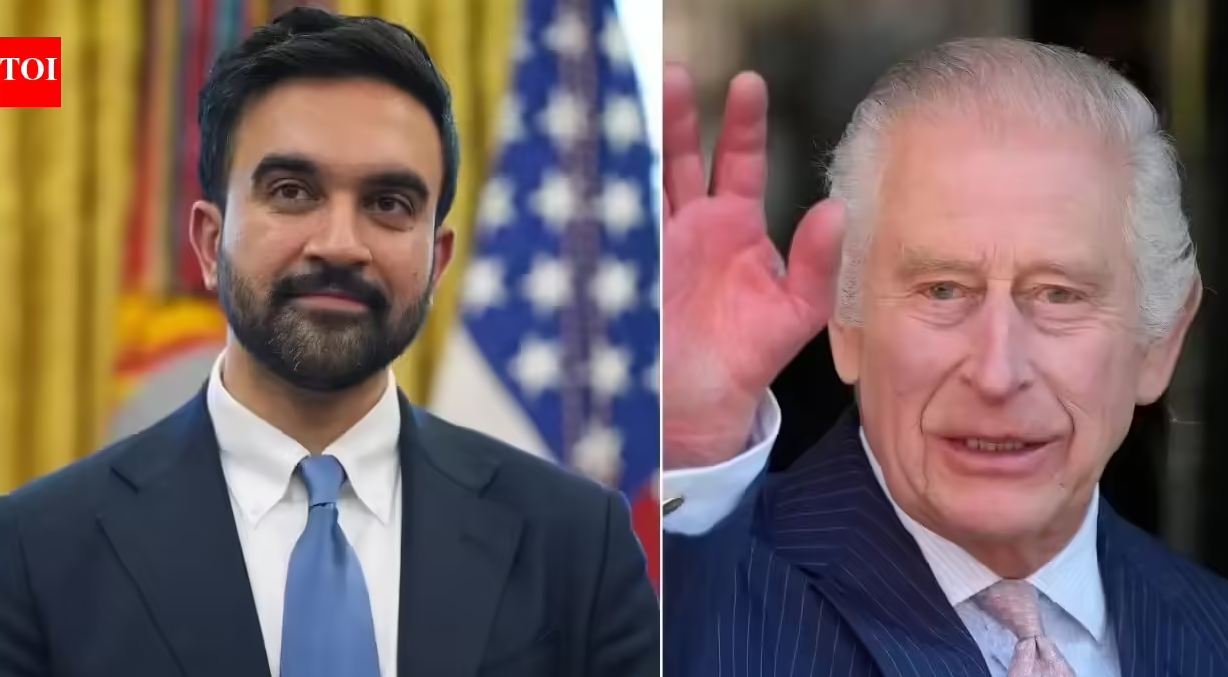
During a press conference ahead of a ceremony at the 9/11 Memorial in New York, Mamdani said that if he had a private conversation with King Charles, he would encourage him to return the Koh-i-Noor diamond. The comment quickly made headlines, as it touched on a long-standing and sensitive issue tied to colonial history. Later that day, the two did meet briefly at the memorial event, but there is no confirmation that the topic was actually discussed face-to-face. Despite the strong public remark, reports indicate their interaction remained polite and ceremonial.
The Diamond at the Center of Debate
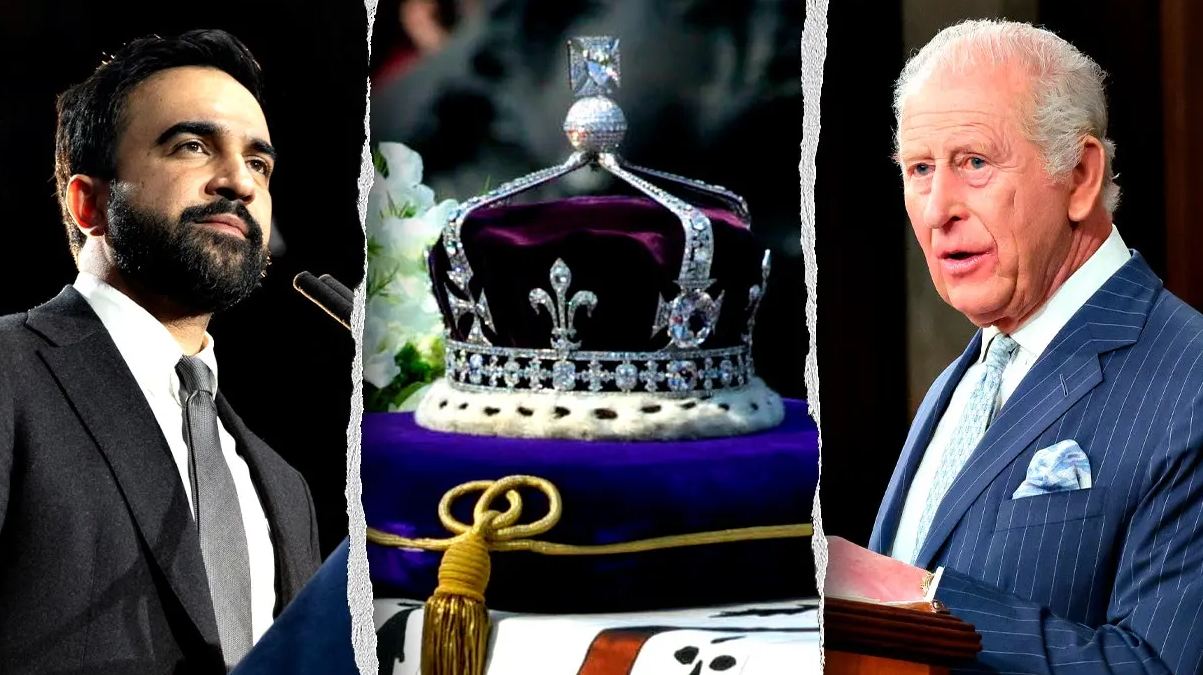
The Koh-i-Noor diamond is part of the British Crown Jewels and has a complex and controversial history. It was taken by the British during the annexation of Punjab in 1849 and later presented to Queen Victoria.
Over the years, several countries—including India, Pakistan, Iran, and Afghanistan—have claimed ownership of the diamond. India, in particular, has repeatedly called for its return, viewing it as a symbol of colonial exploitation. Because of this, the diamond is not just a valuable object but a powerful political and cultural symbol.
Why Mamdani Spoke Out
Mamdani, who has South Asian heritage, framed his comment within broader discussions about colonial legacy and historical justice. His statement reflects a growing global movement calling for the return of cultural artifacts taken during colonial rule. The issue has gained momentum in recent years, especially after debates surrounding museums and institutions holding items acquired during imperial periods.
A Mixed Reception for the King
King Charles’ visit to the United States included stops in Washington, D.C., and New York, where he attended official events and commemorations. While he received a warm welcome in some settings, his reception in New York was more mixed. Mamdani had previously indicated he would not hold a private meeting with the king and used the moment to highlight the diamond controversy instead. Even so, when the two finally met, their exchange appeared cordial, with no visible tension during the public interaction.
A Long-Running Global Debate
The Koh-i-Noor dispute is not new. For decades, it has been at the center of debates about restitution and the legacy of colonialism. Critics argue that returning such artifacts would acknowledge historical injustices, while others say ownership is too complicated due to the diamond’s long and multi-national history. The gem has passed through several empires and rulers over centuries, making the question of rightful ownership highly complex.
Continued Debate Over Cultural Heritage and Ownership
The renewed attention on the Koh-i-Noor diamond has once again highlighted a broader global debate about cultural heritage and the ownership of historical artifacts. Across museums, governments, and academic circles, questions are being raised about whether items taken during colonial periods should remain in Western institutions or be returned to their countries of origin.
Conclusion
Zohran Mamdani’s remarks have once again brought the Koh-i-Noor diamond into the global spotlight. While no immediate action is expected, the moment highlights how historical issues continue to influence modern diplomacy. As conversations around colonial-era artifacts grow louder, the debate over the diamond’s future remains unresolved—but clearly far from over.