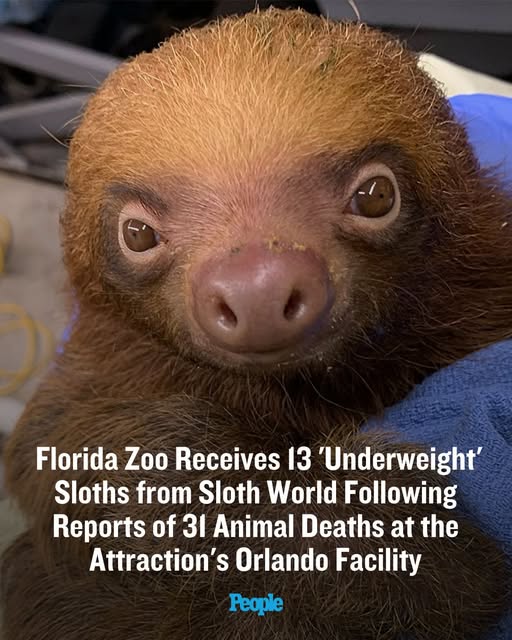
A group of sloths has recently been given a second chance at life after being rescued from poor living conditions and transferred to a safer environment. The animals, described as underweight and in need of care, were moved to a zoo facility where experts could begin the process of rehabilitation.
The situation drew attention due to the fragile condition of the animals and the growing concern over how exotic species are sometimes kept in inadequate environments. Wildlife specialists quickly stepped in, emphasizing the urgency of providing proper care and nutrition.
Poor Conditions Raise Concerns
Before their rescue, the sloths were reportedly living in conditions that did not meet their basic needs. Inadequate nutrition and lack of proper habitat contributed to their weakened state. Experts note that sloths require very specific environmental conditions, including stable temperatures, appropriate diets, and minimal stress.
When these needs are not met, the animals can quickly become malnourished or ill. In this case, several of the rescued sloths showed clear signs of neglect, prompting immediate intervention from authorities and animal welfare organizations.
This situation has also sparked a wider conversation about the responsibilities that come with keeping exotic animals, especially species that are not suited to typical domestic or commercial environments.
Transition to a Safer Environment
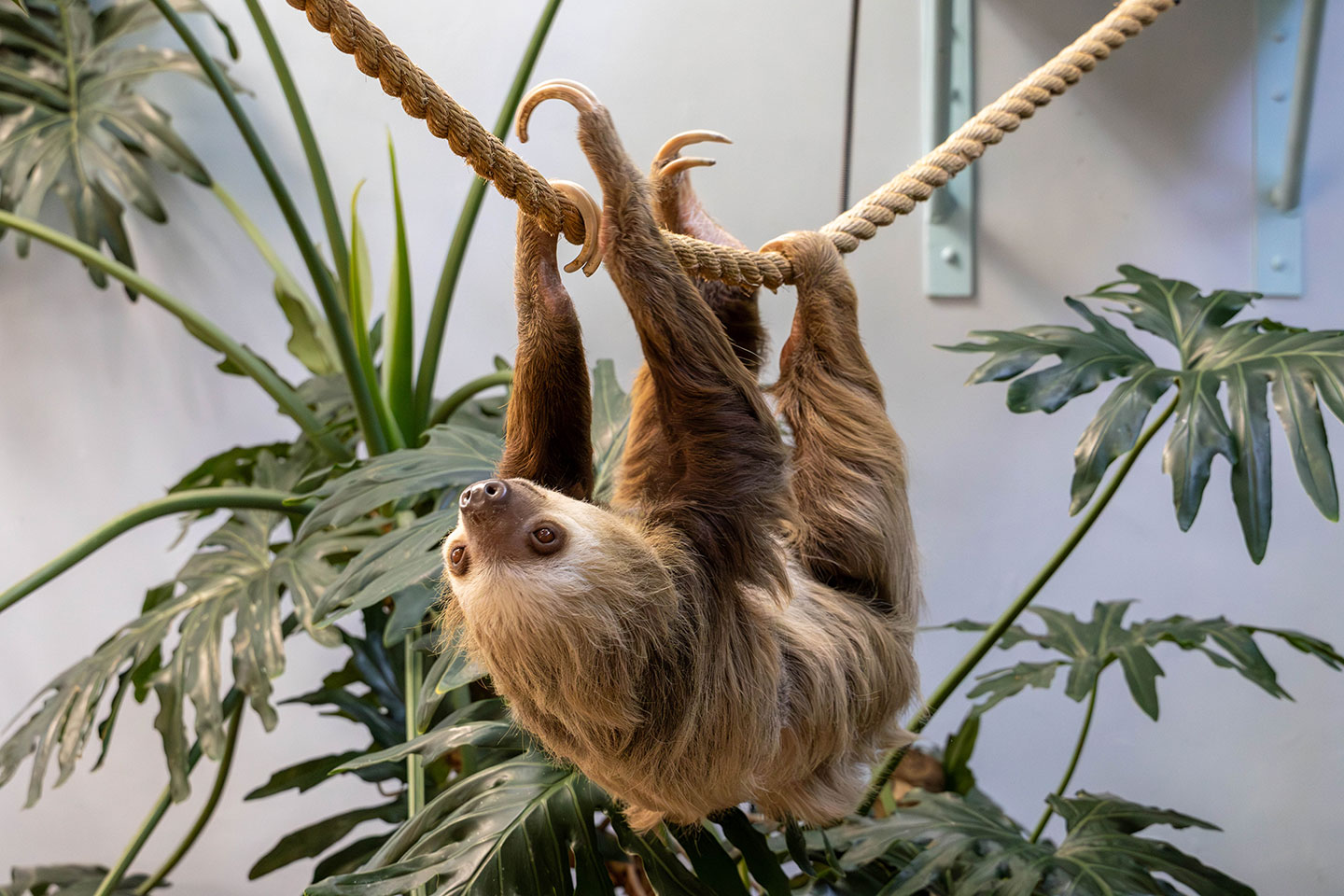
After being removed from their previous location, the sloths were transported to a zoo equipped to handle their specialized needs. The transition marked a critical step in improving their health and overall well-being.
At the new facility, trained professionals began closely monitoring the animals. Each sloth underwent health evaluations to assess weight, hydration, and potential underlying conditions. Nutrition plans were introduced to help them regain strength gradually.
The zoo environment offers controlled conditions that mimic the sloths’ natural habitat, helping reduce stress and promote recovery. Access to proper food, veterinary care, and suitable enclosures plays a crucial role in their rehabilitation.
Rehabilitation and Recovery Process
Recovering from neglect is not an immediate process. Sloths, in particular, have slow metabolisms, which means changes in their health can take time. Caretakers are focusing on steady improvement rather than rapid results.
Specialists are also paying attention to the animals’ behavior. Stress and discomfort can affect how sloths eat, move, and interact with their surroundings. By creating a calm and supportive environment, caregivers aim to restore not just physical health but also natural behavior patterns.
Over time, improvements are expected as the animals adjust to their new surroundings. Gradual weight gain and increased activity are considered positive signs of recovery.
A Broader Message About Animal Welfare
This rescue highlights a larger issue surrounding the treatment of exotic animals. While some people may be drawn to owning or displaying unique species, experts stress that such animals have complex needs that are difficult to meet outside professional settings.
Animal welfare organizations continue to advocate for stricter regulations and greater awareness. Situations like this demonstrate the importance of proper oversight and the role of rescue operations in protecting vulnerable species.
The story also serves as a reminder that even well-intentioned ownership can lead to harm if individuals are not fully prepared to meet an animal’s needs.
Looking Ahead
The rescued sloths are now on a path toward recovery, supported by experienced caregivers and improved living conditions. While their journey is far from over, their relocation represents a significant step forward.
As they continue to heal, their story stands as both a warning and a hopeful example. It shows the consequences of neglect but also the positive impact of timely intervention and dedicated care.
Ultimately, the goal is not only to restore these animals’ health but also to prevent similar situations in the future, ensuring that all wildlife is treated with the care and respect it deserves.