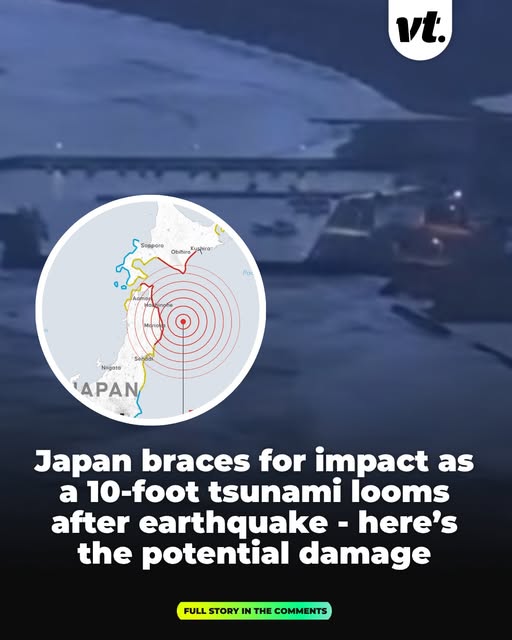
A strong earthquake off the northern coast of Japan has raised fresh concerns about the potential for a dangerous tsunami. The tremor, measured at around magnitude 7.7, struck near the Sanriku region and immediately prompted authorities to issue warnings for coastal communities.
Initial forecasts suggested that tsunami waves could reach up to 3 meters (around 10 feet), which is powerful enough to cause flooding and pose serious risks to anyone near the shoreline.
Evacuations and Emergency Response
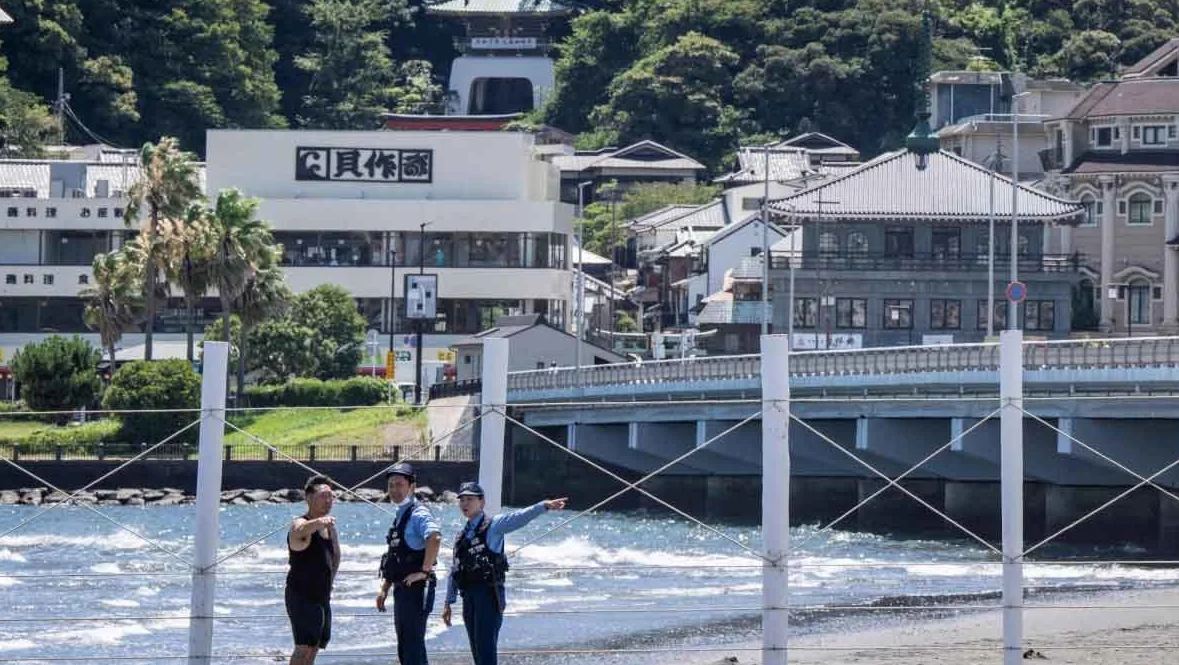
Following the quake, officials urged residents in several coastal towns to evacuate and move to higher ground. Tens of thousands of people were affected by evacuation advisories as authorities acted quickly to minimize potential harm. Transport systems were also disrupted, with bullet trains and some highways temporarily shut down as a safety precaution. These measures are standard in Japan, a country well-prepared for seismic events due to its location on the Pacific “Ring of Fire.” Despite the initial fears, the situation did not escalate to the worst-case scenario. Waves observed along the coast were significantly smaller than expected—reaching around 80 centimeters in some areas.
Why a 10-Foot Tsunami Matters
Even though 10 feet may not sound extreme compared to massive disaster scenarios, it is still highly dangerous. Tsunami waves are not like regular ocean waves—they carry enormous force and can travel far inland. A wave of this size can flood buildings, sweep away vehicles, and create powerful currents capable of dragging people out to sea. Authorities often treat even smaller tsunami warnings seriously because the risk comes from both water height and speed.
Fears of a Larger “Megaquake”
One of the biggest concerns following the earthquake is the increased risk of a larger seismic event. Japanese officials issued a rare advisory warning that the probability of a stronger earthquake—magnitude 8 or higher—has temporarily increased. Normally, the likelihood of such a major quake in a given week is extremely low (around 0.1%). After this event, it rose to about 1%, which, while still small, represents a significant jump in risk. Experts stress that this is not a prediction, but rather a precaution based on historical patterns and geological activity.
No Major Damage Reported
Fortunately, early reports indicate that there were no widespread casualties or major destruction. While a few minor injuries were reported, infrastructure—including nuclear facilities—remained unaffected. This relatively mild outcome highlights Japan’s advanced disaster preparedness systems, which include early warning alerts, strict building codes, and well-practiced evacuation procedures.
A Reminder of Past Disasters
Events like this inevitably bring back memories of the devastating 2011 earthquake and tsunami, which caused widespread destruction and a nuclear crisis. That disaster demonstrated how quickly a powerful quake can escalate into a large-scale humanitarian emergency. Although the current situation is far less severe, it serves as a reminder that Japan remains one of the most seismically active regions in the world.
Ongoing Risk and Preparedness
Authorities continue to advise residents to stay alert, avoid coastal areas, and prepare emergency supplies in case of aftershocks or further developments. Japan experiences frequent earthquakes, but each event reinforces the importance of readiness. Even when the immediate danger passes, the possibility of additional seismic activity remains.
Final Thoughts
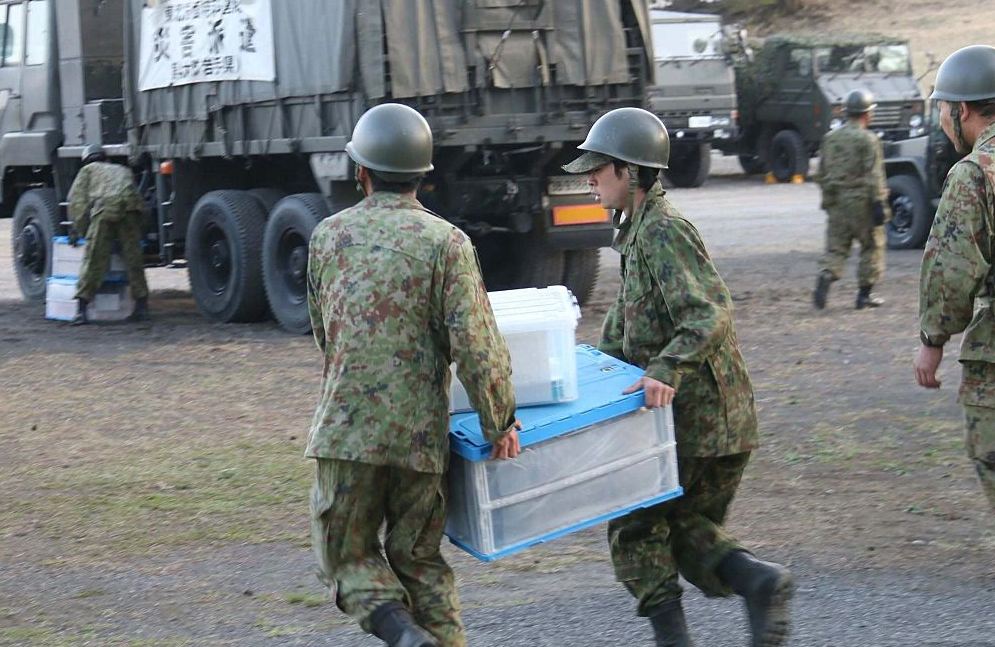
The recent earthquake and tsunami warning show how quickly natural disasters can unfold. While the feared 10-foot waves did not fully materialize, the response demonstrates the seriousness with which such threats are treated. Ultimately, the event underscores a crucial lesson: in earthquake-prone regions, preparation and rapid response can make the difference between safety and catastrophe.