“Charcot disease” is actually an umbrella term that can refer to a few different neurological conditions named after neurologist Jean-Martin Charcot. Most commonly online, it refers to Charcot-Marie-Tooth (CMT) disease, a genetic nerve disorder that affects movement and sensation.
Below is a clear look at the early symptoms people usually notice first.
1. Early Muscle Weakness
One of the first signs is gradual weakness in the feet and lower legs. People may notice that:
- They tire easily when walking
- Their ankles feel unstable
- Running becomes harder than before
This happens because the peripheral nerves slowly lose their ability to properly communicate with muscles.

2. Difficulty Walking (Foot Drop)
A very common early symptom is foot drop, where it becomes hard to lift the front part of the foot.
This can lead to:
Dragging the toes while walking
A higher “stepping” motion to avoid tripping
Frequent stumbling or clumsiness
These changes often appear gradually and may be mistaken for balance issues at first.
3. Loss of Sensation in Feet and Hands
Another early warning sign is reduced feeling in the feet, such as:
Numbness
Tingling or “pins and needles”
Less sensitivity to pain or temperature
This happens because sensory nerves are also affected over time.
4. Foot Shape Changes
Some people begin to notice subtle physical changes in their feet, including:
High arches
Curled toes (hammer toes)
Slight muscle loss in the lower legs
These changes develop slowly but are important early indicators of nerve damage.
5. Clumsiness and Balance Problems
Because muscles weaken and sensation decreases, early-stage CMT can cause:
More frequent tripping
Poor balance
Feeling “awkward” when walking or standing
These symptoms often appear in childhood or early adulthood but can be very mild at first.
Conclusion
Early symptoms of Charcot (most often Charcot-Marie-Tooth disease) usually start subtly with weakness in the legs, foot drop, and reduced sensation in the feet. Over time, these signs become more noticeable and may spread to the hands and arms. The key point is that the condition develops slowly and gradually, so early symptoms can be easy to miss or misinterpret. If someone consistently experiences unexplained weakness, numbness, or walking difficulties, medical evaluation is important for proper diagnosis and support.
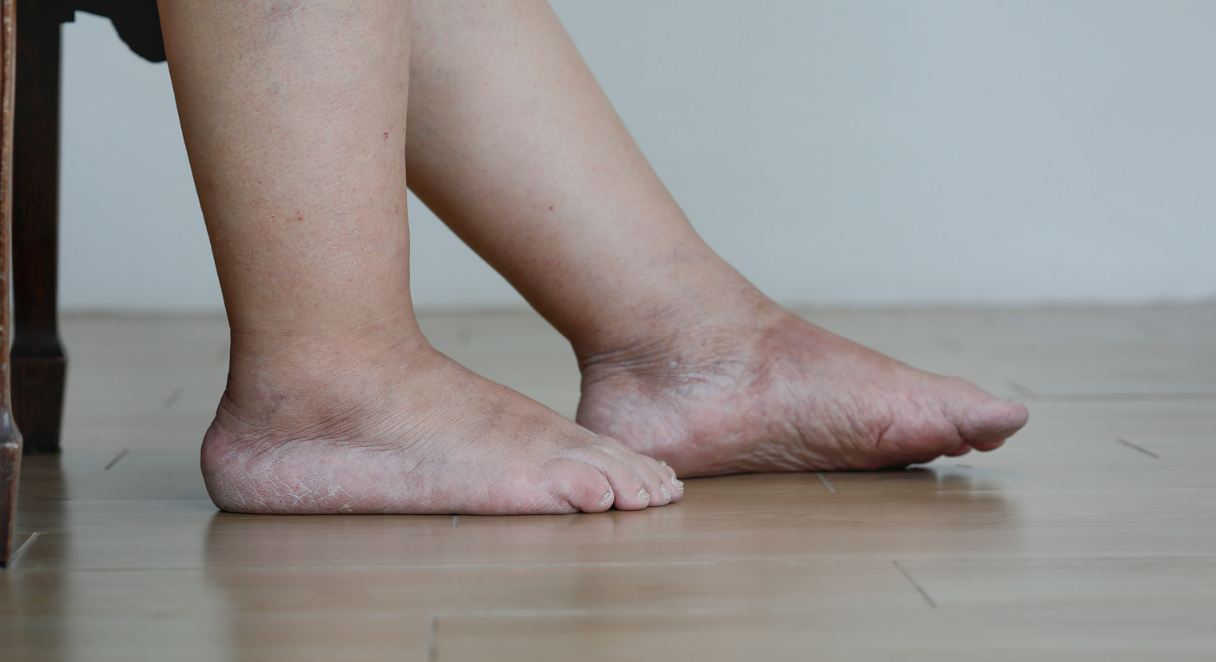
Because Charcot-Marie-Tooth disease progresses slowly, many people do not recognize the early signs as something neurological at first. Symptoms like mild weakness, frequent tripping, or slight foot shape changes can easily be mistaken for poor coordination, fatigue, or even footwear issues. Over time, however, these small changes tend to become more noticeable. That’s why early awareness is important—not to create alarm, but to encourage timely medical evaluation when symptoms persist or gradually worsen. There is currently no cure for the condition, but that does not mean nothing can be done. Many people manage symptoms effectively through physical therapy, supportive devices like braces, and lifestyle adjustments that help maintain mobility and independence for many years.
Ultimately, the key takeaway is that early recognition and proper diagnosis can make a meaningful difference in quality of life. While the symptoms can be concerning, understanding them early helps ensure better management and support over time.