
Plans unveiled by Donald Trump have ignited widespread discussion after details emerged about a proposed 250-foot triumphal arch in Washington, D.C. The structure, sometimes nicknamed the “Arc de Trump,” is intended to commemorate the 250th anniversary of the United States. Designed in a grand neoclassical style, the monument would be one of the most ambitious additions to the capital’s skyline in decades.
Inspired by Historic Landmarks
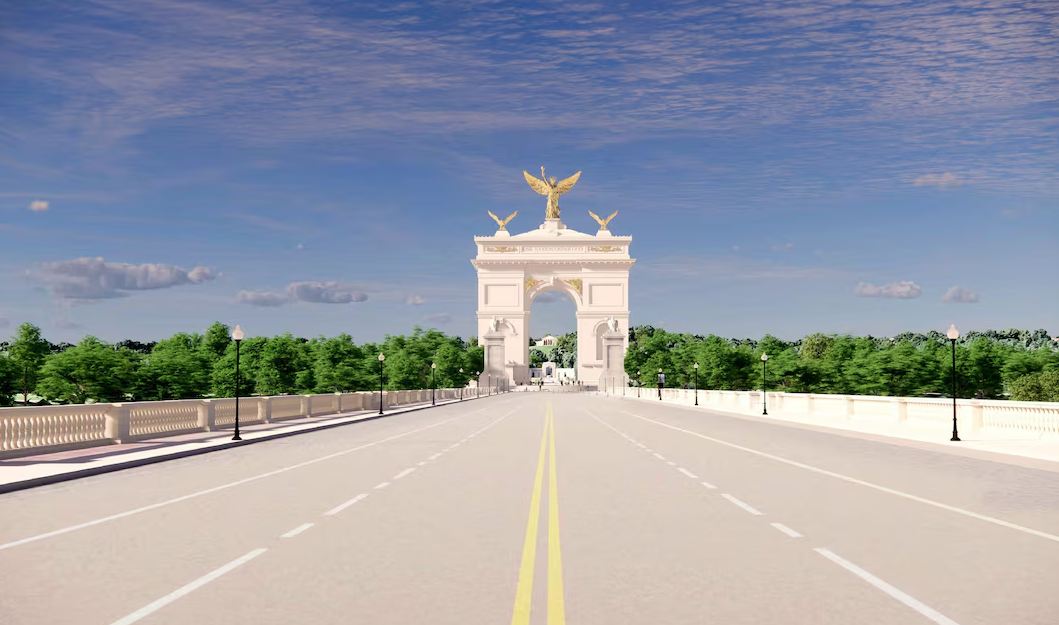
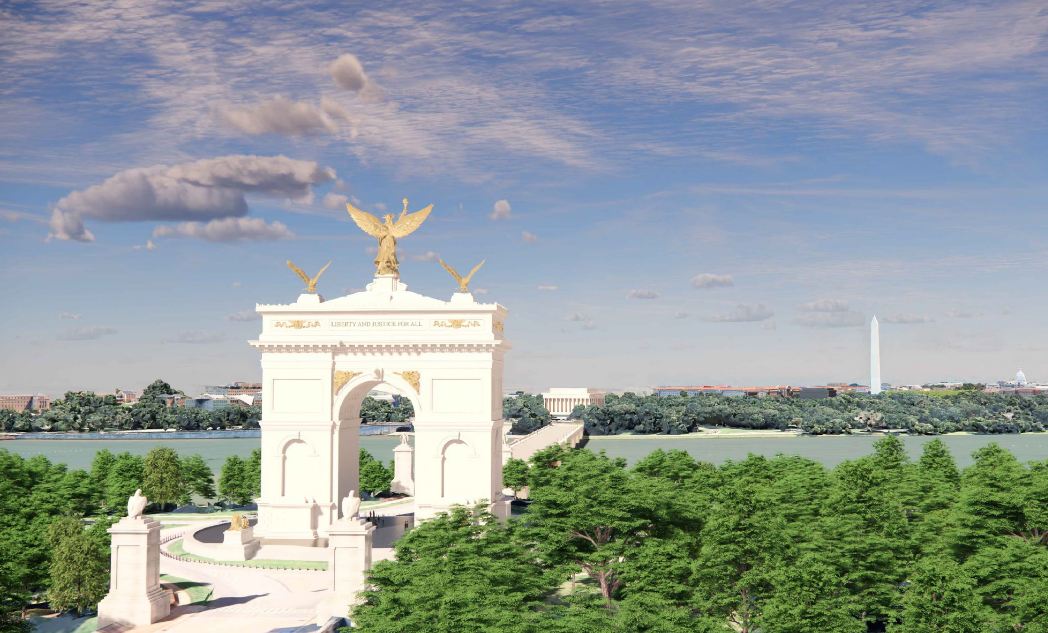
The proposed arch draws inspiration from famous European monuments such as the Arc de Triomphe, as well as ancient Roman triumphal arches. Plans reveal an ivory-colored structure topped with a large winged figure resembling the Statue of Liberty, symbolizing freedom and national pride. Additional decorative elements include golden eagles and lion statues, along with patriotic inscriptions like “Liberty and Justice for All.”
Strategic Location
The arch is planned for a prominent site between the Lincoln Memorial and Arlington National Cemetery, specifically at a large traffic circle known as Memorial Circle. This location sits at a symbolic gateway between Washington, D.C., and northern Virginia, making it highly visible to visitors and residents alike. If completed, the structure would surpass the height of the Lincoln Memorial and become one of the tallest features in the area, though still smaller than the Washington Monument.
Supporters See a National Symbol
Supporters of the project argue that the arch would serve as a bold national symbol, celebrating America’s history and future. They believe it could become an iconic landmark, comparable to other globally recognized monuments. The proposal is part of a broader “beautification” initiative aimed at reshaping parts of the capital with new architectural projects and renovations.
Critics Raise Concerns
However, the plan has faced strong criticism from architects, preservationists, and veterans. Opponents argue that the massive structure could disrupt the historic visual balance of the National Mall and surrounding landmarks. Some veterans have even filed legal challenges, expressing concern that the monument could interfere with the solemn atmosphere and views associated with Arlington National Cemetery.
Legal and Political Hurdles
Before construction can begin, the project must receive approval from federal bodies such as the Commission of Fine Arts. Even if approved, it may still face legal obstacles and public opposition. Previous large-scale proposals tied to the same initiative have already encountered delays and court challenges, suggesting that the arch’s future remains uncertain.
A Defining Project or a Controversial Legacy?
The proposed triumphal arch represents more than just a construction project—it reflects a broader vision for how the nation’s capital should look and what it should symbolize. For some, it is a bold tribute to American identity. For others, it raises questions about scale, taste, and historical preservation. As debates continue, the fate of the project will likely shape not only Washington’s skyline but also the legacy it leaves behind.
Conclusion
The proposed 250-foot triumphal arch has quickly become a symbol of a larger debate about identity, history, and the future of public spaces in Washington, D.C. While supporters view it as a powerful tribute to America’s legacy and a potential new landmark, critics worry about its impact on the city’s historic character and cultural balance. With legal, political, and public opinion all playing a role, the project’s outcome remains uncertain. Ultimately, whether the arch is built or not, the discussion it has sparked highlights how deeply people care about the meaning and appearance of national symbols.