A new warning is making headlines after reports suggested some Americans could eventually receive a payment worth $1,745 under a proposal linked to Donald Trump’s tariff plans. While the idea of extra money landing in people’s bank accounts has grabbed immediate attention, the biggest surprise is that married couples are now being told not to assume they would automatically get double the amount. As excitement spreads online, experts are urging Americans to slow down and look carefully at the fine print before expecting any payout.
Where the $1,745 Figure Comes From
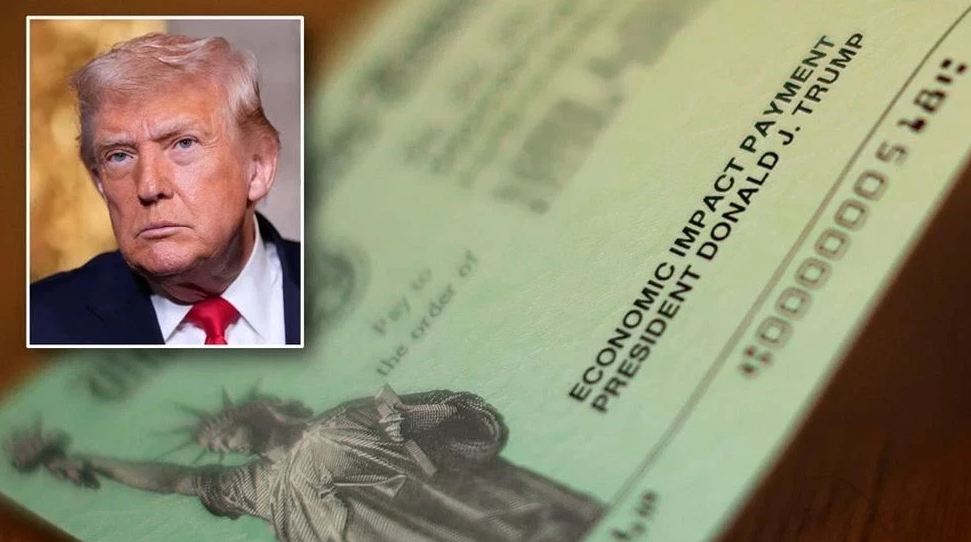
The potential payment is tied to Trump’s long-discussed idea of using money raised through tariffs on imported goods and returning some of it directly to Americans as a kind of dividend. Trump previously floated the possibility of payments of at least $2,000 per person, but newer estimates reported in recent coverage suggest the amount being discussed now is closer to $1,745. That lower number has sparked a fresh wave of questions about how the payment would actually be calculated and whether it would ever happen at all. The proposal has been compared to stimulus-style payments because it would involve direct money going to eligible Americans. However, unlike previous federal checks, this plan is still far from final. There is currently no confirmed rollout date, no finalized eligibility framework, and no official approval that guarantees anyone will receive a payment. At this stage, it remains a proposal rather than a confirmed government benefit.

Why Married Couples Are Being Warned
The biggest warning right now is aimed at married couples who may assume that if one person could receive $1,745, then two spouses would automatically receive $3,490 together. Reports suggest that may not be how it works if the plan follows a structure similar to past stimulus-style payments. In previous federal payment programs, married couples who filed taxes jointly often received a combined payment instead of two completely separate checks processed independently. That means the final amount could depend heavily on how the government decides to structure eligibility, filing status, and household income rules. Because of that, married couples are being told not to automatically assume the headline number would simply double.
This uncertainty has become one of the biggest reasons experts are urging caution. Until the administration or Congress provides official guidance, couples could easily misunderstand what they might actually receive. A large number being shared online may sound exciting, but the real payment—if it ever happens—could end up looking very different depending on tax status and income thresholds.
Single Americans Could Face Their Own Problem
It is not only married couples who may need to pay attention. Another recent report suggested that unmarried Americans may also need to be cautious because income limits could affect them differently. If the plan uses rules similar to older stimulus programs, single filers could hit income caps faster than married couples filing jointly, which might reduce or eliminate eligibility for some people. That means while couples are being warned not to assume they will get double, single Americans are being warned not to assume they will automatically qualify either. Filing status may end up playing a major role in who gets paid and how much.
Will Anyone Actually Get the Money?
That remains the biggest unanswered question. There is still no confirmed payment date, and there is no final plan in place. Reports indicate the idea could move later this year or sometime in 2026, but only if lawmakers approve a formal system for distributing the funds. Even then, there are major doubts about whether enough tariff revenue exists to support payments at the scale Trump has suggested. Some fact-checkers and analysts have also raised concerns about whether the math works. Independent reviews have noted that while Trump has promoted tariff dividend checks, there is still no official program and no guarantee the available tariff revenue would be enough to cover broad payments to millions of Americans. That has led many experts to warn that people should not treat the proposed $1,745 figure as guaranteed money.
A Promise That Is Still Far From Reality
For now, the $1,745 payment is creating plenty of buzz, but it is still surrounded by uncertainty. Married couples may not get exactly what they expect, single Americans may face their own eligibility challenges, and nobody has been given an official date or guaranteed approval. While the idea of a direct payment is grabbing headlines, the reality is that Americans should stay cautious until actual rules are announced.