
NASA has officially made history once again after Artemis II launched successfully, sending astronauts on the first crewed mission toward the Moon in more than half a century. The launch marked a major milestone not only for the United States but for modern space exploration as a whole. After decades without a crewed lunar mission, the successful liftoff signaled the beginning of a bold new chapter in humanity’s return to deep space.
A Historic Return to Deep Space
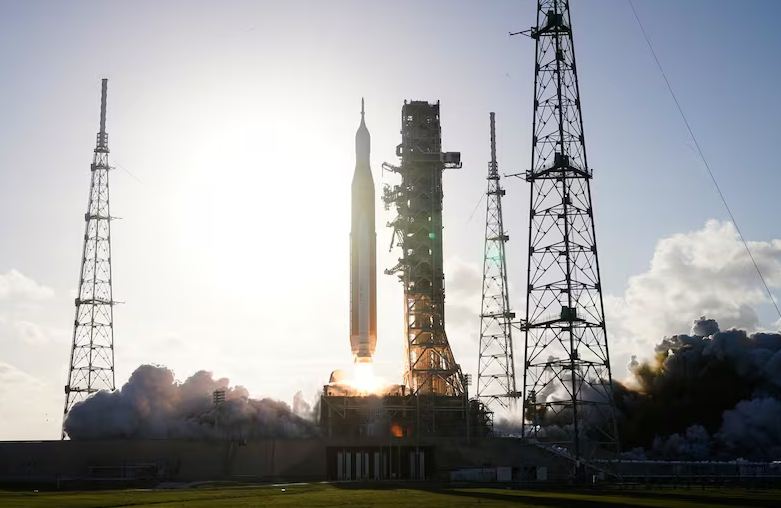
Artemis II is the first crewed lunar mission since the Apollo era, making it one of NASA’s most significant achievements in recent decades. The spacecraft lifted off from Kennedy Space Center in Florida at 6:35 p.m. EDT on April 1, 2026, carrying four astronauts aboard the Orion capsule for a planned 10-day mission around the Moon and back to Earth. The mission is designed as a lunar flyby rather than a landing, but its success is considered a critical step toward future Moon landings later in the decade. The crew includes Commander Reid Wiseman, Pilot Victor Glover, Mission Specialist Christina Koch, and Canadian astronaut Jeremy Hansen. Their journey is historic for several reasons. Koch becomes the first woman on a crewed lunar mission, Glover becomes the first person of color to travel into cislunar space, and Hansen becomes the first non-American to take part in a lunar mission. Together, the four astronauts are helping write a new chapter in the story of human spaceflight.
Technical Hiccups Before Launch
Although the mission launched successfully, the final hours before liftoff were not completely smooth. Reports indicated that NASA had to work through several technical issues that briefly threatened to delay or cancel the launch. These included a battery temperature concern and a problem involving the Flight Termination System, which is one of the rocket’s most important safety mechanisms. That system exists to destroy the rocket if it veers off course and becomes a danger. Thankfully, the problems were resolved in time, and the countdown continued. NASA’s launch team confirmed the issue had been cleared, allowing the mission to proceed as planned. While the exact details of the fixes were not fully disclosed, the successful launch showed how carefully NASA monitors even the smallest irregularities before sending astronauts into space.
What Artemis II Will Do
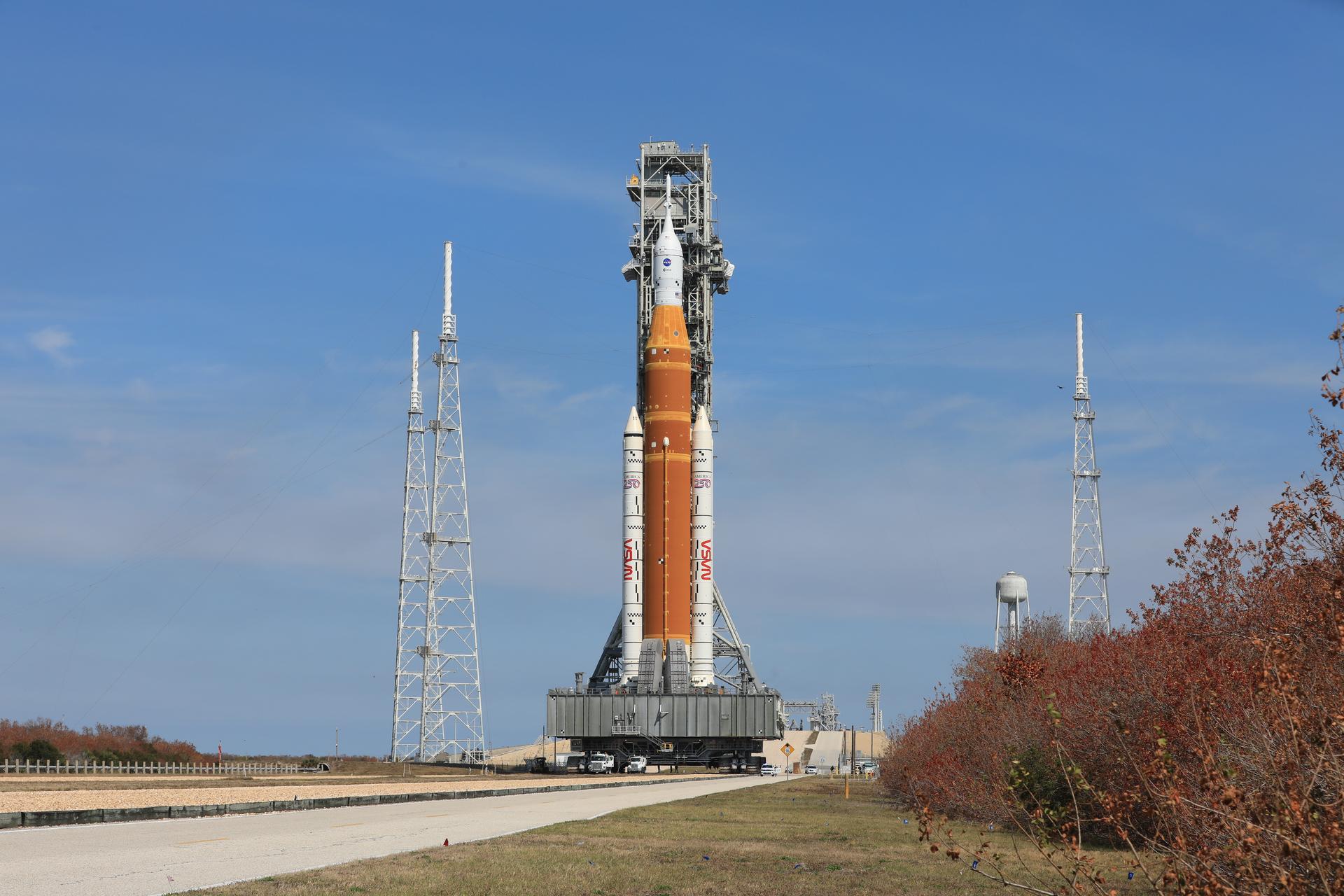
Unlike the Apollo Moon landings, Artemis II is not intended to land on the lunar surface. Instead, the mission is focused on testing the Orion spacecraft and the Space Launch System rocket in real-world conditions with a crew on board. Over the course of the 10-day mission, the astronauts will fly around the Moon and return to Earth while engineers study how the spacecraft performs during deep-space travel. NASA will use the mission to test critical life-support systems, monitor the crew’s health during long-duration spaceflight, and evaluate how the spacecraft handles radiation, microgravity, and the extreme heat of re-entry. The Orion capsule is expected to face temperatures of around 3,000 degrees Fahrenheit when it returns to Earth, making this a vital test for future lunar missions.
A Step Toward the Future
Artemis II is part of NASA’s larger Moon to Mars vision, which aims to establish a long-term human presence near the Moon and eventually support missions to Mars. If all goes well, this mission will pave the way for the next phase of lunar exploration and bring NASA closer to returning astronauts to the lunar surface for the first time in decades. In the end, Artemis II is far more than just a successful launch. It is a symbol of renewed ambition, international cooperation, and the belief that humanity is ready to push farther into space once again. With one historic mission now underway, the dream of returning to the Moon feels more real than ever.