
Kidney disease is often called a silent condition because it can develop gradually without obvious symptoms in the early stages. By the time many people realize something is wrong, the damage may already be serious. That is why paying attention to subtle changes in your body is so important. Your kidneys play a vital role in filtering waste, balancing fluids, regulating blood pressure, and supporting red blood cell production. When they begin to struggle, your body can send warning signs that should never be brushed aside.
Why Kidney Problems Can Be Easy to Miss
Because the kidneys work quietly in the background, many people do not notice a problem until symptoms become more intense. These organs filter around 120 to 150 quarts of blood per day and help remove toxins through urine. They also help maintain mineral balance and support bone health. Conditions such as diabetes, high blood pressure, infections, and genetic factors can all increase the risk of kidney disease, which is why recognizing early symptoms matters so much.
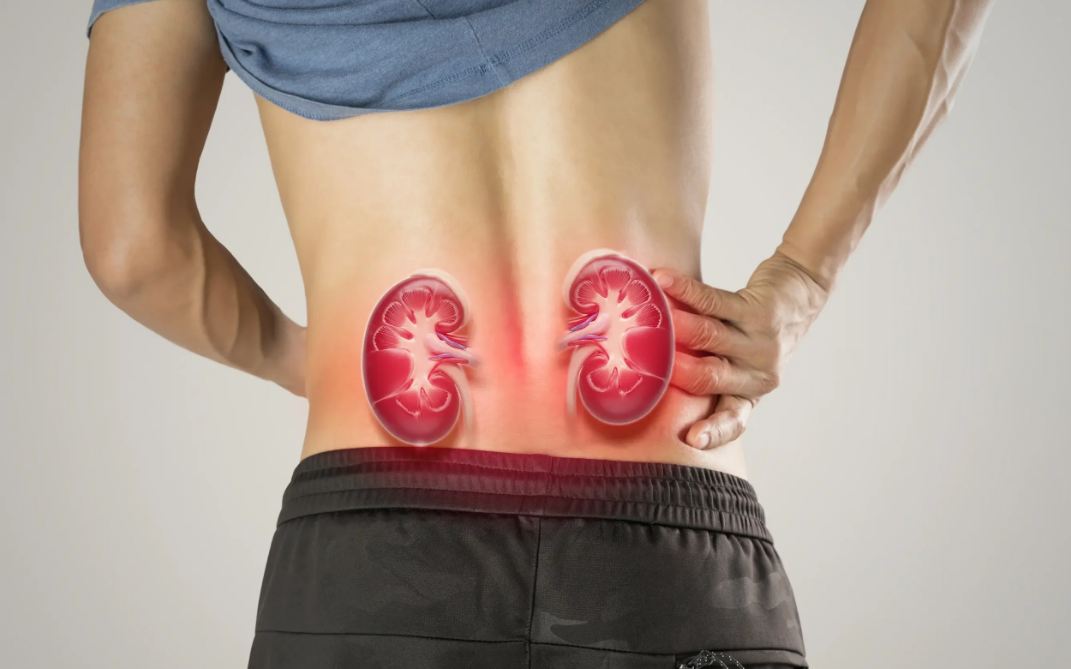
1. Changes in Urination
One of the earliest and most common warning signs of kidney trouble is a noticeable change in urination. This can include going more often, especially at night, producing less urine than usual, or seeing urine that looks foamy or bubbly. Foamy urine may suggest protein leakage, which can happen when the kidneys’ filters are damaged. Dark or bloody urine can also be a red flag and should be checked by a doctor quickly.
2. Constant Fatigue and Weakness
If you feel exhausted all the time, even after resting, your kidneys may be involved. When kidney function drops, waste can build up in the blood, and the kidneys may produce less erythropoietin, a hormone that helps the body make red blood cells. This can lead to anemia, causing tiredness, weakness, and trouble focusing. Many people blame stress or poor sleep, but persistent fatigue should not be ignored.
3. Swelling in the Body
Swelling, also called edema, can happen when the kidneys are no longer removing extra fluid properly. This may show up in the feet, ankles, hands, face, or even around the eyes. Puffy eyes in the morning can sometimes be an early clue that protein is leaking into the urine. If swelling keeps happening without a clear reason, it may be time to check kidney function.
4. Back Pain, Nausea, and Appetite Loss
Pain below the ribs or in the lower back can sometimes point to kidney infections or stones. Other warning signs include nausea, vomiting, or losing your appetite without explanation. When waste builds up in the bloodstream, it can make food less appealing and may even cause unexpected weight loss. Some people also notice a metallic taste in their mouth, which can be another sign that toxins are accumulating.

5. Sleep Problems and When to Get Checked
Difficulty sleeping can also be linked to kidney disease, especially if frequent urination, restless legs, or nighttime cramps keep waking you up. While any one symptom might not mean serious disease, several together should never be ignored. Doctors often use simple blood and urine tests to evaluate kidney function. Catching problems early can make a huge difference and may help prevent permanent damage.