When preparing shrimp, you’ve probably noticed a dark line running down its back often called the “vein.” Despite its name, this line is not an actual vein in the biological sense. It’s the shrimp’s digestive tract, also known as the intestine, and it contains the shrimp’s food remnants and waste material from its environment. The line is more visible in larger shrimp and can range in color from light brown to black, depending on what the shrimp has eaten before being caught.
What Is It Really?
The so‑called “vein” is essentially the shrimp’s digestive system — the tube through which food passes. It’s filled with whatever the shrimp has eaten, including algae or tiny particles from the sea floor. This is why the line can look dark and even gritty. Despite the unpleasant image the term “vein” suggests, it isn’t harmful to eat if the shrimp is cooked properly. Cooking at the right temperature destroys any bacteria present and makes shrimp safe to eat with or without the intestinal tract.
Should You Remove It?
Whether or not you remove the shrimp’s digestive tract — a process known as deveining — is largely a culinary choice rather than a safety requirement. Here’s why:
Reasons People Devein Shrimp
- Appearance: A dark line can seem unappetizing, especially for elegant dishes like shrimp cocktail or sautéed shrimp aimed to look pristine.
- Texture: That digestive tract can sometimes have a gritty or sandy feel, which some people find unpleasant.
- Taste: While not toxic, the vein can occasionally impart a slightly bitter or muddy flavor, especially in larger shrimp.
- Removing it can improve the overall dining experience, particularly when shrimp are served on their own without heavy sauces or seasonings.
When You Might Skip Deveining
- Small shrimp: In tiny shrimp, the digestive tract is often so thin and barely visible that leaving it in makes no noticeable difference.
- Heavily seasoned dishes: If shrimp are cooked in bold sauces or strong flavors, any slight bitterness from the digestive tract may be masked.
- In these cases, some cooks might skip the step without affecting the enjoyment of the meal.
How Do You Devein It?
Deveining is a simple process:
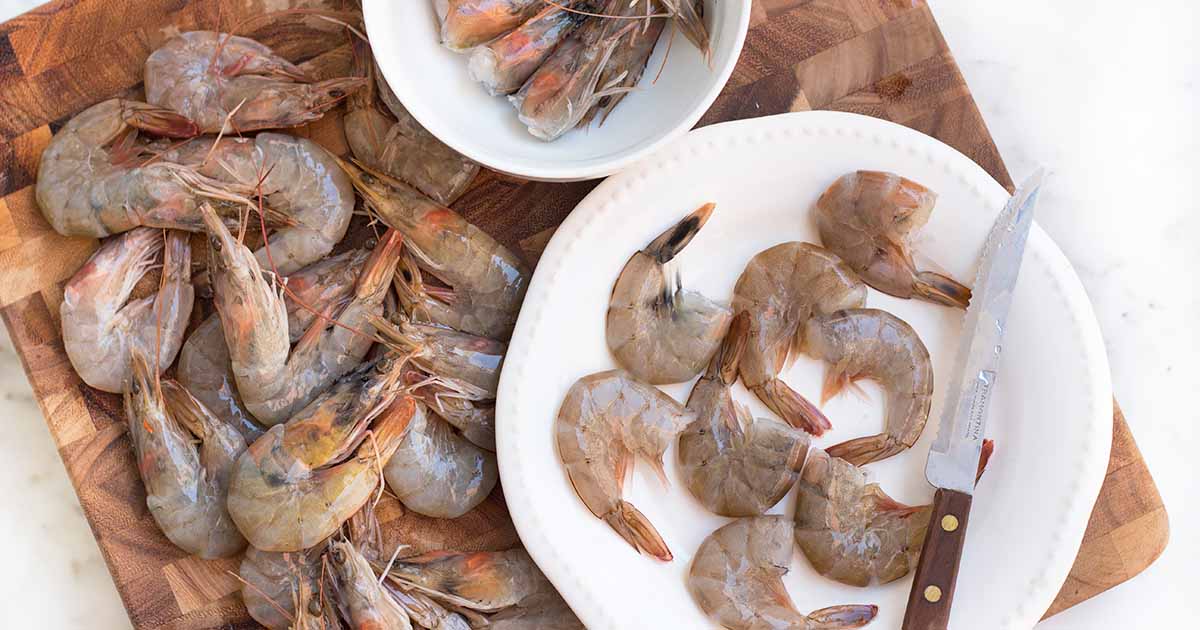
- Make a shallow cut along the shrimp’s back with a small knife.
- Lift and remove the dark line with your fingers or tweezers.
- Rinse the shrimp briefly under cold water to wash away any remaining particles — then cook as usual.
- You can also buy shrimp that’s “peeled and deveined,” where this work is done before purchase.
A Small Culinary Detail With Big Impact
Understanding the shrimp “vein” isn’t just trivia — it helps explain how chefs control taste, texture, and presentation in seafood dishes. While deveining isn’t strictly necessary for safety, it’s a common step in kitchens both professional and home‑based to ensure a cleaner, more enjoyable eating experience.
Conclusion
The shrimp “vein,” though often mistaken for a vein, is actually the shrimp’s digestive tract and is not harmful to eat when cooked properly. Removing it, or deveining, is mainly a culinary choice that improves the shrimp’s appearance, texture, and taste, especially in dishes where presentation matters. For small shrimp or heavily seasoned recipes, deveining may be optional, but for larger shrimp or elegant meals, many cooks prefer to remove it. Understanding this little-known detail helps home cooks and chefs alike ensure that shrimp dishes are both safe and enjoyable, highlighting how small preparation steps can make a big difference in the final result.