
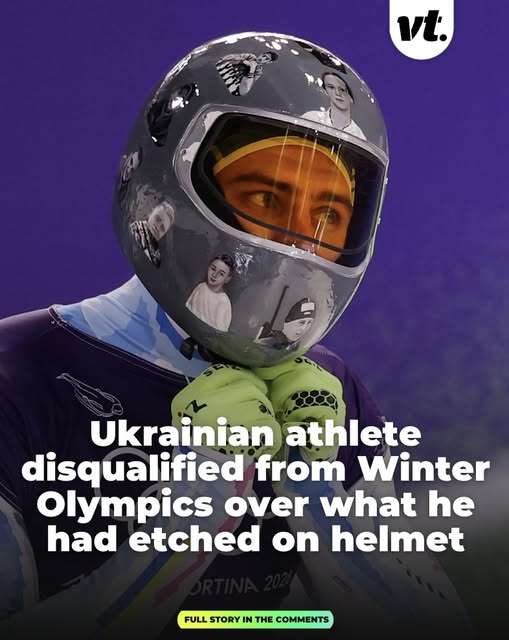
A Ukrainian athlete has been disqualified from the Winter Olympics following a controversial incident involving their helmet, sparking debate among fans, officials, and fellow competitors. The decision came after judges determined that the athlete’s equipment did not comply with competition regulations, resulting in immediate removal from the event. The ruling has drawn significant attention, as the athlete had already completed their run before officials intervened. What might appear to be a minor equipment issue quickly escalated into a major moment on the Olympic stage.
What Led to the Disqualification
According to competition officials, the helmet worn by the athlete failed to meet specific technical requirements outlined in Olympic regulations. While helmets are mandatory for safety reasons, they must also conform to strict standards regarding design, certification, and modification.
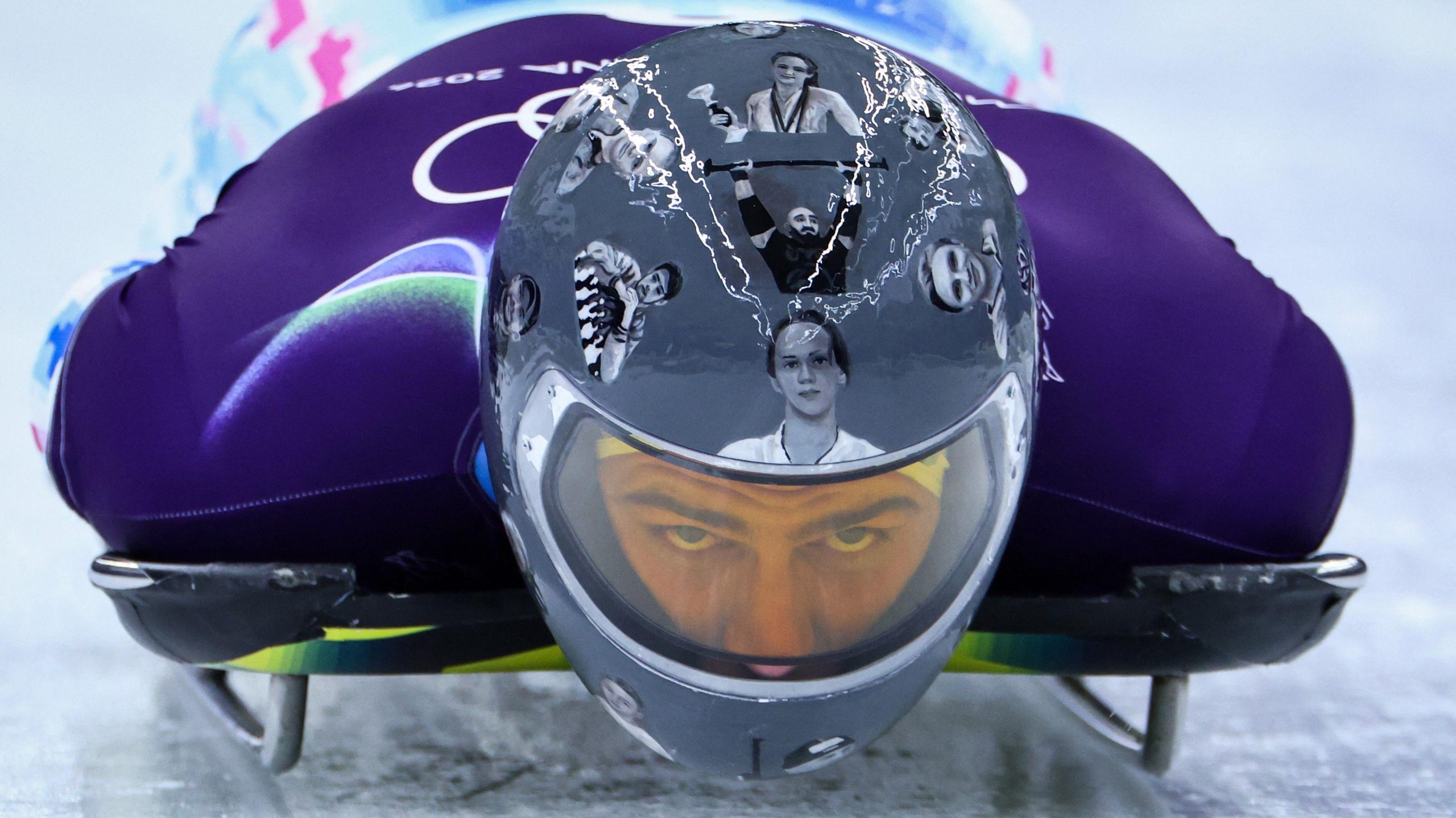
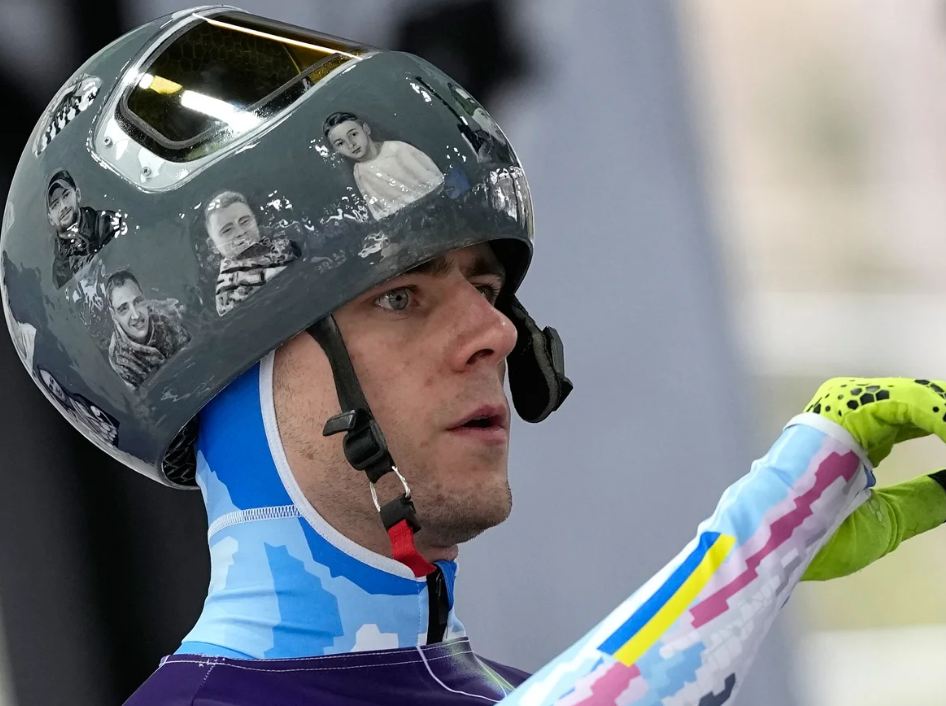
Officials stated that the helmet had been altered in a way that violated equipment rules. Even though the change did not appear to offer a clear competitive advantage, the regulations leave little room for interpretation. Once the violation was identified, judges were required to enforce the rules regardless of intent.
Reaction From the Athlete
The athlete appeared visibly distressed after learning of the decision. Reports from the venue describe an emotional reaction, with the competitor expressing disbelief and frustration. For athletes who spend years preparing for a single Olympic moment, disqualification represents a devastating blow. While the athlete did not immediately release a detailed public statement, body language and brief remarks suggested shock rather than defiance. Supporters argue that the infraction was unintentional and should have resulted in a warning rather than outright disqualification.
Strict Rules and Zero Tolerance
The Olympics operate under some of the most rigid equipment standards in professional sport. These rules exist to ensure fairness, athlete safety, and uniform competition conditions. Even small deviations can result in penalties, including disqualification. Officials emphasized that equipment checks are the responsibility of both athletes and their teams. Once an athlete enters competition, responsibility for compliance rests entirely with them. This strict approach has long been controversial, particularly in cases where violations appear minor or accidental.
Mixed Reactions From Fans and Experts
The incident quickly gained traction online, with fans expressing divided opinions. Some defended the decision, arguing that rules must be applied consistently to maintain integrity. Others felt the punishment was disproportionate, especially given the emotional and symbolic weight of Olympic participation. Sports analysts have pointed out that similar cases in the past have led to varied outcomes, depending on timing, intent, and the nature of the violation. This inconsistency has fueled calls for clearer guidance and more flexible enforcement in non-safety-related cases.
Impact on the Ukrainian Team
The disqualification was a blow not only to the athlete but also to the Ukrainian team, which has been competing under immense pressure. Every Olympic appearance carries national significance, particularly for athletes representing countries facing ongoing hardship. Team officials reportedly supported the athlete and emphasized unity following the incident. They also highlighted the importance of learning from the situation to prevent similar issues in future competitions.
A Harsh Olympic Lesson
This case serves as a reminder of how unforgiving elite sport can be. At the Olympic level, even the smallest oversight can end years of preparation in an instant. While rules are necessary to ensure fairness, moments like this reignite debate over how strictly they should be enforced. For the athlete involved, the disqualification will remain a painful chapter. Yet their journey to the Olympics still stands as a testament to dedication, resilience, and the sacrifices required to compete on the world’s biggest stage.