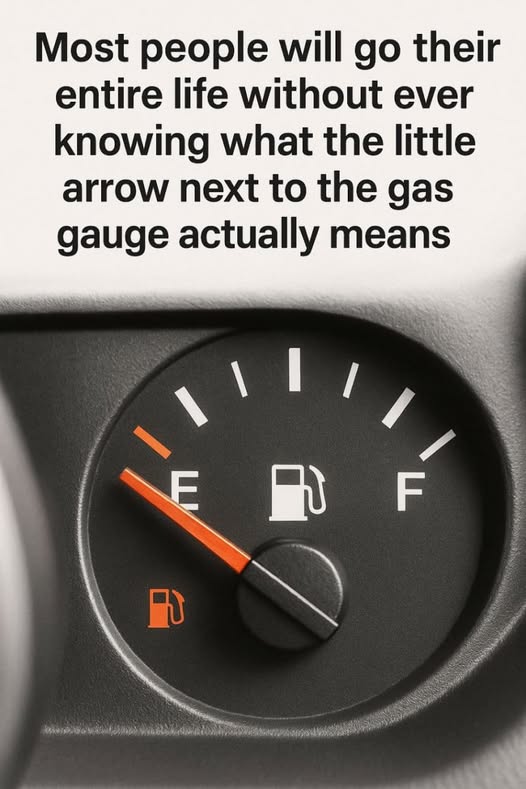
Most drivers have looked at their dashboard thousands of times without ever noticing one of its most useful features. Right next to the gas pump icon on the fuel gauge, there is often a tiny arrow or triangle. It may seem insignificant, but this small symbol solves one of the most common everyday driving problems: which side of the car the fuel cap is on.
Many people still guess or rely on memory when pulling into a gas station. This can be especially awkward when driving a rental car or someone else’s vehicle. The little arrow eliminates all that uncertainty with a single glance.
What the Arrow Actually Means
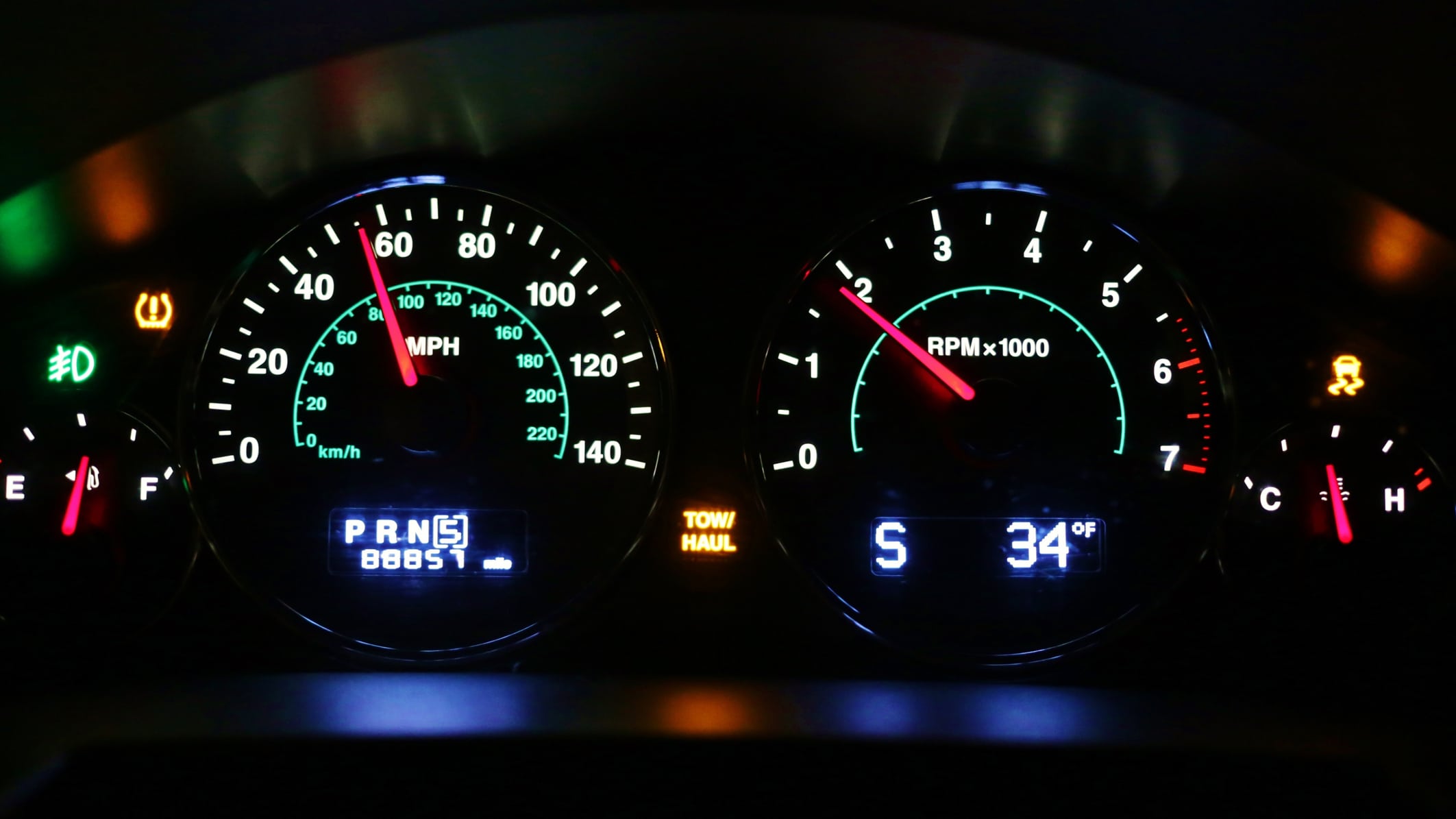
The arrow points to the side of the car where the fuel door is located.
If the arrow points left, your gas cap is on the left side of the vehicle.
If it points right, your gas cap is on the right side.
That’s it — simple, direct, and incredibly useful.
Instead of pulling up to the pump, stopping, and realizing you chose the wrong side, the arrow allows you to position your car correctly before you even stop. This saves time, avoids frustration, and prevents awkwardly stretching hoses across your vehicle.
Why So Many People Miss It
Despite how helpful it is, many drivers have no idea the arrow exists. That’s because it is small, subtle, and never explained when you buy a car. Driving instructors rarely mention it, and most owners discover it by accident or from a friend. People often assume the arrow is just part of the fuel gauge design, not realizing it is a functional indicator. Others confuse it with the low-fuel warning light. Because it isn’t labeled, it remains one of the best-kept secrets of modern cars.
How This Feature Came to Be
The fuel arrow was created to solve a real-world problem. In the past, drivers constantly had to lean out of their car windows or get out to check which side the gas cap was on. This was especially annoying at busy stations where choosing the wrong lane meant backing up or driving around again. Automotive designers realized this was an unnecessary inconvenience. By adding a simple arrow next to the gas pump icon, they created an instant visual cue that made refueling easier and more efficient. Over time, this small design change became standard in most vehicles around the world.
When the Arrow Isn’t There
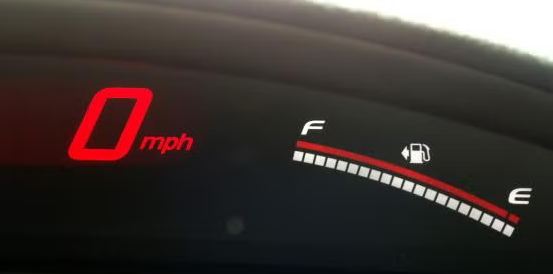
Some older cars or very basic models may not have the arrow. In those cases, you can look at the gas pump icon itself. Often, the side of the icon where the hose appears is the side where the fuel door is located. While this isn’t as reliable as the arrow, it can still help you make a better guess. However, most modern vehicles do include the arrow, even if drivers don’t realize it.
Why It Matters in Everyday Life
The little arrow is especially helpful in situations such as:
- Renting a car while traveling
- Driving a borrowed vehicle
- Using a company car
- Pulling into crowded or tight gas stations
- In these moments, guessing wrong can slow you down and create unnecessary stress. The arrow removes the guesswork and makes refueling faster and smoother.
A Tiny Feature With Big Value
It’s surprising how such a small detail can make such a big difference. The arrow doesn’t just save time — it prevents embarrassment, confusion, and wasted movement. It shows how thoughtful design can quietly improve everyday experiences without people even realizing it. So the next time you pull into a gas station, take a quick look at your fuel gauge. That tiny arrow is there to guide you, making sure you always end up on the right side of the pump.