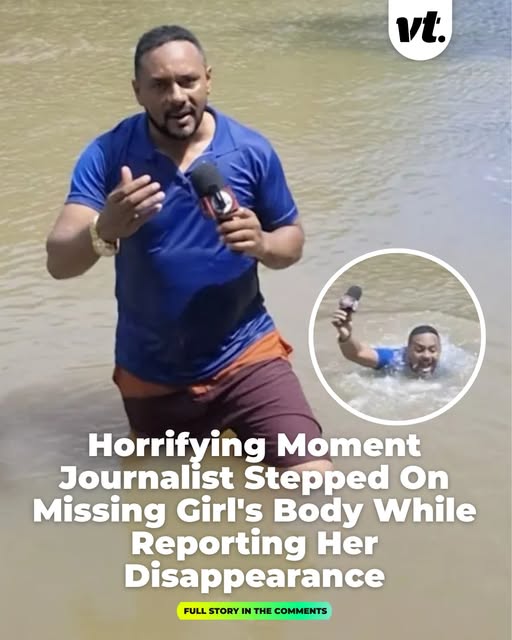
A disturbing scene unfolded in northeastern Brazil during a live report about a missing teenager, when a journalist unexpectedly came into contact with what appeared to be the victim’s body mid-broadcast. The moment was captured on camera and sparked shock across social media and international news outlets.
What Happened on the Riverbed
The incident took place at the Mearim River in Bacabal, Maranhão state, where a 13-year-old girl named Raíssa had gone missing after swimming with friends. Reporter Lenildo Frazão was creating a segment to show viewers how deep the river was and to illustrate the conditions under which the girl might have gotten into trouble. While waist-deep in the water, Frazão suddenly flinched, jumped backward, and exited the river after feeling something brush against his leg on the riverbed. Video footage shows him visibly alarmed, saying he thought he had felt “something at the bottom” and wondering aloud whether it could have been the missing teenager — though he also speculated it might have simply been a fish.
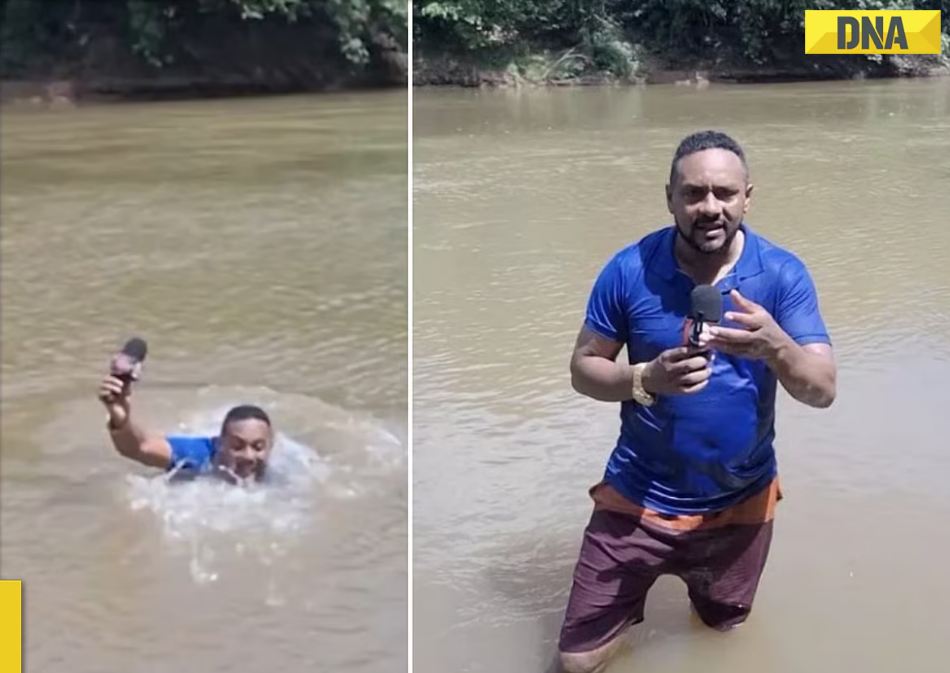
Search Teams Recover the Girl’s Body
Following the report, rescue teams resumed their search in the same area. Firefighters and divers subsequently located Raíssa’s body at the very spot where the journalist had stood. Authorities later confirmed that she had drowned accidentally while swimming, and a post-mortem examination found no signs of physical trauma. Local officials and community members responded with mourning. The girl’s school declared three days of mourning, and a candlelit vigil was held to honor her memory.
Journalistic Intent and Reaction
Frazão’s segment was intended to inform the public about the depth and hazards of the river — conditions that complicated the search efforts and may have contributed to the girl’s disappearance. During the broadcast, he expressed concern about the water’s currents and uneven riverbed, conditions that can be deceptive and dangerous for swimmers. Despite his startling experience, it remains unclear whether the journalist actually stepped directly on the body itself or merely sensed something beneath him. Regardless, the eerie moment underscored the challenges faced by both search teams and news crews when covering missing person cases in difficult terrain.
Community Mourning and Aftermath
After the body was found, Raíssa’s burial took place promptly on June 30, as family, friends, and community members gathered to pay their respects. The public reactions highlighted the heartbreak surrounding the loss of a young life and the emotional toll such tragedies have on tight-knit communities. Officials reminded residents about water safety and the risks associated with swimming in rivers with strong currents and deep sections, particularly during warmer weather when such activities are common.
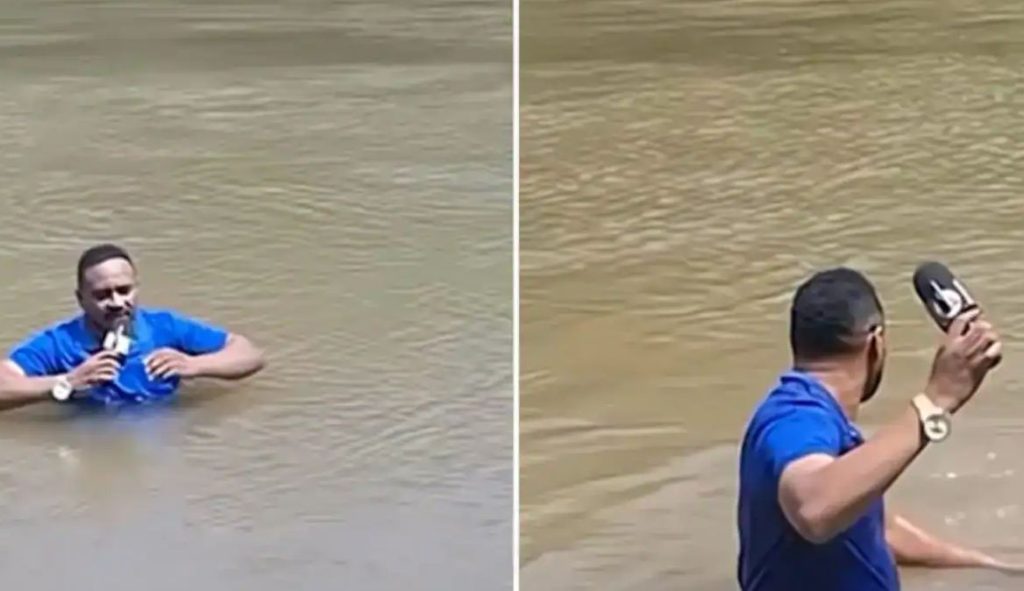
Context: Reporting in Hazardous Conditions
Journalists covering stories involving missing people or disaster zones often face unpredictable situations. Getting close to the environment where events occurred — such as rivers, cliffs, or rough terrain — can expose reporters to the same hazards that affected the victims they are trying to document. In this case, Frazão’s intent was to provide context and depth to his audience about the physical environment linked to Raíssa’s disappearance. While the interaction between the reporter and the scene was unsettling, it served as a dramatic and tragic reminder of the serious risks that can accompany on-location journalism.