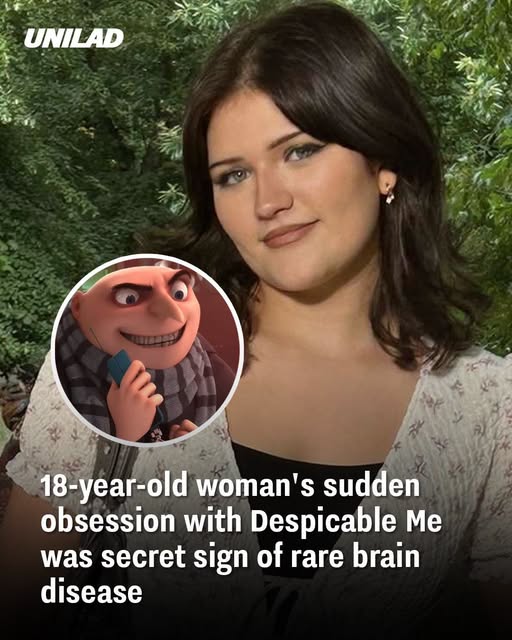
For many young children, watching the same Disney movie over and over again is perfectly normal. Favorite characters, familiar songs, and comforting storylines often become part of a child’s daily routine. But for one family, what initially appeared to be an innocent fascination with Disney films turned out to be the first sign of a rare neurological disorder.
The child’s parents noticed that his love for Disney movies became increasingly intense. Rather than simply enjoying his favorite films, he developed an overwhelming fixation that began affecting his daily life. At first, the behavior was easy to dismiss as a passing childhood phase, but other troubling symptoms soon emerged.
Concerning Changes Began to Appear
As time went on, the family observed changes that extended far beyond an interest in animated movies. The child became more withdrawn and began losing abilities he had previously mastered, including developmental skills that had once come naturally. This type of developmental regression is considered a significant warning sign by medical professionals. When children lose language, motor, or cognitive skills they had already acquired, doctors often investigate whether an underlying neurological condition could be responsible. Following numerous medical appointments, specialist evaluations, and extensive testing, doctors diagnosed the child with a rare genetic brain disorder that affects normal neurological development.
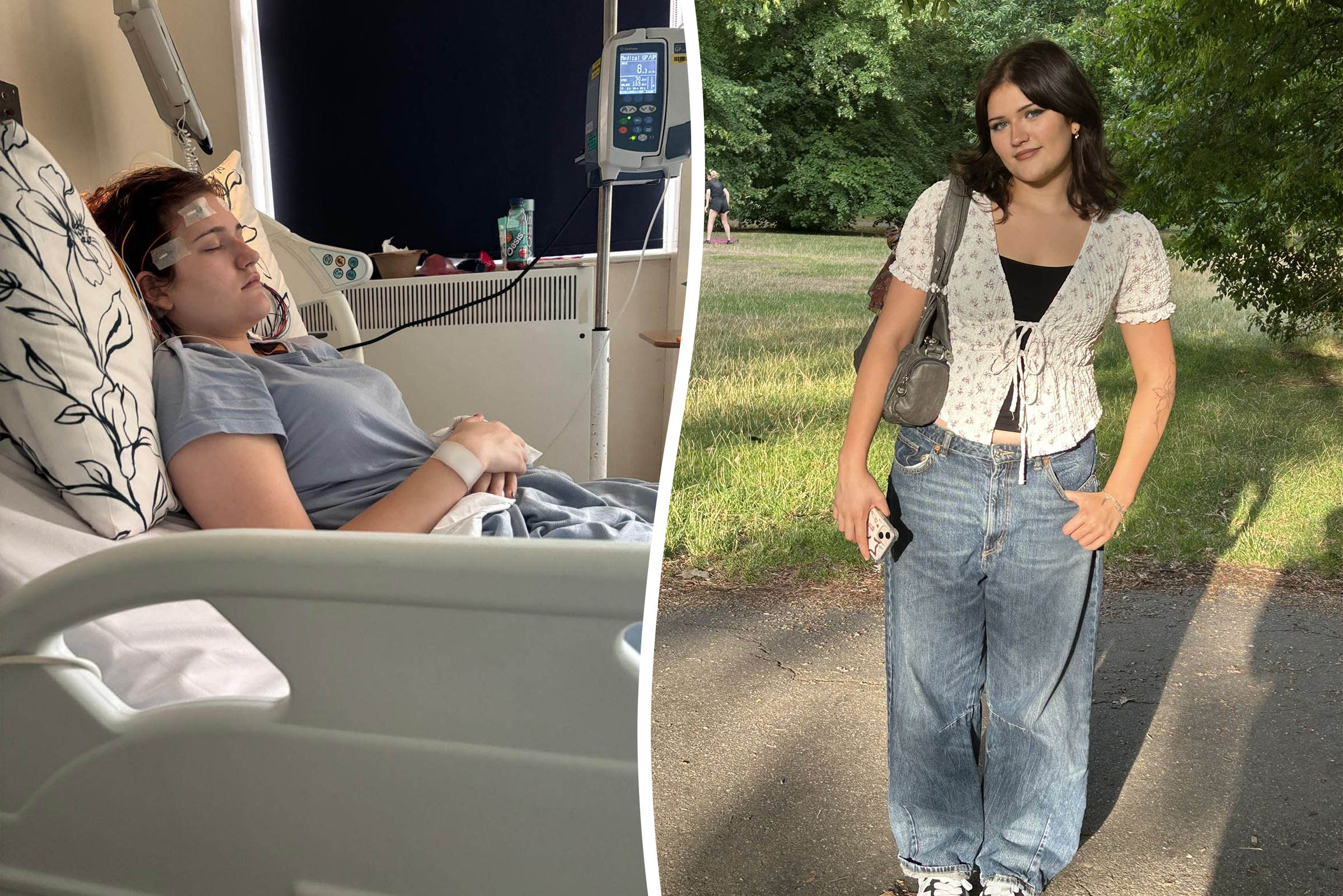
Why Rare Brain Disorders Can Be Difficult to Diagnose
Rare neurological conditions often present a major diagnostic challenge. Because many symptoms overlap with common childhood behaviors, families may spend months or even years searching for answers. Children frequently develop strong interests in particular television shows, books, toys, or hobbies. These intense interests are generally considered a normal part of development and usually fade naturally over time. However, healthcare professionals emphasize that when repetitive interests occur alongside developmental regression, personality changes, seizures, movement problems, or significant cognitive decline, further medical evaluation becomes essential. The family’s experience illustrates how difficult it can be to distinguish between ordinary childhood behavior and the early signs of a serious medical condition.
The Importance of Early Recognition
Although many rare genetic brain disorders cannot currently be cured, obtaining an early diagnosis can significantly improve care. Identifying the condition sooner allows families to access therapies, educational support, rehabilitation services, and ongoing medical monitoring that may help manage symptoms and improve quality of life. Early diagnosis also provides valuable information for parents, helping them better understand their child’s condition while connecting them with specialists and support networks experienced in treating rare neurological diseases. Medical experts encourage parents to trust their instincts if they notice persistent behavioral changes or developmental regression. While most childhood obsessions are harmless, dramatic or unexplained changes deserve professional evaluation.
A Reminder Not to Jump to Conclusions
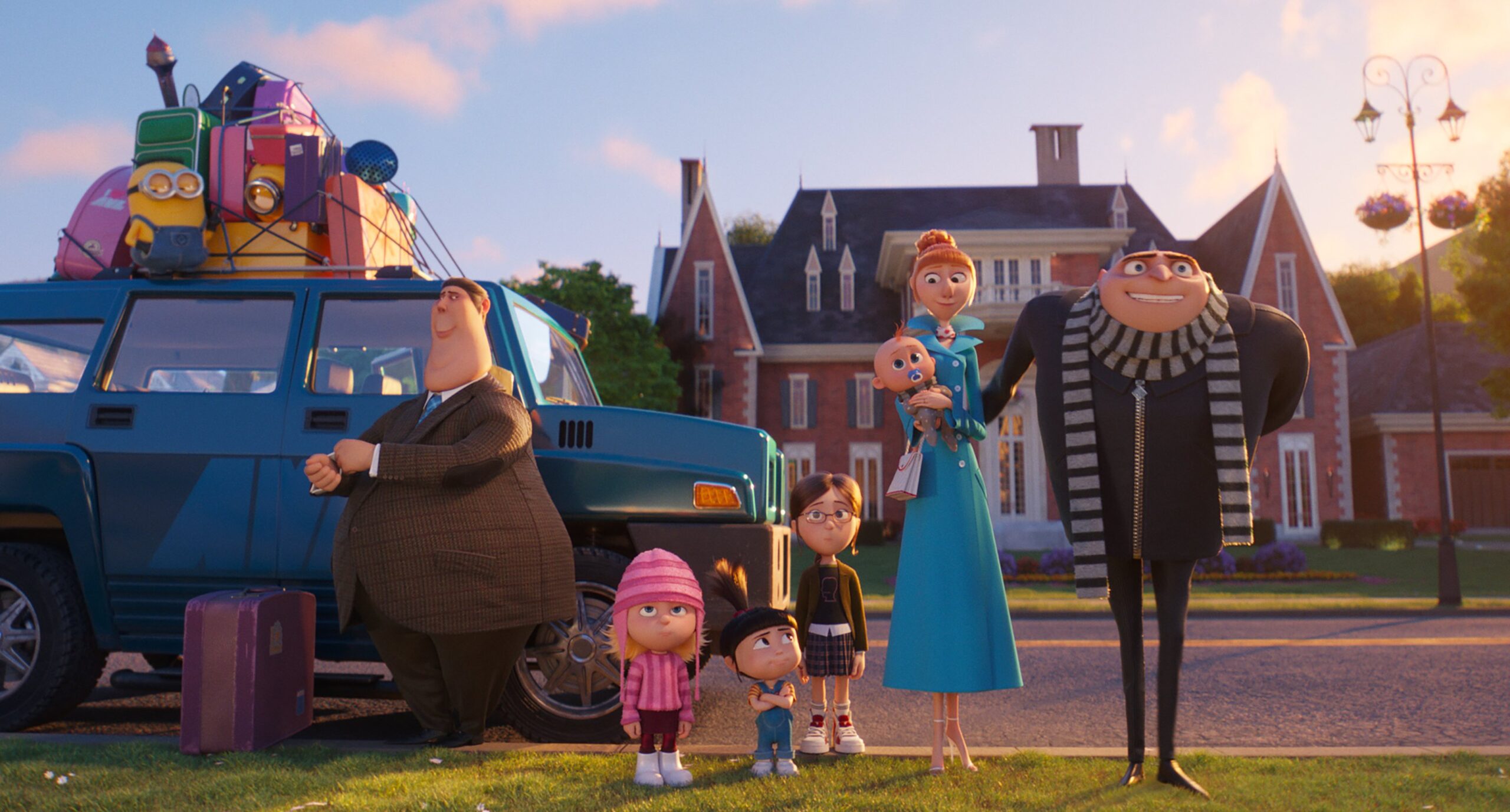
Experts stress that this story should not alarm parents whose children enjoy watching Disney movies repeatedly. Millions of children go through phases where they become deeply interested in specific films, characters, or television shows, and this behavior alone is not considered a sign of illness. Instead, the family’s experience serves as a reminder that behavior should always be viewed in context. An intense interest becomes medically significant only when it is accompanied by other concerning neurological symptoms or developmental changes. By sharing their story, the family hopes to raise awareness of rare brain disorders and encourage earlier recognition of warning signs. Their journey demonstrates that sometimes seemingly ordinary behaviors can provide important clues to hidden medical conditions, helping families seek answers and receive the care their children need as early as possible.