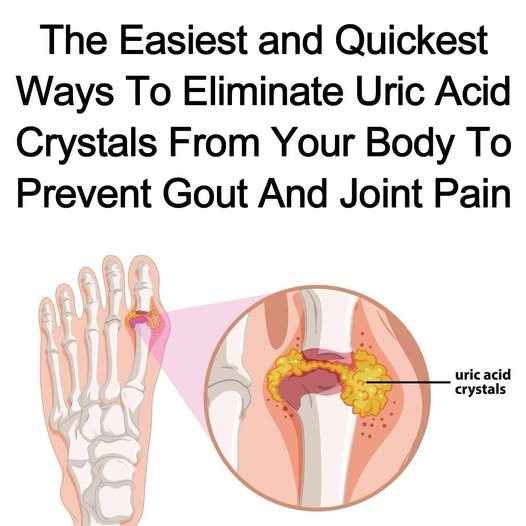
Gout is a form of arthritis that causes sudden and severe joint pain, swelling, redness, and stiffness. It most often affects the big toe first, but it can occur in any joint. Gout happens when uric acid levels in the bloodstream become too high, leading to the formation of sharp crystals that collect in joint tissue. These crystals trigger inflammation and intense discomfort.
Chronic joint pain is a broader term that covers ongoing discomfort in joints caused by inflammation, wear-and-tear, autoimmune conditions, or metabolic imbalances. While medications can help manage symptoms, many people also seek natural approaches to support longer-term wellbeing and reduce painful flare-ups. Using natural strategies doesn’t necessarily replace medical treatment, especially for moderate to severe cases, but it can be a helpful complement to overall management. Below are effective, research-backed approaches that can help provide relief.
Adjust Your Diet to Reduce Uric Acid
What you eat plays a major role in uric acid levels. Consuming foods high in purines — substances that break down into uric acid — can increase the risk of painful flare-ups.

Foods to Limit or Avoid
- Red and organ meats like liver and kidney
- Certain seafood, especially shellfish
- Sugary beverages and high-fructose products
- Alcohol, particularly beer and spirits
- Foods That May Help
- Low-purine vegetables such as zucchini, kale, and leafy greens
- Cherries and berries, which contain compounds linked with lower inflammation
- Citrus fruits and other foods high in vitamin C
- Whole grains and legumes
Making mindful changes to your diet can help stabilize uric acid levels and foster a healthier inflammatory response.
Hydration and Its Benefits
Drinking enough water is one of the simplest but most powerful steps for joint health. Proper hydration supports efficient kidney function, which helps to flush excess uric acid from the body before it can form painful crystals in the joints. Aim for at least eight glasses of water a day, and more if you’re physically active or live in a hot climate. Reducing sugary drinks and replacing them with water helps lower inflammation and keeps the body functioning optimally.
Herbs, Supplements, and Natural Compounds
Several natural compounds have shown promise in easing inflammation and supporting joint health:
Tart Cherry Extract
Tart cherries have antioxidants called anthocyanins that may help reduce inflammation and uric acid levels, making them a popular choice among individuals seeking gout relief.
Turmeric and Ginger
Both spices contain anti-inflammatory compounds. Turmeric’s active ingredient, curcumin, and ginger’s gingerols can help soothe swelling and reduce pain with consistent use.
Apple Cider Vinegar
Though anecdotal, many people report relief when adding small amounts of apple cider vinegar to their daily routine. It’s believed to support digestion and balance pH levels, though scientific findings are mixed.
Lifestyle Habits That Support Joint Health
Maintain a Healthy Weight
Extra weight can place added stress on joints and contribute to inflammation. Even modest weight loss has been shown to improve gout symptoms and reduce joint strain.
Moderate Exercise
Regular low-impact activity such as walking, swimming, or cycling helps maintain joint mobility and can reduce pain over time. Exercise also supports overall circulation and healthy metabolism.
Rest and Temperature Therapy
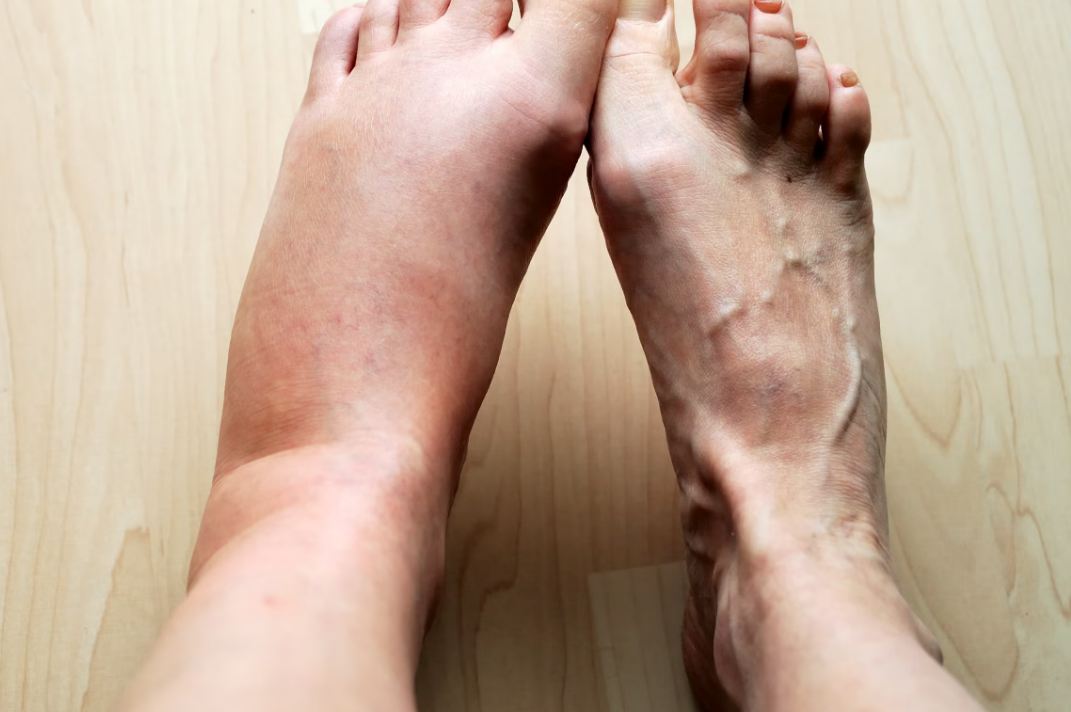
During a gout flare-up, rest is critical. Applying ice packs can help calm intense pain and swelling, while warm compresses or baths can ease stiffness when flares subside.
When to Seek Medical Help
Natural approaches can be valuable for managing mild symptoms and supporting long-term health, but they shouldn’t replace professional medical treatment when needed. If you experience:
- Intense, recurring flare-ups
- Joint deformity or persistent pain
- Fever or infection symptoms
- …seek medical evaluation. Therapies like prescription medication, joint fluid analysis, or targeted treatment plans might be essential for your health and comfort.
Building Your Personal Plan
Everyone’s experience with gout and joint pain is unique. Start by adjusting diet and hydration, and gradually incorporate herbs or movement routines. Tracking symptoms can help you identify triggers and improvements over time. Taking a holistic approach — combining nutrition, lifestyle, and thoughtful self-care — empowers you to reduce discomfort and improve your quality of life naturally.