There’s a widespread online notion that chicken from supermarkets is soaked in harmful chemicals and that there’s some secret method to “remove” them at home. In reality, the situation is much less alarming and far better regulated than many sensational articles suggest.
What Happens to Chicken Before It Gets to You
Poultry sold in stores does go through processing, and sanitary measures are used at slaughterhouses to reduce harmful bacteria like Salmonella and Campylobacter — the main real food‑safety risk in raw chicken. In the U.S., chickens may be rinsed or sprayed with antimicrobial solutions such as organic acids or, historically, dilute chlorine solutions to help control bacteria after slaughter. These methods are approved and regulated because they significantly reduce microbial contamination and help prevent foodborne illness. Today, the majority of poultry processors use organic acid treatments, such as peracetic acid (a vinegar‑ and hydrogen peroxide–based solution), rather than chlorine. Chlorine rinses are now used in only a small percentage of plants, and international regulators — including those in countries that ban such practices — have found that chemical residues at approved levels do not pose a health risk to consumers.
Can You “Remove Chemicals” by Washing?
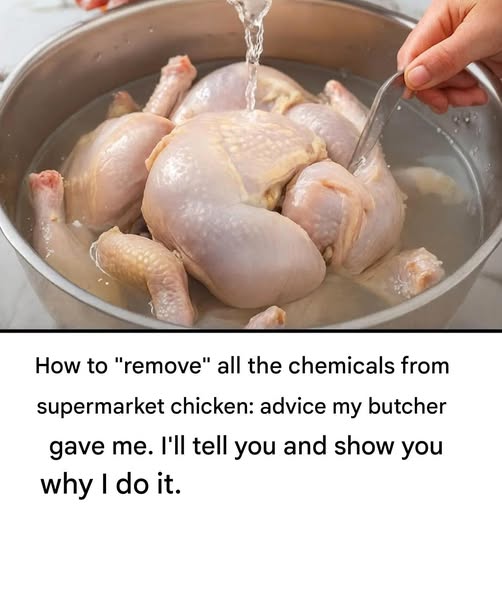
Many popular web posts suggest washing chicken to get rid of residues, but this idea is not supported by food safety authorities. According to the U.S. Department of Agriculture (USDA), washing or rinsing raw poultry does not remove bacteria or chemicals, and it can actually increase the risk of spreading harmful microbes around your kitchen through splashing. The only reliable way to make chicken safe is thorough cooking — internal temperature of 165 °F (74 °C) — which kills bacteria.
What Really Matters: Safe Handling and Cooking
Instead of trying to wash off “chemicals,” focus on proven food safety practices:
1. Handle Raw Chicken Safely
Keep raw chicken separate from other foods, especially ready‑to‑eat items; use separate cutting boards and utensils to avoid cross‑contamination.
2. Clean Hands and Surfaces
Wash your hands thoroughly with soap and water after touching raw poultry, and clean countertops, cutting boards, and tools.
3. Cook Properly
Cook chicken to a safe internal temperature (165 °F / 74 °C). This is the only reliable way to destroy bacteria like Salmonella.
4. Store Correctly
Keep raw chicken chilled at 40 °F (4 °C) or below and cook or freeze it before the use‑by date to prevent bacterial growth.
The Real “Invisible Risk” Isn’t Chemicals
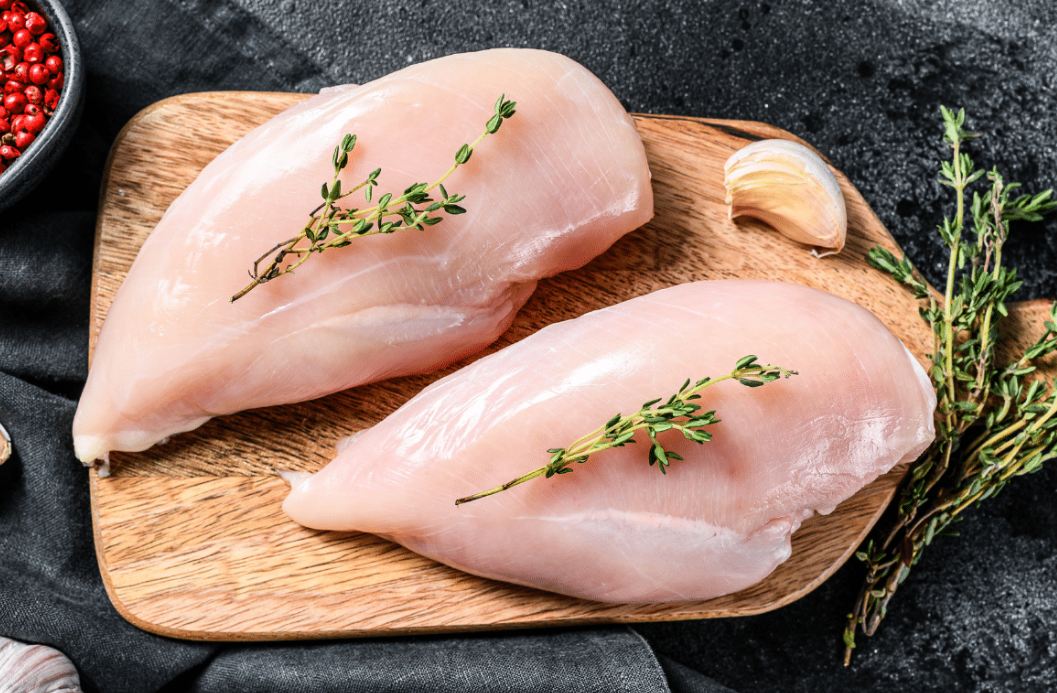
The biggest contamination risk with supermarket chicken is bacteria, not synthetic chemicals. Modern processing aims to reduce bacteria to safe levels, and regulatory agencies monitor residues. Chemicals used in processing are typically low‑risk antimicrobial agents that are considered safe at the levels permitted.
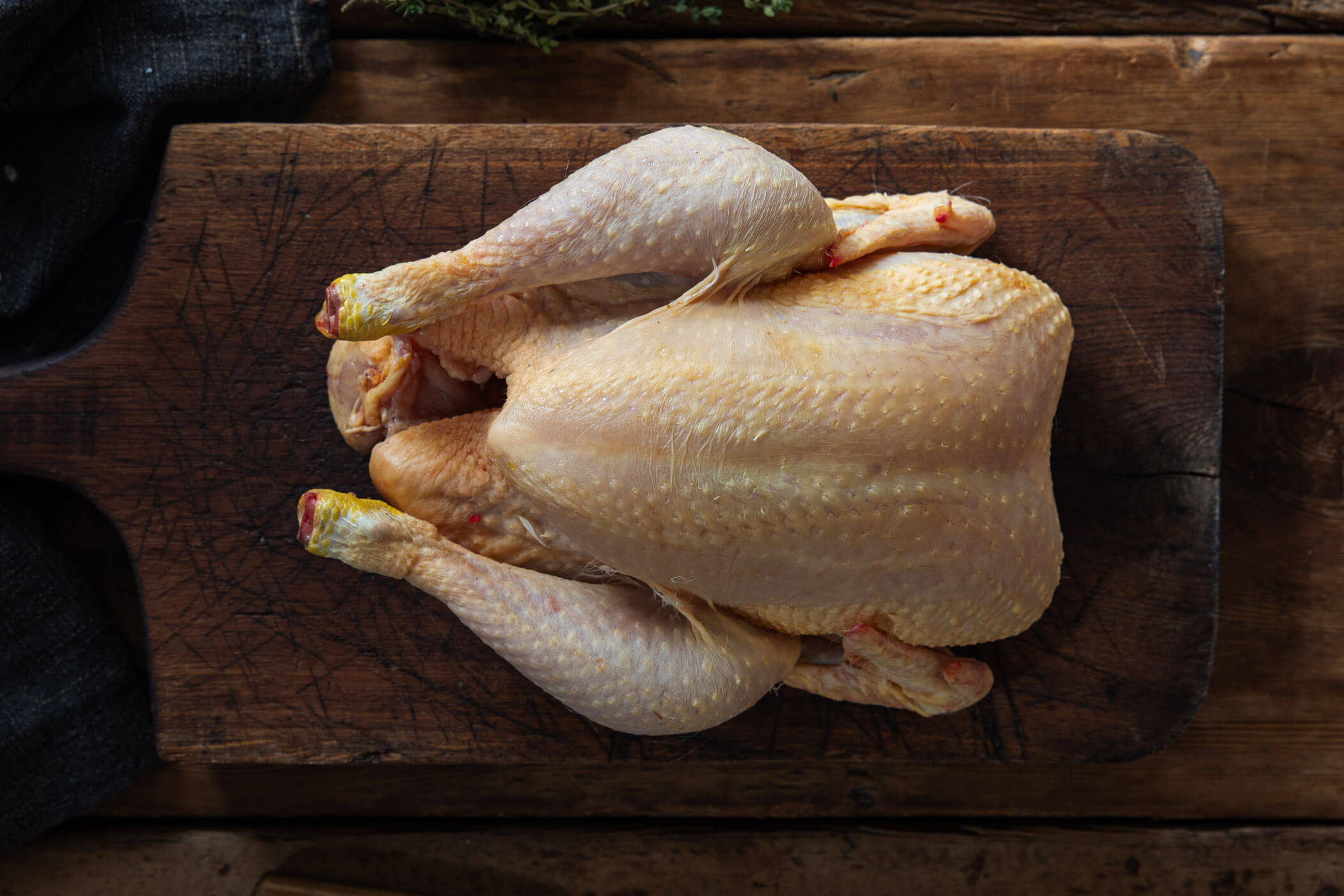
Choosing Chicken You’re Comfortable With
If you’re concerned about processing methods:
- Look for air‑chilled chicken, which cools the meat with cold air instead of water baths.
- Choose poultry labeled organic or raised without added solutions, if those designations align with your preferences.
- Buy from local farmers or trusted sources where you can ask about processing practices.
- These options can help you match your food choices with your values, but they don’t replace safe handling and cooking practices.
Bottom Line
There’s no quick home technique that “removes chemicals” from supermarket chicken — and that’s because there’s no hidden toxic cocktail lurking in it. The poultry you buy has been processed under strict safety standards, and the best way to protect yourself and your family is to handle it carefully, prevent cross‑contamination, and cook it thoroughly, rather than relying on unverified internet remedies.