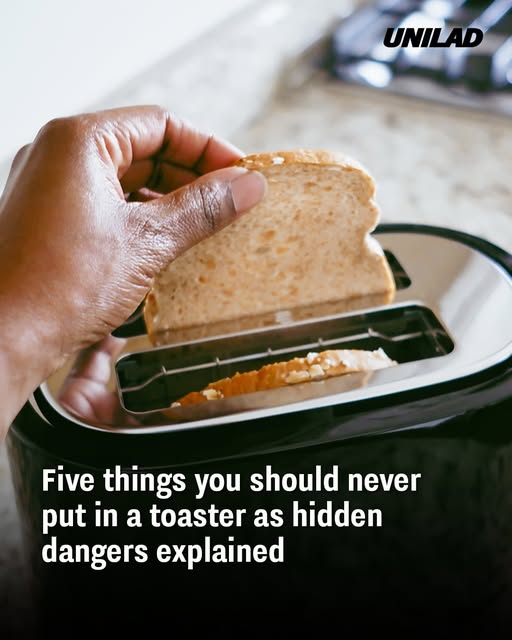
Toasters are simple, everyday appliances that most people barely think about. You push a lever, the coils heat up, and a few minutes later you have warm toast. But despite how ordinary they seem, toasters can be surprisingly dangerous when used incorrectly. A moment of carelessness — or an attempt to improvise — can turn a harmless kitchen routine into a serious safety risk. Understanding what should never go inside a toaster can prevent burns, electrical hazards, and even fires.
The Hidden Dangers Inside a Toaster
Inside every toaster are electric heating elements that reach high temperatures in a very short time. These coils sit close to the slots where bread is inserted. Anything that melts, drips, sparks, or interferes with the normal heating process can cause problems instantly. Toasters are not built to handle irregular shapes, liquids, or conductive materials. When something inappropriate enters the device, it can catch fire, melt onto the heating elements, or conduct electricity — turning a quick breakfast into a dangerous accident.
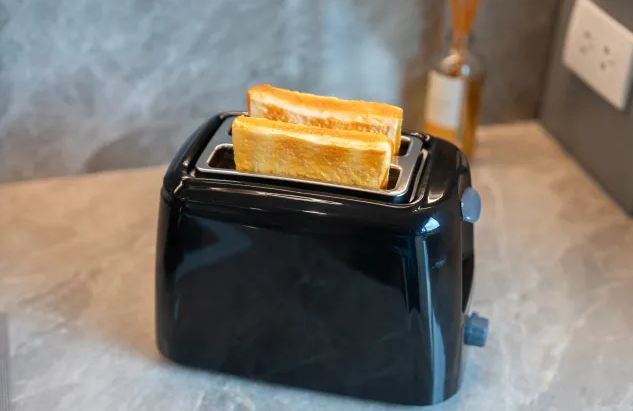
1. Metal Objects
This is one of the most important rules: never insert metal. Forks, knives, skewers, or any similar object can instantly conduct electricity from the heating elements. Not only does this risk electrocution, but it can also cause sparks and fires. Many people attempt to use a utensil to retrieve stuck bread. Instead, always unplug the toaster first and wait until it cools before removing anything.
2. Buttered or Oily Bread
Placing buttered bread, oily pastries, or items coated in spreads directly in the toaster can cause melted fats to drip onto the heating coils. Since oil ignites easily at high temperatures, this significantly increases the risk of smoke or fire. If you want buttery toast, spread it after the bread has been toasted, not before.
3. Cheese, Toppings, or Filled Foods
Cheese melts into thick, sticky strings that can drip deep into the toaster. Not only does this create a cleaning nightmare, but it can also cause burning, smoke, and potential fire. Foods like sandwiches, toaster pastries with overflowing fillings, or anything with melted toppings should be heated in safer appliances like ovens, grills, or air fryers.
4. Oversized Items
Large slices of bread, bagels that don’t fit, waffles that poke out, or anything that forces the toaster open can lead to uneven heating or clog the mechanism. When food sticks, people often try to yank it out — introducing another safety hazard. Always choose items that fit comfortably in the toaster slots.
5. Wet or Frozen-Over Items
Damp items, defrosting foods, or anything covered in frost can introduce moisture where it doesn’t belong. Water and electricity do not mix well. Moisture can cause short circuits, sparks, or internal damage that makes the toaster unsafe in the future.
How to Use a Toaster Safely
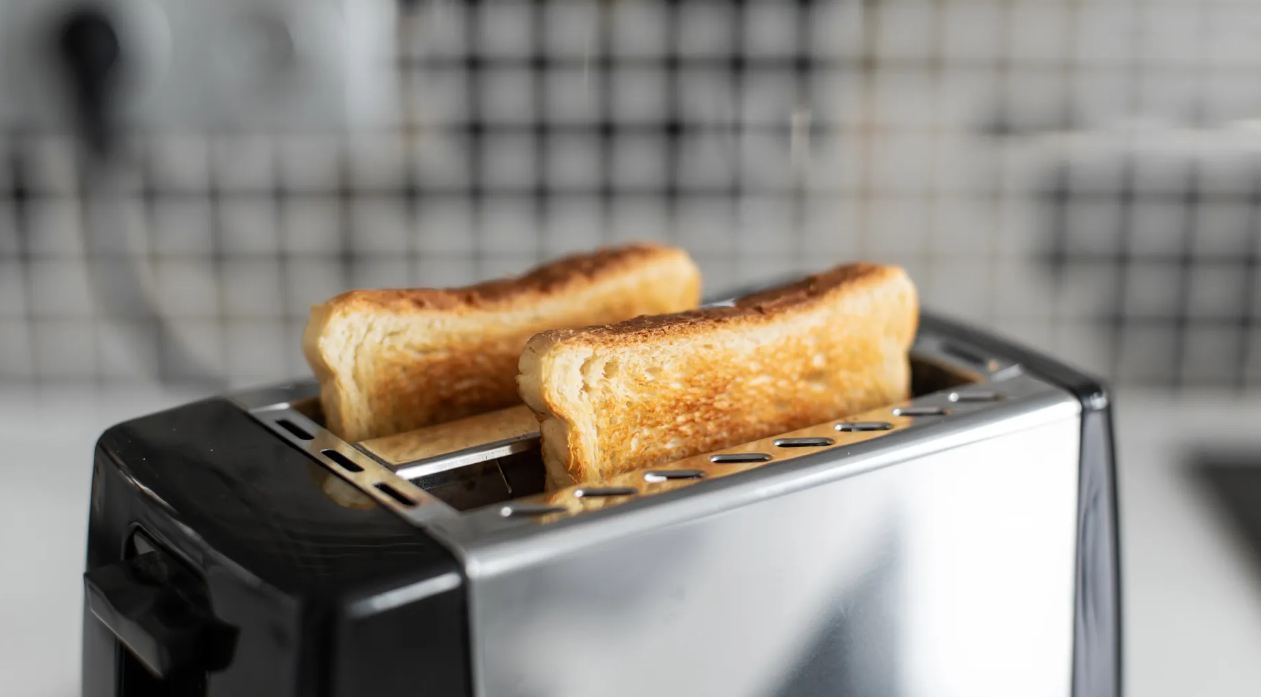
The safest way to use a toaster is to keep things simple: dry bread, standard pastries, or toaster-safe products that are designed not to drip or melt excessively. Clean out crumbs regularly to avoid buildup that can burn or ignite. If something gets stuck, unplug the appliance before touching anything. Always place the toaster on a heat-resistant surface and keep it away from curtains, napkins, or paper towels. Never leave it running unattended.
A Small Appliance With Big Safety Responsibilities
A toaster may look harmless, but one wrong item can turn it into a serious hazard. By understanding what shouldn’t go inside and treating the device with care, you can avoid unnecessary risks. A few simple habits can turn breakfast back into what it should be — easy, comforting, and safe.