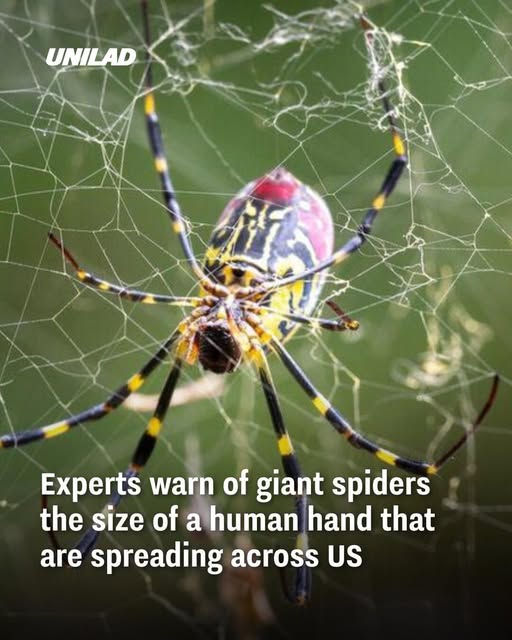
A growing number of Americans are being startled by sightings of enormous, brightly colored spiders appearing in backyards, gardens, and wooded areas. The species attracting so much attention is the Joro spider, an invasive arachnid originally native to East Asia. While its large size and dramatic appearance have sparked fear online, experts say the reality is less alarming than the headlines suggest.
What Is a Joro Spider?
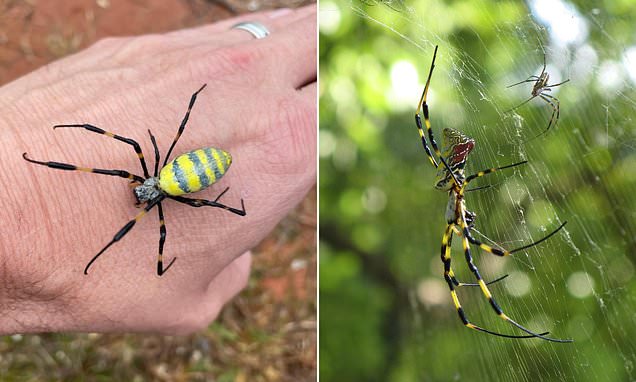
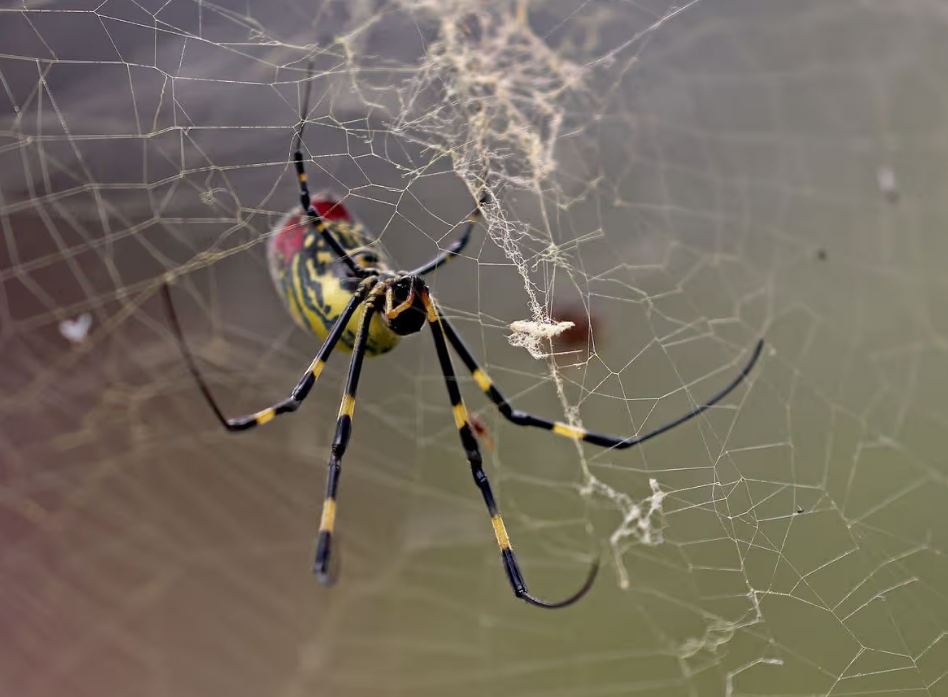
The Joro spider is known for its striking appearance. Female Joro spiders are especially noticeable, with vivid yellow bodies and markings that can include blue, black, and red tones. Their long legs can create an intimidating look, and some can appear to have a leg span of up to four inches. Because of this, many people describe them as “giant” spiders, even though they are not the largest species in the world. Their webs are also impressive. Joro spiders spin large, strong webs that can stretch between trees, shrubs, porches, and fences. These webs often catch the morning light, making them easy to spot. In areas where the spiders are common, people may suddenly find multiple webs appearing around their homes.
How Did They Arrive in the U.S.?
Scientists believe Joro spiders first entered the United States more than a decade ago, most likely by accidentally hitching a ride in shipping containers or cargo. Since then, they have established themselves in several states and have continued expanding their range. Georgia is widely considered one of the first places where the species became established. From there, the spiders began appearing in nearby states, and sightings have continued to increase over time. Their ability to survive in a range of climates has made it easier for them to spread than many initially expected.
Why Are They Spreading So Quickly?
One reason Joro spiders are spreading is their ability to adapt. Researchers say they can tolerate colder temperatures better than originally thought, which means they are not limited to warmer southern states. This has raised expectations that they may continue moving farther north. Another factor is how young spiders travel. Like many spider species, baby Joro spiders can use a method called “ballooning,” where they release silk threads that catch the wind and carry them over long distances. This natural movement helps them spread beyond the areas where they were first introduced.
Are They Dangerous to Humans?
Despite frightening descriptions, Joro spiders are not considered a major threat to people. Like most spiders, they do possess venom used to subdue prey, but they are generally shy and not aggressive toward humans. Bites are believed to be rare, and experts say they are more likely to avoid people than attack. For most households, the biggest issue is discomfort and surprise rather than danger. Seeing a large, colorful spider hanging in a huge web can be unsettling, but the species is not known for causing serious harm.
A Growing Presence, But Not a Monster Invasion
The spread of Joro spiders is real, and their population may continue to expand across more parts of the United States. However, the dramatic fear surrounding them often goes beyond what experts say is justified. While they may be invasive and visually startling, they are best viewed as a strange and unusual newcomer rather than a terrifying public threat.