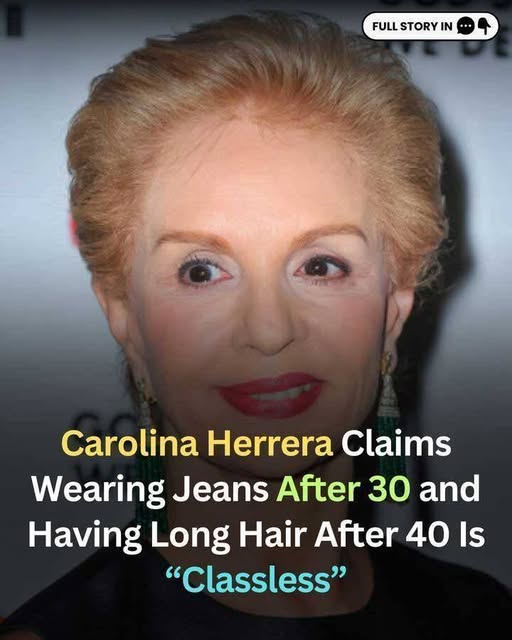
Renowned Venezuelan‑American fashion designer Carolina Herrera, known globally for her elegant designs and classic aesthetic, recently became the center of a social media debate after remarks attributed to her about personal style and aging. Herrera, who began her fashion career later in life and built a world‑famous label celebrated for timeless sophistication, made comments suggesting that certain fashion choices are better suited to youth. These remarks particularly about long hair and casual clothing like jeans — have ignited a wave of reactions ranging from support for refined dressing to criticism that her views are outdated and exclusionary.
What She Was Reported to Say
According to widely circulated reports, Herrera stated in an interview that women over a certain age who wear long hair or jeans lack class. The designer reportedly said that “only classless women wear long hair after 40” and suggested miniskirts, bikinis, and jeans are more appropriate for younger people. These kinds of remarks, framed around the idea that clothing and hairstyles should reflect age in a specific way, immediately sparked strong reactions online. Herrera built her brand on a philosophy of elegance and timeless style. Her fashion house is associated with classic silhouettes, luxurious fabrics, and polished dressing that many view as aspirational. However, those exact aesthetics may play into perceptions that she believes only a certain look qualifies as “classy.”

Backlash and Public Reaction
Social media users and fashion commentators quickly weighed in, with many criticizing Herrera’s alleged statements as elitist and out of touch. Critics argued that style is personal and that labeling everyday attire or specific hairstyles as “classless” unfairly judges individual choices. Responses ranged from humorous memes to serious discussion about how fashion can be inclusive and expressive, regardless of age. Opponents of Herrera’s remarks also pointed out that beauty and style norms have shifted dramatically in recent decades, and rigid views about how grown‑ups should dress or wear their hair may be seen as restrictive rather than empowering. Influencers and everyday commenters shared images of stylish older women with long hair and casual wardrobes to challenge the idea that such choices lack sophistication.
Supporters and Context
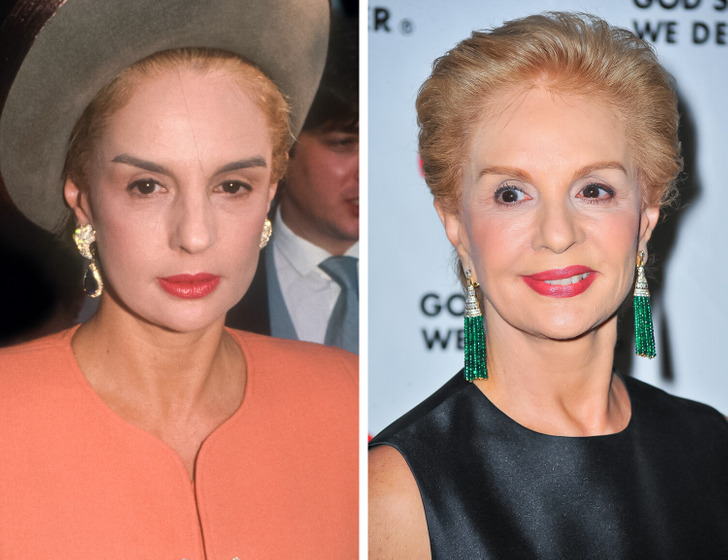
Some defenders of Herrera’s perspective suggested that her comments were misunderstood or taken out of context. They emphasized that fashion designers often speak in hyperbolic or stylistic terms, and that Herrera’s brand has always emphasized classic tailoring and elegant simplicity rather than trend‑driven casual wear. To supporters, her remarks were less about condemning individual choice and more about championing a particular vision of refined style that has defined her career. Others noted that Herrera herself launched her label at age 42 and continued to innovate for decades, suggesting her success defies any rigid notion of age‑based fashion rules. Her unique personal style has made her a long‑standing icon in the fashion world, respected by peers and worn by celebrities, political figures, and public personalities alike.
The Larger Conversation About Age and Style
The controversy touches on broader questions about how personal style intersects with age, identity and societal expectations. Fashion historically has been both a reflection of cultural norms and a challenge to them. In recent years, many designers, influencers and brands have broadened the conversation around inclusivity, encouraging people to express themselves freely through clothing and grooming at any stage of life. Critics of Herrera’s alleged comments argue modern style culture celebrates diversity in expression and rejects narrow definitions of what is considered elegant or appropriate. People across generations are blending classic pieces with casual staples like denim and experimenting with a variety of hairstyles, proving that fashion is increasingly fluid rather than prescriptive.
Conclusion
Carolina Herrera’s reported remarks about long hair and jeans sparked a lively debate about style, aging and individuality. While she has long been associated with timeless, refined design, critics argued her comments could exclude many valid forms of personal expression. The discussion highlights how fashion continues to evolve and how public figures’ opinions can influence broader cultural conversations about beauty, age and self‑expression.