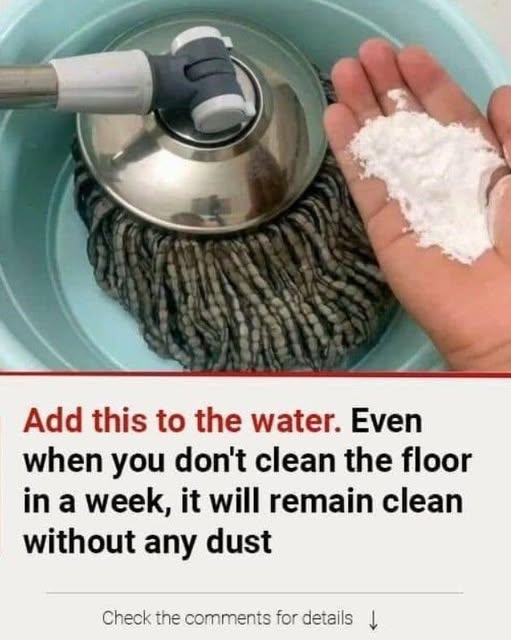
There’s a popular cleaning tip circulating online that suggests adding a tiny amount of a specific liquid (often glycerin) to your mop water so that, after mopping, your floors stay almost dust‑free for days or even up to 10 days without heavy cleaning. The idea comes from cleaning professionals who use similar techniques in museums to slow down dust settling on surfaces and valuable items.
While there’s limited formal research on just how long this effect lasts in everyday homes, adding certain substances can leave a thin protective layer on floor surfaces that may make dust less likely to stick quickly after you clean.
What You Might Add to Your Mop Water
Here are some common ingredients people use or recommend that can help with cleaning and leaving a fresh, cleaner feel:
🍋 Citrus (Lemon or Orange)
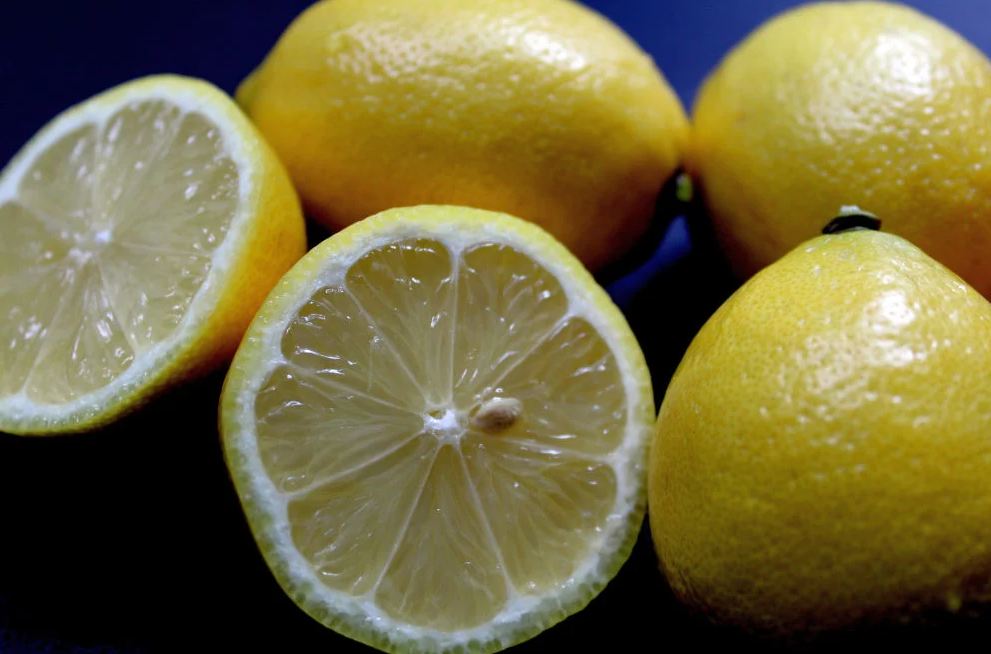
Adding a small amount of citrus juice (like lemon) to your mop water can help cut through grease and leave a fresh scent. Acidic citrus also gently breaks down grime on the surface, improving cleaning results.
How to use:
Squeeze about half a cup of lemon juice into a bucket of warm water before mopping.
🌿 Essential Oils
A few drops of essential oils such as lemon, orange, eucalyptus, or lavender can make your floors smell great and may help with degreasing and reducing musty odors.
Tip: Use about 8–10 drops per bucket of water — and exercise caution around pets or children, as some oils can be strong.
💧 Glycerin (Museum Cleaning Trick)
Some cleaning pros recommend adding a tiny drop of glycerin to mop water because it leaves a subtle, invisible layer that can slow down how quickly dust settles on cleaned floors. This is the trick referenced in popular cleaning blogs and lifestyle sites. Note: A little goes a long way — only a few drops in a full bucket are typically enough.
Why You Shouldn’t Rely Only on Additives
Even with added oils or glycerin:
Floors still attract dust as air circulates and tiny particles settle from the environment.
- Protective layers aren’t permanent — they eventually wear off with walking traffic and footfall.
- Real dust control depends on habits and tools, not additives alone.
- Experts still recommend regular basic cleaning (like vacuuming and mopping) because dust can build up over time, and surface treatments won’t stop it indefinitely.
Better Ways to Reduce Dust Between Cleanings
In addition to using cleaning solutions, there are practical steps that actually help keep dust down longer:
🧹 Vacuum and Dust First
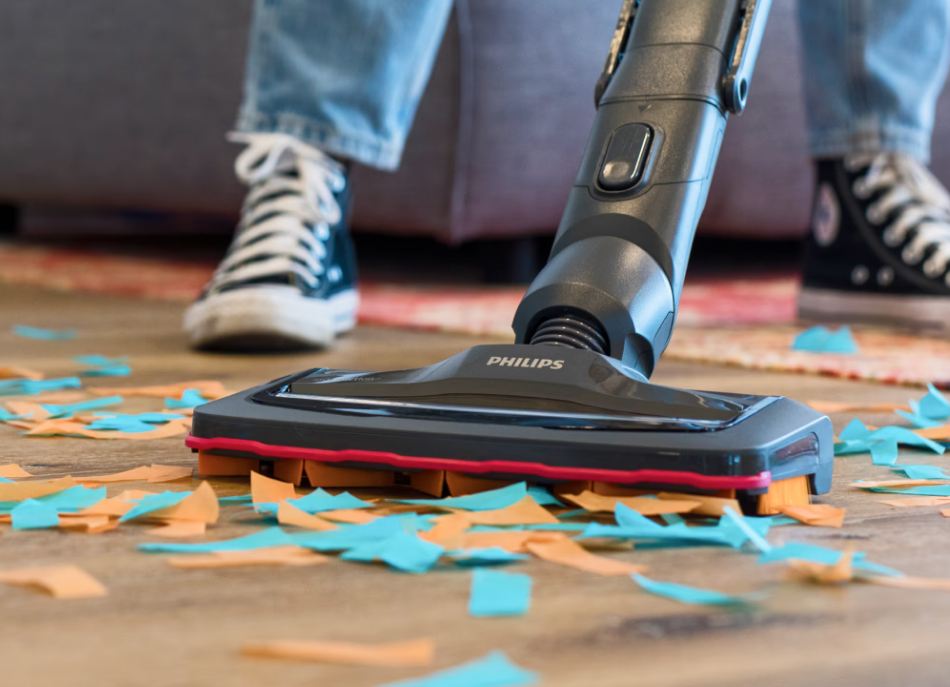
Dust and vacuum floors and surfaces before mopping so that water doesn’t just push dust around or make it sticky. Microfiber dusters are especially effective at holding dust instead of scattering it.
🤖 Use a Robot Vacuum or Regular Cleaning Routine
Robot vacuums can keep floors free of loose dust without weekly effort, and models with both vacuum and mop functions are ideal for maintaining hard floors.
🪟 Control Dust at the Source
Open windows less on windy days, use air purifiers, and consider changing HVAC filters regularly — these reduce the amount of dust that enters and settles inside.
Final Takeaway
There’s no miracle ingredient you can simply pour into water that will make your floors stay perfectly dust‑free forever. However, small additions like citrus juice, essential oils, or a drop of glycerin can improve cleaning results, make floors smell fresh, and may slow dust settling between cleanings when combined with good vacuuming and regular maintenance.