
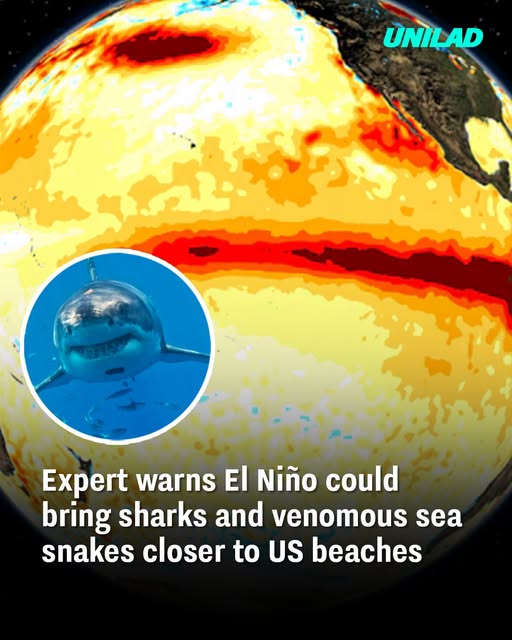
A powerful El Niño event developing across the Pacific Ocean is expected to reshape marine ecosystems over the coming months, leading scientists to predict that unusual sea creatures could begin appearing in places where they are rarely seen. While these changes may surprise beachgoers and coastal communities, experts say they are a natural response to shifting ocean temperatures, although the scale of this year’s warming could make the effects more noticeable than usual.
Ocean researchers have been closely monitoring the Pacific as sea surface temperatures continue to rise. Combined with an ongoing marine heatwave, these warmer waters are creating conditions that encourage many marine animals to move beyond their traditional habitats. Rather than remaining in tropical or subtropical regions, some species may follow warmer currents into cooler coastal waters.
Understanding El Niño
El Niño is a naturally occurring climate pattern that develops when trade winds weaken or reverse direction across the tropical Pacific Ocean. Normally, these winds push warm surface water toward Asia, allowing colder, nutrient-rich water to rise near the west coast of the Americas. During an El Niño event, this process changes dramatically. Warm water spreads eastward across the Pacific, reducing the amount of cold water reaching the surface. As a result, ocean temperatures increase, weather patterns shift, and marine ecosystems experience significant changes. Scientists note that El Niño typically occurs every two to seven years and can last for several months. However, forecasts suggest the current event has the potential to become one of the strongest in recent history, increasing the likelihood of widespread environmental impacts.
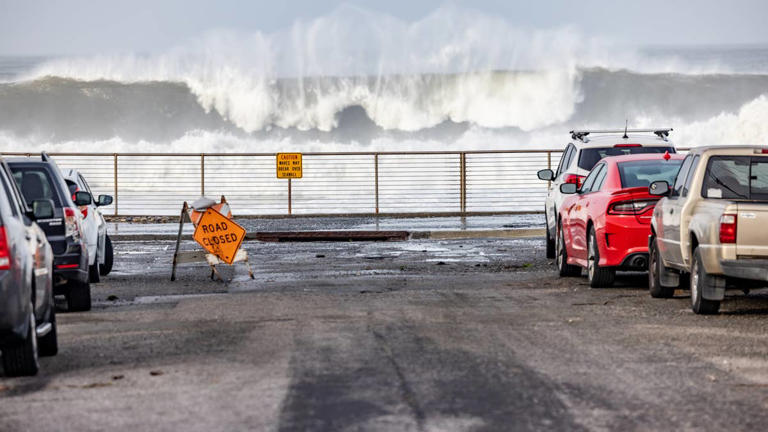
Marine Species on the Move
As ocean temperatures climb, many marine animals are expected to travel into unfamiliar waters in search of suitable conditions and food supplies. Species that normally remain in tropical environments may suddenly become common much farther north than usual. Among the animals that could be spotted are several species of sharks, including tiger sharks, bull sharks, hammerheads, and young great white sharks. Scientists also expect to see larger numbers of mahi-mahi, bluefin tuna, sea turtles, and even yellow-bellied sea snakes in areas where they are not typically found. These changes do not necessarily indicate that the animals are becoming more aggressive. Instead, they are responding to warmer waters and shifting food sources, following conditions that better support their survival.
Why Warm Water Changes Everything
Temperature plays a major role in determining where marine life can thrive. Even relatively small increases in ocean temperatures can influence migration routes, breeding grounds, and feeding behavior. As warm water spreads, plankton populations may move or decline in certain regions. Since plankton forms the foundation of many marine food webs, larger animals often follow these microscopic organisms. Fish move toward new feeding grounds, predators follow the fish, and the entire ecosystem gradually shifts. Scientists explain that this chain reaction can result in marine species appearing in locations where local residents have never seen them before.
Concerns Beyond Wildlife
Warmer oceans affect far more than fish and sharks. Researchers are also watching for an increase in harmful algal blooms, including species capable of producing dangerous toxins. Certain algae release compounds that can contaminate shellfish and affect fish, marine mammals, seabirds, and even humans who consume contaminated seafood. Previous periods of unusually warm ocean temperatures have led to temporary closures of shellfish fisheries and disruptions to commercial fishing industries. Marine heatwaves can also place stress on coral reefs, kelp forests, and other important habitats, reducing biodiversity and making ecosystems more vulnerable to disease.
Effects on Whales and Other Large Animals
Changes in plankton distribution may also influence the movements of whales. Since many whale species rely on plankton or fish that feed on plankton, they often travel wherever food becomes available. If their feeding grounds shift closer to shore, whales may spend more time in coastal waters. While this could create exciting wildlife-viewing opportunities, it also increases the possibility of encounters with fishing gear and busy shipping routes. Scientists are therefore encouraging continued monitoring to better understand how marine mammals respond to changing ocean conditions.
Should People Be Worried?
Experts emphasize that unusual marine sightings should not automatically cause alarm. Most animals entering new areas are simply adapting to changing environmental conditions rather than posing new threats to humans. Beach visitors should remain aware of local wildlife advisories, avoid approaching unfamiliar marine animals, and respect safety warnings issued by coastal authorities. Responsible behavior helps protect both people and wildlife. Researchers stress that preparation and public awareness are more useful than panic.
Looking Ahead
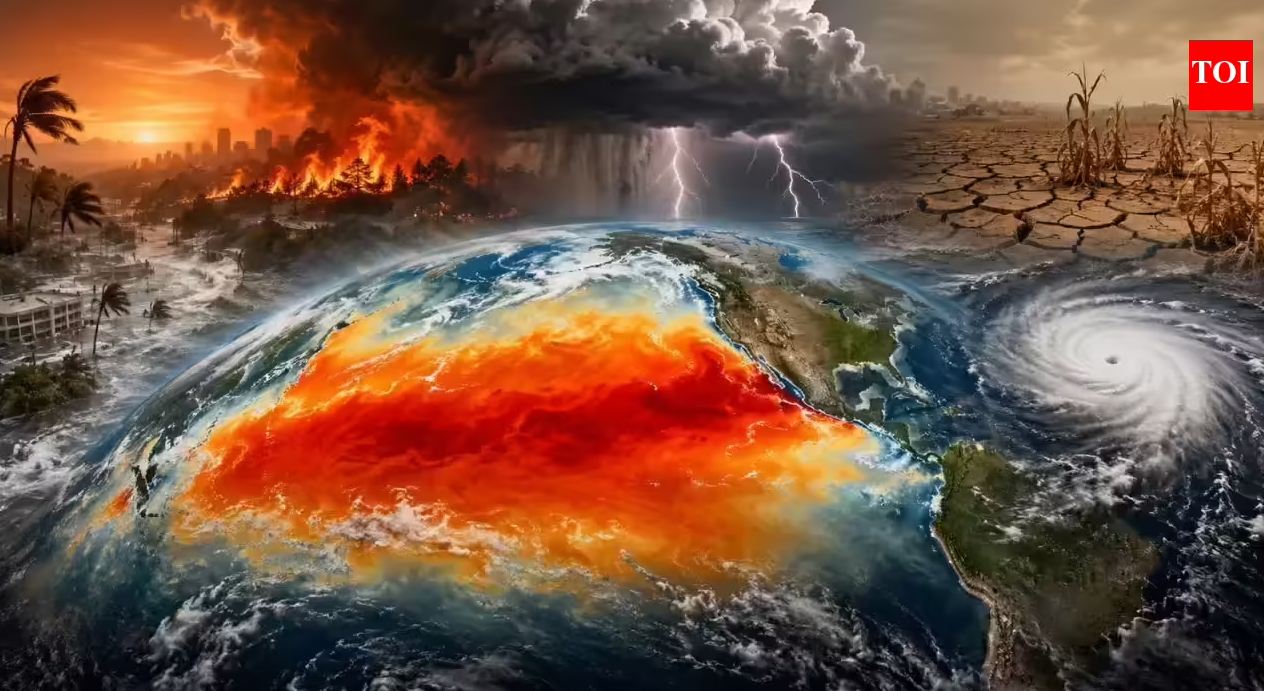
Forecasts suggest that the current El Niño could continue influencing global weather and ocean conditions well into the coming months. Scientists will continue tracking sea temperatures, marine migrations, and ecological changes to better understand how ecosystems respond to one of nature’s most influential climate patterns. Although many of these changes are temporary, they provide an important reminder of how closely connected ocean temperatures, weather systems, and marine life truly are. As waters continue to warm, both researchers and coastal communities will be watching carefully to see which unexpected visitors arrive next.