
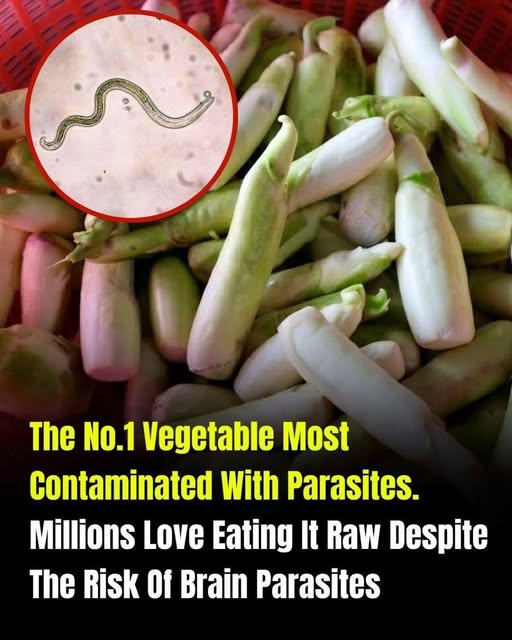
Fresh vegetables are an essential part of a healthy diet, providing important vitamins, minerals, fiber, and antioxidants. However, because many vegetables are grown close to soil and handled by multiple people before reaching the kitchen, they can sometimes carry unwanted microorganisms. While serious contamination is uncommon, food safety experts encourage consumers to take simple precautions when preparing fresh produce. Proper washing, storage, and handling can significantly reduce potential risks and help families enjoy vegetables safely.
How Parasites and Germs Can Reach Vegetables
Vegetables can become contaminated at several stages before they reach a person’s plate. During farming, produce may come into contact with soil, untreated water, animal waste, or contaminated surfaces. Leafy greens and vegetables with many folds or uneven surfaces can sometimes be more difficult to clean because dirt and microorganisms may become trapped in small spaces. Produce that is eaten raw requires extra attention because cooking, which can destroy many harmful organisms, is not involved. Contamination can also occur later during transportation, packaging, shopping, or food preparation. Hands, cutting boards, knives, and kitchen surfaces can all transfer bacteria or other microorganisms if proper hygiene practices are not followed.
Vegetables That Require Extra Attention
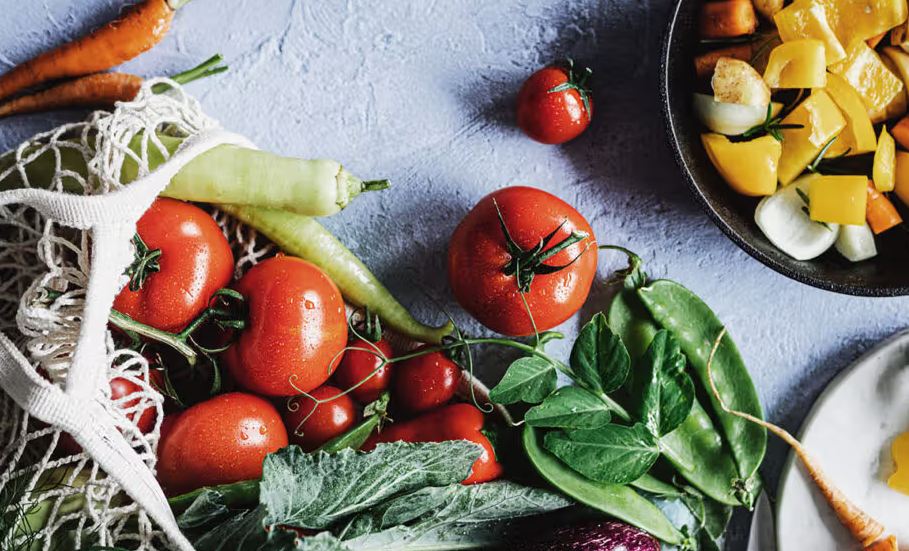
Certain types of produce may need more careful cleaning because of their structure. Leafy vegetables, herbs, and root vegetables grown underground can collect more soil particles and organic material. Vegetables such as lettuce, spinach, cabbage, carrots, and similar produce should be handled carefully, especially when they will be eaten raw in salads or fresh dishes. This does not mean these foods should be avoided. In fact, vegetables remain an important part of a balanced diet. The key is knowing how to prepare them correctly.
The Best Ways to Clean Fresh Produce
One of the simplest ways to reduce contamination risks is washing vegetables under clean running water before eating or cooking them.
Experts recommend:
Washing hands before handling produce.
Rinsing vegetables thoroughly under running water.
Gently rubbing firm vegetables to remove dirt.
Removing damaged or bruised areas.
Drying washed produce with a clean towel or paper towel.
Keeping raw vegetables separate from raw meat and seafood during meal preparation. Special vegetable washes are often marketed as a necessity, but plain running water is generally effective for removing dirt and many surface contaminants. The most important factor is careful handling and thorough cleaning.
Storage Also Matters
Proper storage can help maintain both safety and quality. Refrigerating fresh vegetables when appropriate slows the growth of many microorganisms and helps prevent spoilage. Keeping vegetables separated from foods that may contain harmful bacteria is also important. For example, raw meat juices should never come into contact with ready-to-eat produce. Using clean containers and avoiding cross-contamination in the refrigerator can make a significant difference in keeping food safe.
A Healthy Habit Worth Maintainin
Concerns about contaminated vegetables can sometimes create unnecessary fear, but avoiding fresh produce is not the solution. Vegetables provide many health benefits and remain an important part of a nutritious lifestyle. Instead of worrying about rare contamination events, consumers can focus on practical food safety habits. Washing produce properly, storing it correctly, and maintaining good kitchen hygiene are simple steps that greatly reduce potential risks. Fresh vegetables are meant to support health, and with the right preparation methods, they can continue to be a safe and valuable part of everyday meals.