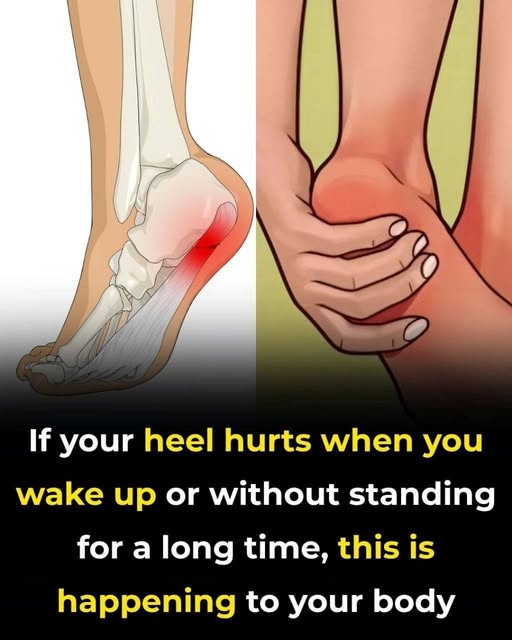
Heel discomfort is a common problem that affects people of all ages. Whether it is caused by long hours of standing, intense physical activity, uncomfortable footwear, or conditions such as plantar fasciitis, heel pain can make everyday activities like walking, exercising, and even standing difficult. The good news is that gentle stretching and strengthening exercises may help improve flexibility, support the muscles and tissues around the feet, and reduce discomfort over time. Regular foot care combined with proper footwear can play an important role in maintaining healthy feet.
Why Heel Pain Happens
The heel absorbs a significant amount of pressure every day. With each step, the structures in the foot work together to support body weight and maintain balance. Heel discomfort can develop when these tissues become irritated or overloaded. Common causes include tight calf muscles, reduced flexibility, overuse during exercise, weight-related pressure, or wearing shoes that do not provide enough support. Although exercises may help many people, persistent or severe pain should be evaluated by a healthcare professional to determine the underlying cause.
1. Calf Stretch Against a Wall
A simple calf stretch can help release tension in the muscles connected to the heel. Stand facing a wall and place your hands against it for support. Step one foot back while keeping the heel on the ground. Slowly bend the front knee until you feel a gentle stretch in the calf of the back leg. Hold the stretch for about 20 to 30 seconds and repeat several times on each side.
2. Towel Stretch
The towel stretch is often recommended for improving flexibility in the back of the leg and bottom of the foot. Sit on the floor with your legs extended. Place a towel or exercise strap around the ball of one foot and gently pull it toward you while keeping your knee straight. This exercise can help stretch the calf muscles and plantar fascia, which are tissues that support the bottom of the foot.
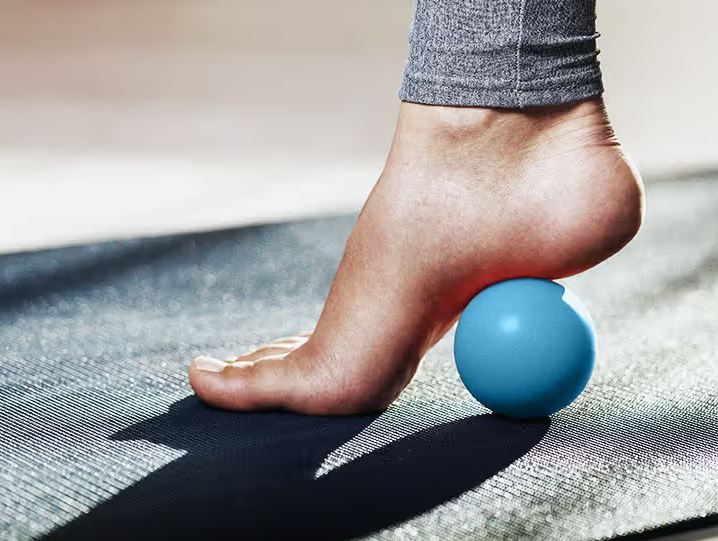
3. Foot Rolling Exercise
Rolling the foot over a small ball or a frozen water bottle can provide a gentle massage effect. Place the object under your foot and slowly roll it from the heel toward the toes. This may help relax tight areas and improve circulation. Many people find this exercise especially helpful after long periods of standing or walking.
4. Toe Stretching
Toe flexibility is important for overall foot function. Sit comfortably and gently pull your toes backward until you feel a stretch along the bottom of your foot. Hold briefly and repeat several times. This simple movement can help reduce stiffness and support better movement patterns while walking.
5. Heel Raises
Strengthening the muscles around the ankle and foot may improve stability. Stand with your feet shoulder-width apart and slowly lift your heels off the ground until you are standing on your toes. Lower yourself back down in a controlled movement. Repeat several times, using a chair or wall for balance if needed.
6. Toe Curls
Toe curls help strengthen small muscles in the feet that provide support during movement. Place a towel on the floor and use your toes to scrunch and pull the towel toward you. This exercise can improve foot strength and coordination.
7. Ankle Circles
Ankle circles are a gentle way to improve mobility. While sitting, lift one foot slightly off the floor and rotate the ankle slowly in circles. Perform the movement in both directions before switching feet. Improved ankle mobility can reduce unnecessary strain on the heel and surrounding tissues.

Supporting Healthy Feet Every Day
Exercises are only one part of maintaining good foot health. Wearing supportive shoes, avoiding sudden increases in physical activity, maintaining a healthy weight, and allowing enough recovery time can all help prevent heel problems. Consistency is key. A few minutes of stretching and strengthening exercises each day may help improve comfort and mobility over time. However, if heel pain continues, becomes severe, or affects normal movement, professional medical advice should be considered. Understanding the cause of discomfort is the first step toward finding the right treatment and protecting long-term foot health.