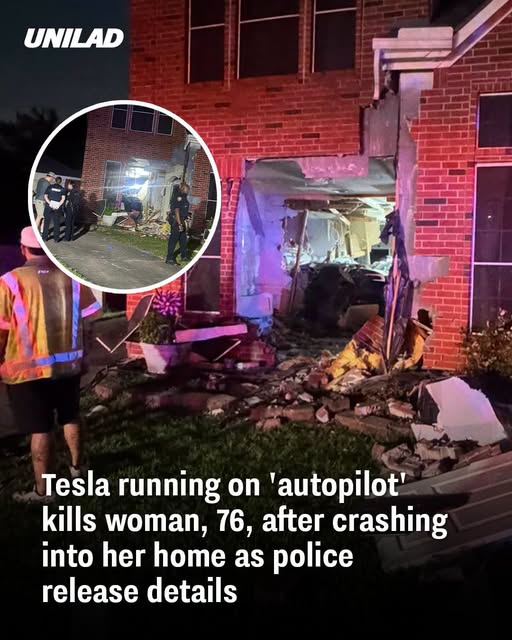
tragic crash involving a Tesla Model 3 has reignited debate over the safety and limitations of advanced driver-assistance systems after a 76-year-old woman was killed when the vehicle crashed into her Texas home. The incident has drawn national attention and prompted a federal investigation into what exactly happened.
What Happened?
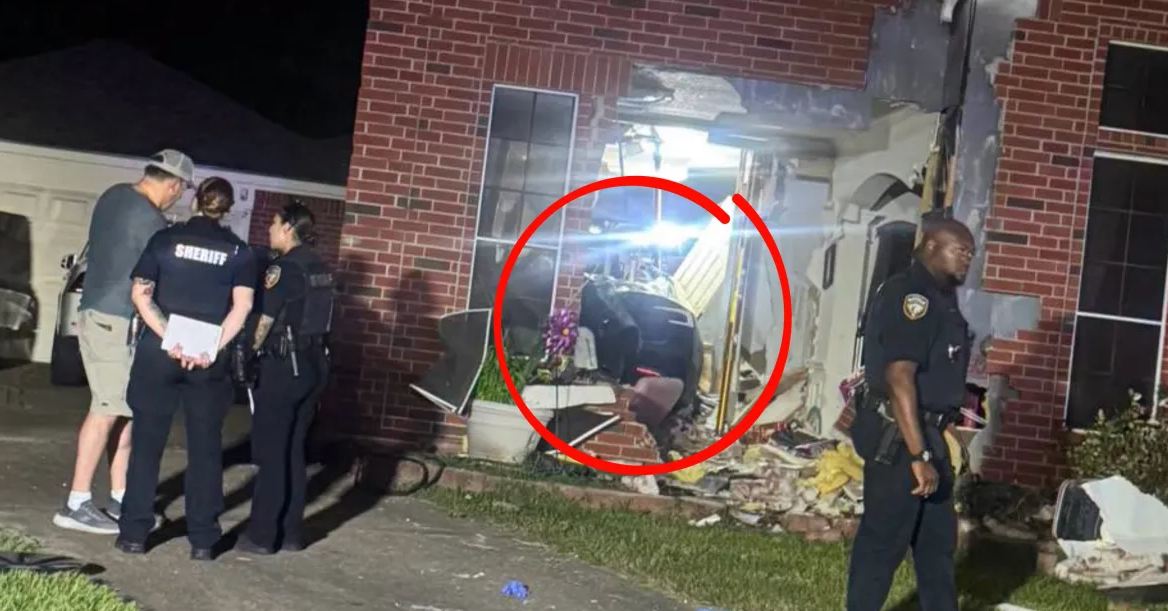
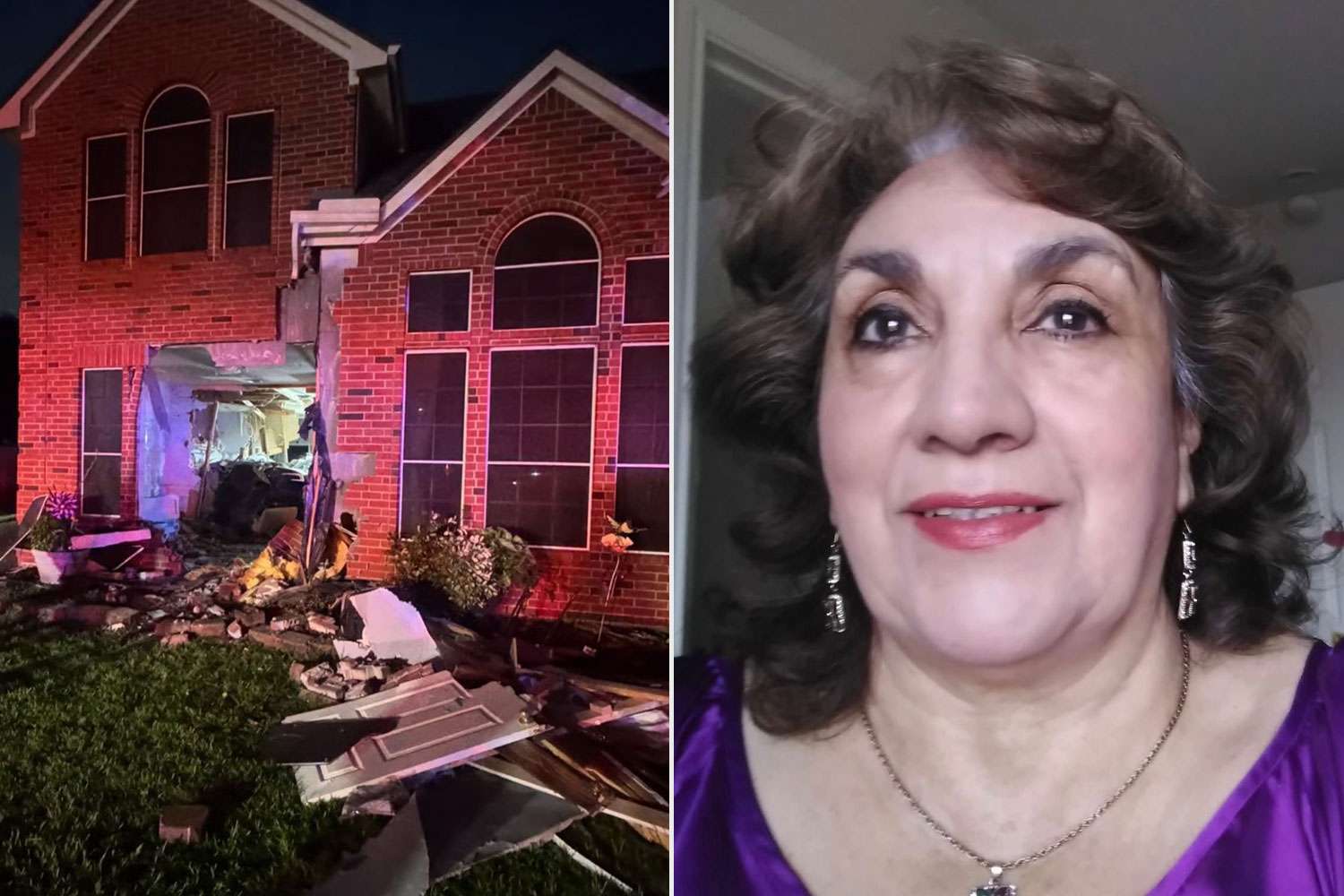
The crash occurred on the evening of June 19 in Katy, Texas. Authorities say the Tesla left the roadway, traveled at a high rate of speed, and smashed through the brick wall of a residence. Inside the home was 76-year-old Martha Avila, who was struck by the vehicle and later died from her injuries. According to investigators, the driver, identified as Michael Butler, was operating a Tesla Model 3 when the vehicle veered off course and entered the home. Butler was injured but survived the crash. Authorities reported that he showed no signs of intoxication and cooperated with investigators. No charges had been filed immediately following the incident.
Claims About Autopilot
The case quickly became controversial because the driver reportedly told authorities that Tesla’s automated driving-assistance system was active at the time of the crash. Local investigators initially stated that the vehicle was being operated with an automated driving assistance feature engaged when it left the road. However, Tesla executives have disputed suggestions that the vehicle was solely under the control of the system. Tesla’s head of AI and software, Ashok Elluswamy, stated that data reviewed by the company indicated the driver manually pressed the accelerator and continued applying pressure, with the vehicle reaching approximately 73 mph before impact. The conflicting accounts have become a central focus of the investigation.
Federal Investigation Underway
The seriousness of the incident prompted the U.S. National Highway Traffic Safety Administration (NHTSA) to open a Special Crash Investigation, one of the agency’s most comprehensive investigative processes. Regulators are examining whether any driver-assistance technology contributed to the crash and whether additional safety concerns need to be addressed. Investigators are expected to analyze vehicle data, driver actions, road conditions, and the operation of Tesla’s software systems before reaching conclusions about responsibility.
Family Left Devastated
The crash caused significant damage to the home and devastated the victim’s family. Reports indicate that several family members, including children, were inside the residence at the time but escaped physical injury. The vehicle reportedly crashed into an area of the house used as a children’s playroom. Family members described Martha Avila as active and healthy, expressing shock that an ordinary evening at home ended in tragedy.
Broader Questions About Tesla Technology
The incident has once again highlighted ongoing concerns surrounding Tesla’s Autopilot and Full Self-Driving systems. Despite their names, these technologies are classified as driver-assistance features rather than fully autonomous systems. Drivers are expected to remain attentive and ready to take control at all times. Tesla has faced numerous investigations and lawsuits involving crashes where driver-assistance systems were reportedly active. Federal regulators have previously examined dozens of incidents involving Autopilot, including several fatal accidents.
A Debate Far From Over
While investigators work to determine exactly what happened in Katy, the crash has intensified the ongoing debate over how advanced driving technology should be marketed, regulated, and monitored. Supporters argue that driver-assistance systems can improve safety when used correctly, while critics believe their capabilities are often misunderstood by drivers. The federal investigation remains ongoing, and its findings could have important implications for the future development and oversight of automated driving technology in the United States.