
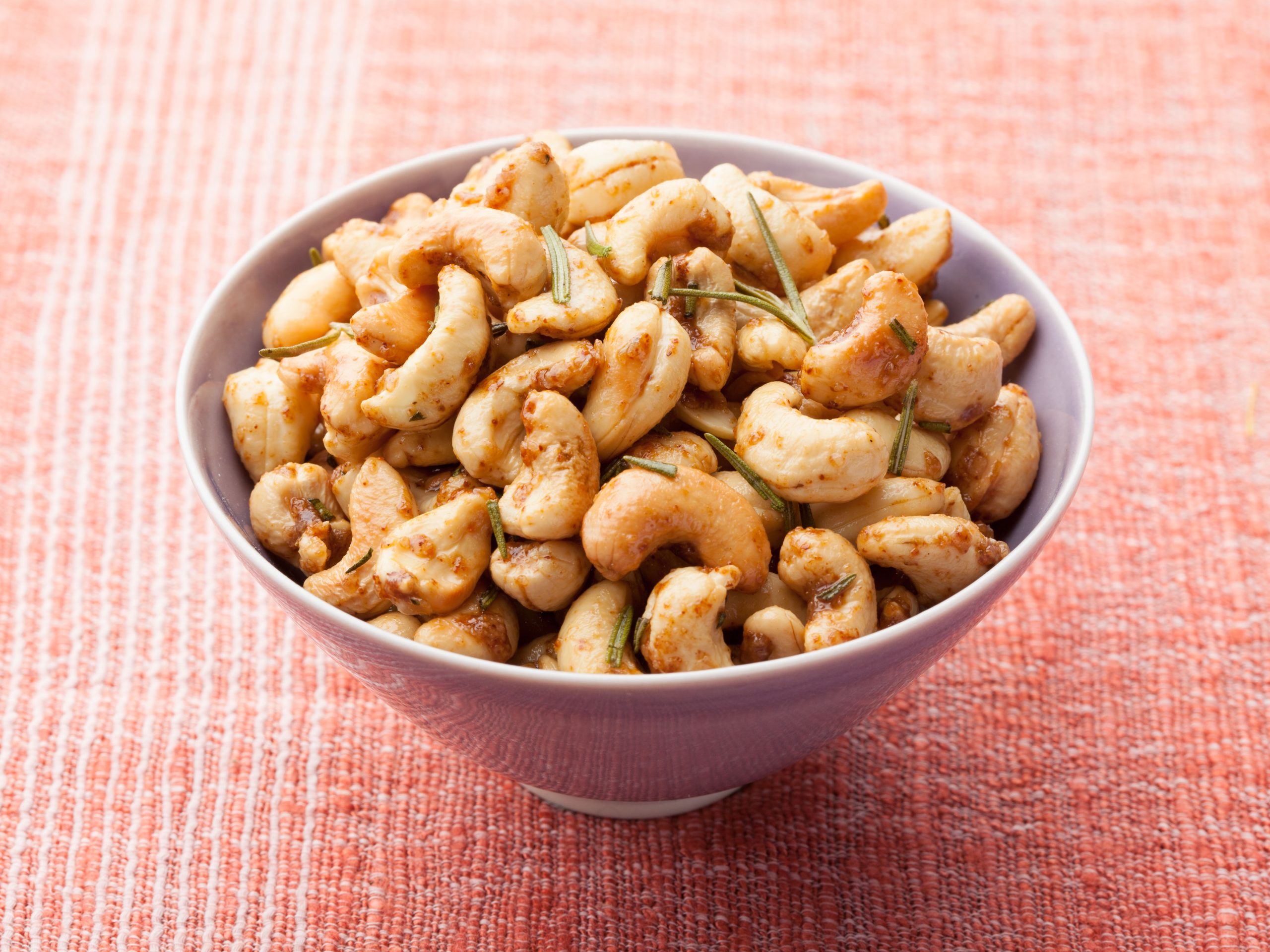
Cashews are among the world’s most popular nuts, prized for their creamy texture, mild flavor, and impressive nutritional profile. Whether eaten as a snack, added to salads, blended into sauces, or used in desserts, cashews provide a convenient way to add valuable nutrients to your diet.
Health experts often recommend nuts as part of a balanced eating plan, and cashews are no exception. While they should be consumed in moderation due to their calorie content, regular consumption may offer several potential health benefits.
A Rich Source of Essential Nutrients
Cashews contain a variety of vitamins, minerals, and plant compounds that support overall health. They are particularly rich in:
Magnesium
Copper
Zinc
Iron
Phosphorus
Manganese
Healthy unsaturated fats
Plant-based protein
These nutrients play important roles in energy production, immune function, bone health, and many other bodily processes.
May Support Heart Health
One of the most studied benefits of nuts is their potential positive effect on cardiovascular health. Cashews contain mostly unsaturated fats, which are generally considered heart-friendly when consumed in place of saturated fats. Research suggests that regularly eating nuts may help maintain healthy cholesterol levels and support normal blood vessel function. Cashews also provide magnesium, a mineral involved in regulating blood pressure and supporting healthy heart rhythms. Including moderate portions of cashews as part of a balanced diet may contribute to long-term heart health.
Can Help Maintain Strong Bones
Cashews contain several minerals that contribute to bone strength, including magnesium, phosphorus, and copper. Copper helps support collagen production, an important component of bones and connective tissues. Magnesium works alongside calcium to help maintain bone density and proper skeletal function. Regular consumption of mineral-rich foods such as cashews can be part of an overall strategy for supporting healthy bones throughout life.
Provides Plant-Based Protein
Protein is essential for building and repairing tissues, supporting muscle maintenance, and promoting satiety after meals. Cashews provide a moderate amount of plant-based protein, making them a useful addition to vegetarian and vegan eating patterns. While they do not contain as much protein as legumes or animal products, they can still contribute to daily protein intake. Combining cashews with other protein-rich foods can help create balanced meals and snacks.
May Assist With Weight Management
Although nuts are relatively high in calories, studies have found that moderate nut consumption does not necessarily lead to weight gain. Cashews contain a combination of protein, fiber, and healthy fats that can help promote feelings of fullness. This may reduce the temptation to snack on less nutritious foods between meals. Portion control remains important, but incorporating a small serving of cashews into a balanced diet may support healthy eating habits.
Supports Immune Function
Several nutrients found in cashews play important roles in immune health. Zinc is particularly important because it helps the body produce and activate immune cells. Copper and iron also contribute to normal immune system function and support the transport of oxygen throughout the body. Eating a variety of nutrient-dense foods, including nuts such as cashews, can help ensure the body receives the nutrients needed for a healthy immune response.
May Benefit Brain Health
The brain relies on a steady supply of nutrients to function properly. Cashews contain healthy fats, magnesium, and antioxidants that support normal neurological function. Magnesium is involved in nerve signaling, while healthy fats contribute to the structure of brain cells. Although no single food can guarantee better brain health, nutrient-rich foods can be part of an overall healthy lifestyle that supports cognitive function.
Contains Antioxidants
Cashews provide antioxidants, compounds that help protect cells from damage caused by unstable molecules known as free radicals. Antioxidants are associated with healthy aging and may help reduce oxidative stress in the body. Cashews also contain plant compounds that contribute to their nutritional value and overall health benefits.
Things to Keep in Mind
While cashews can be a healthy addition to most diets, they should be eaten in moderation. A typical serving is about one ounce (28 grams), which is roughly a small handful. People with tree nut allergies should avoid cashews unless advised otherwise by a healthcare professional. In addition, heavily salted or sugar-coated varieties may contain ingredients that reduce some of their nutritional advantages. Choosing unsalted or lightly salted cashews is often the healthiest option.

The Bottom Line
Regularly eating cashews can provide a range of nutrients that support heart health, bone strength, immune function, and overall wellness. Their combination of healthy fats, protein, vitamins, and minerals makes them a nutritious snack and a versatile ingredient in many meals. As with most foods, moderation is key. When enjoyed as part of a balanced diet rich in fruits, vegetables, whole grains, and lean proteins, cashews can be a valuable addition to a healthy lifestyle.