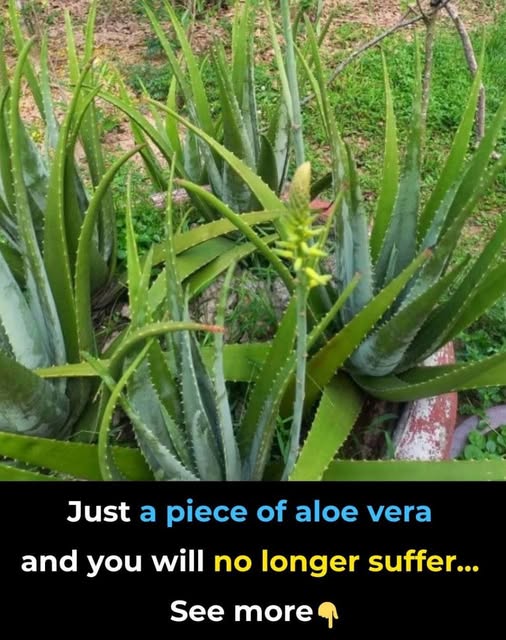
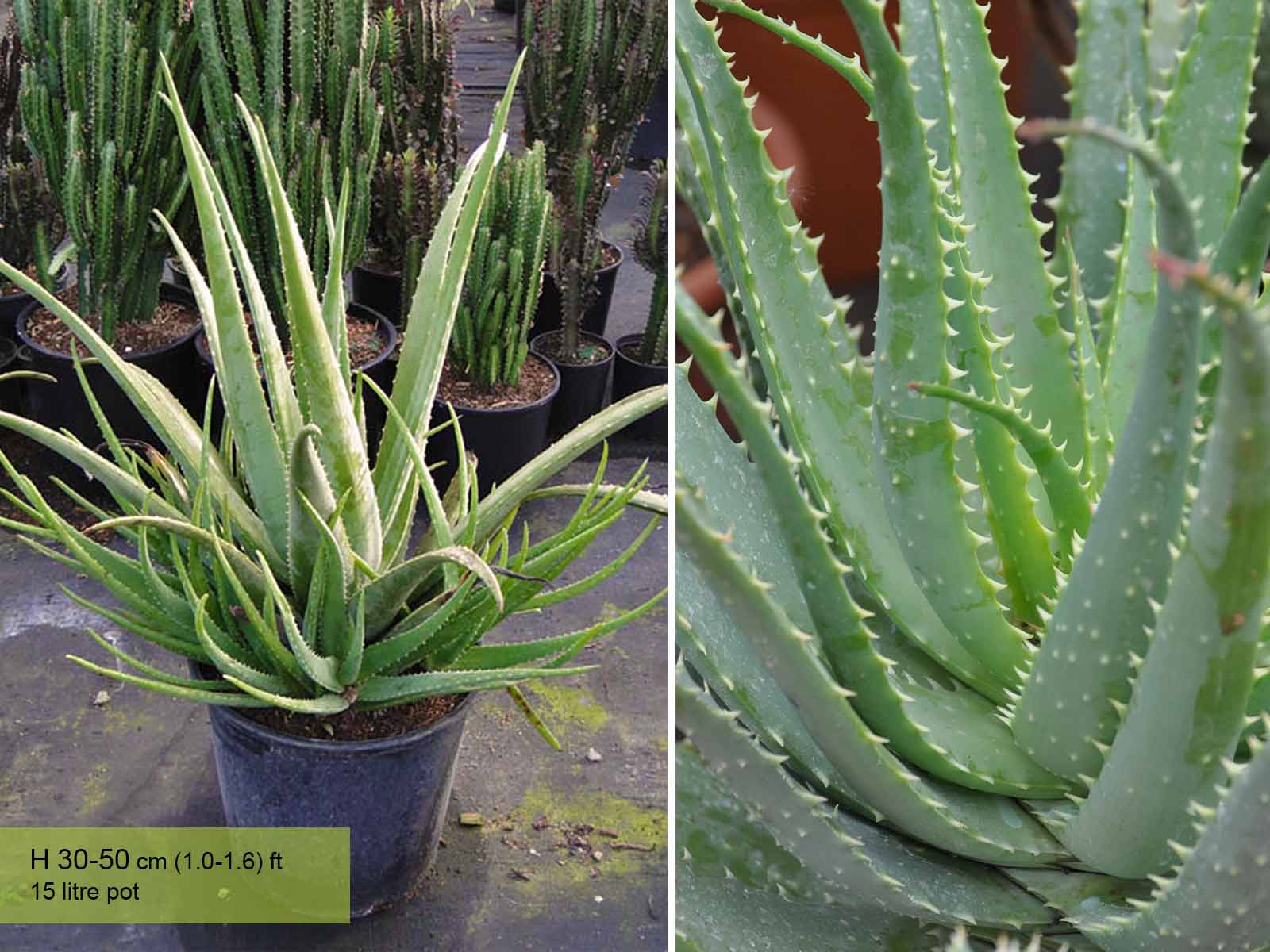
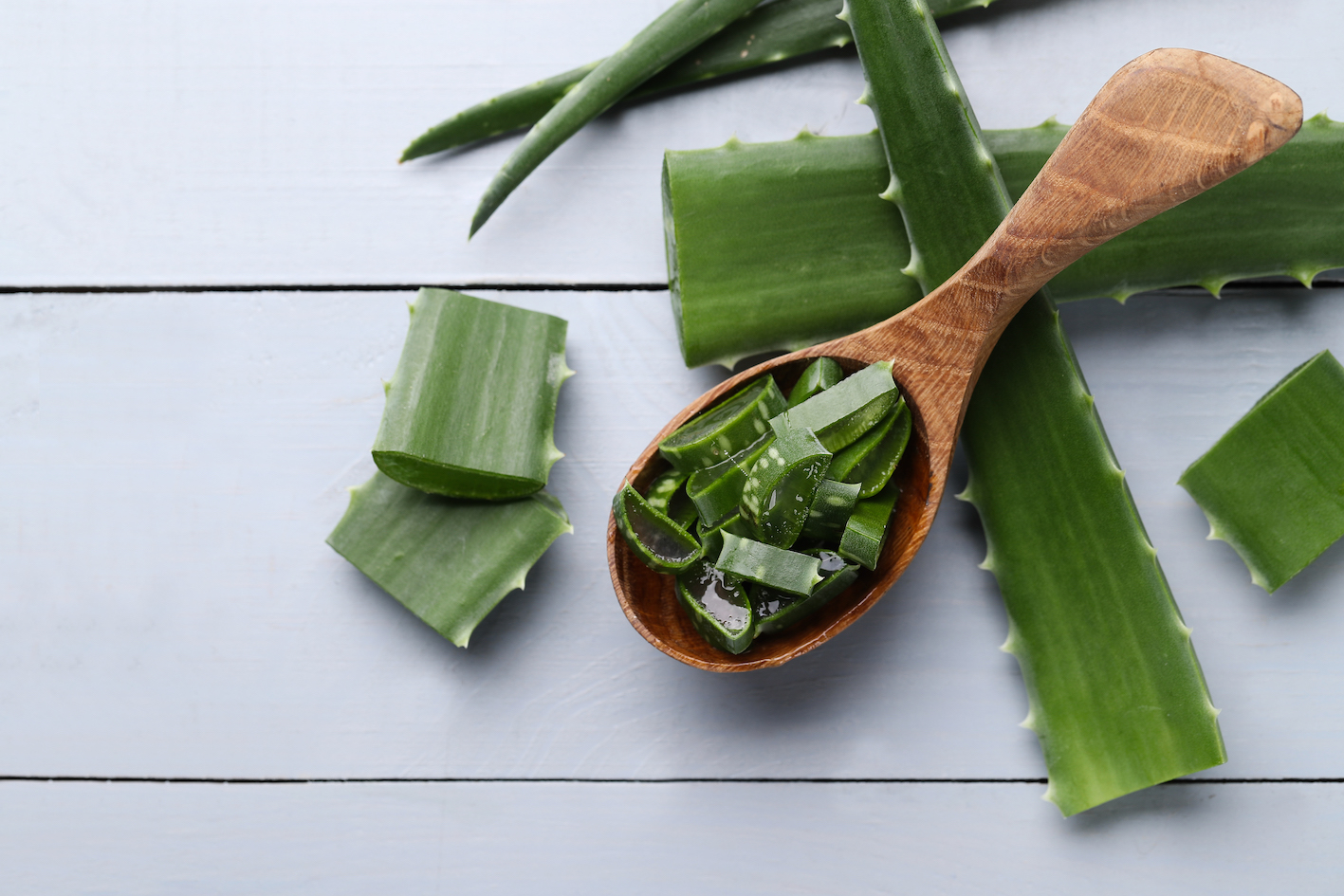
Known for its thick green leaves filled with cooling gel, aloe vera has long been associated with healing and self-care. Ancient civilizations in Egypt, Greece, and China reportedly used the plant for a variety of medicinal and cosmetic purposes, and its popularity has endured into modern times.
Today, aloe vera is found in everything from skincare products and shampoos to juices and dietary supplements. But what exactly can this remarkable plant do?
A Natural Soother for the Skin
Perhaps the most well-known use of aloe vera is its ability to soothe irritated skin. The clear gel inside the plant’s leaves contains a high percentage of water along with vitamins, minerals, amino acids, and antioxidant compounds. Many people apply aloe vera gel to minor burns, including mild sunburn, to help cool the skin and provide temporary relief from discomfort. Some studies suggest that aloe vera may support wound healing by promoting skin hydration and encouraging the repair process. However, experts advise seeking medical attention for serious burns or deep wounds rather than relying solely on home remedies.
Supporting Healthy, Hydrated Skin
Aloe vera has become a favorite ingredient in moisturizers and beauty products. Its lightweight texture absorbs easily and may help improve skin hydration without leaving a greasy residue. Some individuals also use aloe vera to calm redness and dryness associated with environmental irritation. Because skin sensitivities vary, it is wise to perform a patch test before applying aloe vera products extensively, particularly if using fresh gel directly from the plant.
Potential Benefits for Digestive Health
Aloe vera juice has gained attention for its possible digestive benefits. Some people consume specially prepared aloe vera products in hopes of supporting digestion and maintaining regular bowel movements. Certain compounds found in the outer leaf have natural laxative properties. However, caution is essential. Whole-leaf aloe products and aloe latex can cause cramping, diarrhea, and dehydration when consumed in excess. Long-term use of aloe latex has also raised safety concerns. Anyone considering aloe supplements should consult a healthcare professional, especially if they take medications or have existing health conditions.
Packed With Beneficial Compounds
Aloe vera contains a variety of nutrients and plant compounds that contribute to its popularity. Among them are vitamins A, C, and E, which function as antioxidants and help protect cells from damage caused by unstable molecules known as free radicals. The plant also provides small amounts of minerals and amino acids that play important roles in normal bodily functions. While aloe vera should not be viewed as a cure-all, these components help explain why it continues to attract scientific interest.
Oral Health Application
Emerging research has explored the use of aloe vera in oral care products. Some studies suggest that aloe vera-based mouthwashes may help reduce plaque and soothe gum irritation. Its antimicrobial properties have prompted interest in its potential role in supporting overall oral hygiene. Even so, aloe products should complement—not replace—regular brushing, flossing, and professional dental care.
Using Aloe Vera Safely
Although aloe vera is generally considered safe for topical use, it is not risk-free Some individuals may experience allergic reactions, itching, or skin irritation. Internal use requires even greater caution, particularly with products containing aloe latex. Pregnant or breastfeeding individuals, young children, and people with certain medical conditions should speak with a healthcare provider before consuming aloe-based supplements. Choosing reputable products and following recommended usage instructions can help minimize potential risks.
A Plant With Lasting Appeal
From skincare routines to wellness practices, aloe vera has maintained its reputation as one of nature’s most versatile plants. While not every claimed benefit has been proven by science, research supports several of its traditional uses, particularly for soothing minor skin irritation and promoting hydration. As interest in natural remedies continues to grow, aloe vera remains a fascinating example of how ancient botanical traditions and modern health practices can intersect. Used thoughtfully and safely, it may offer a variety of benefits that have helped keep this resilient plant in the spotlight for generations.