Food poisoning affects millions of people every year, causing symptoms that range from mild stomach discomfort to severe dehydration and hospitalization. Although almost any food can become contaminated if handled improperly, health experts have identified several foods that are more frequently linked to outbreaks of foodborne illness.
Understanding these hidden risks can help families make safer choices in the kitchen and reduce the chances of getting sick.
1. Leafy Greens
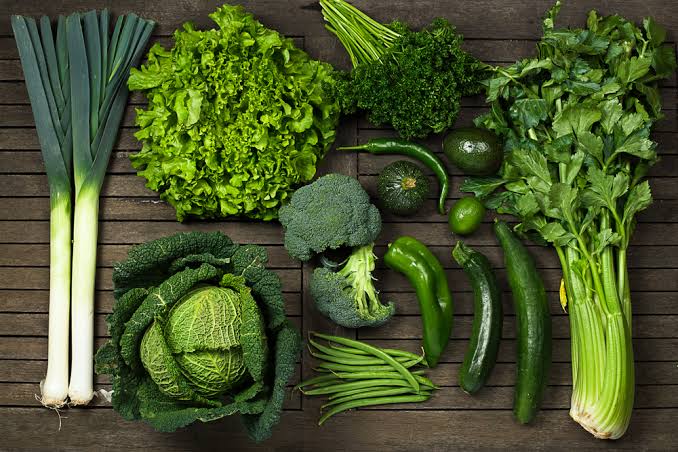
Lettuce, spinach, kale, and other leafy greens are often praised for their nutritional value, but they can also harbor harmful bacteria such as E. coli and Salmonella. Because these vegetables are frequently eaten raw, any contamination that occurs during growing, harvesting, processing, or packaging may remain present when they reach your plate. Thorough washing can help remove dirt and some microbes, although it may not eliminate all pathogens.
2. Raw or Undercooked Eggs
Eggs are a versatile kitchen staple, but consuming them raw or undercooked can increase the risk of Salmonella infection. Foods such as homemade mayonnaise, certain desserts, cookie dough, and sauces made with uncooked eggs should be prepared carefully. Cooking eggs until both the yolk and white are firm greatly reduces the chance of illness.
3. Poultry
Chicken and turkey are among the foods most commonly associated with food poisoning. Raw poultry may contain bacteria including Campylobacter and Salmonella. Cross-contamination can occur when juices from uncooked meat come into contact with cutting boards, utensils, countertops, or ready-to-eat foods. Using separate preparation areas and cooking poultry to a safe internal temperature are essential safety practices.
4. Seafood and Shellfish
Raw oysters and improperly stored seafood can contain bacteria, viruses, or naturally occurring toxins. Shellfish harvested from contaminated waters have been linked to outbreaks of illnesses caused by organisms such as Vibrio. People with weakened immune systems, liver disease, or other underlying health conditions may face a higher risk of severe complications.
5. Unpasteurized Milk and Dairy Products
Milk that has not been pasteurized may carry dangerous bacteria including Listeria, E. coli, and Salmonella. While some consumers prefer raw dairy products, health authorities generally recommend choosing pasteurized options to reduce the risk of foodborne disease. Young children, pregnant women, older adults, and individuals with compromised immune systems should be especially cautious.
6. Ground Beef
Grinding meat can spread bacteria from the surface throughout the product, making proper cooking particularly important. Undercooked burgers have been associated with outbreaks involving E. coli and other harmful pathogens. Using a food thermometer to ensure the meat reaches a safe internal temperature is one of the most effective ways to prevent illness.
7. Fresh Fruits
Fruits such as melons, berries, and pre-cut fruit can become contaminated during harvesting, transport, or preparation. Even produce with thick outer skins should be washed before slicing, since bacteria on the surface can be transferred to the edible portion by a knife. Refrigerating cut fruit promptly also helps limit bacterial growth.
8. Sprouts
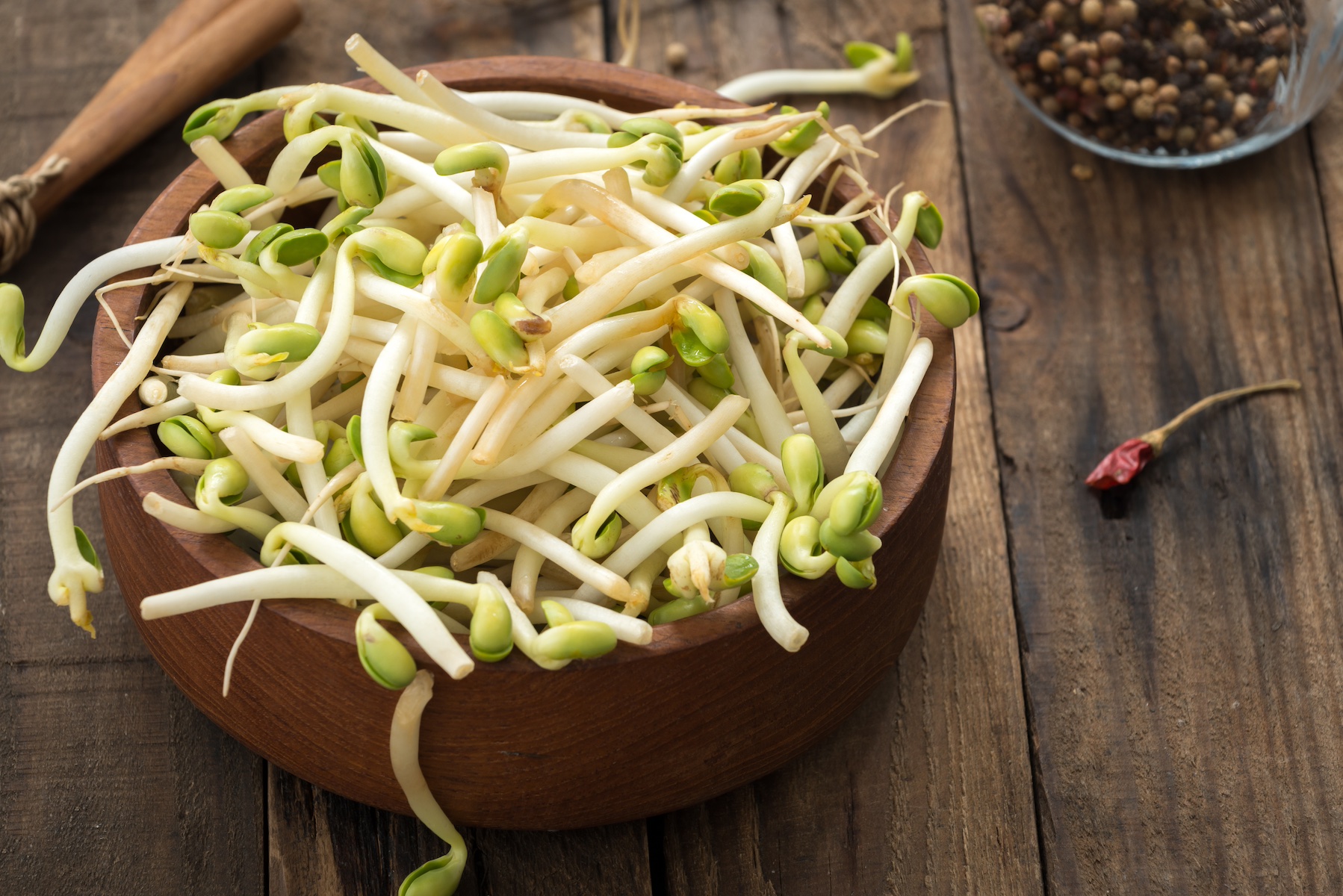
Alfalfa, bean, and other sprouts grow in warm, humid environments that are also ideal for bacterial growth. Because they are often consumed raw, any contamination present during the sprouting process may survive until consumption. People in higher-risk groups may wish to avoid raw sprouts altogether or cook them before eating.
Simple Steps to Reduce Your Risk
Although these foods may carry a higher risk of contamination, they can still be enjoyed safely by following basic food-safety practices. Wash your hands thoroughly before preparing meals, avoid cross-contamination between raw and cooked foods, refrigerate perishables promptly, and cook foods to recommended temperatures. Food poisoning cannot always be prevented, but awareness and proper handling can significantly lower the risk. By understanding which foods require extra attention, families can continue to enjoy a varied and nutritious diet while helping keep everyone at the table safe and healthy.