
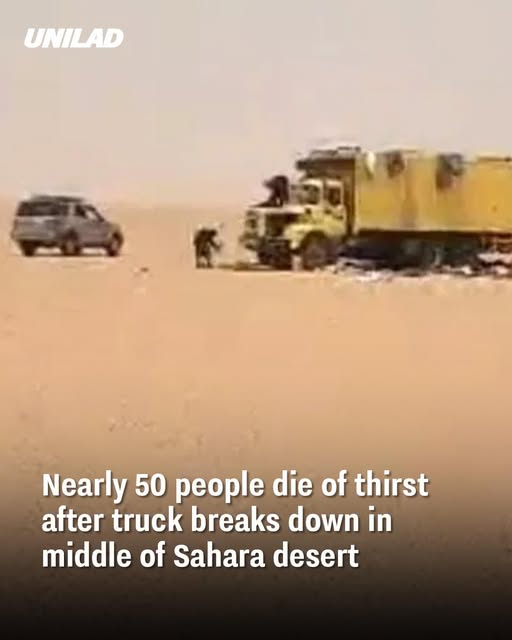
A devastating tragedy unfolded in the Sahara Desert when a truck carrying dozens of passengers broke down, leaving its occupants stranded without water in one of the most unforgiving environments on Earth. By the time rescue teams reached the scene, at least 49 people had lost their lives to dehydration and extreme heat.
The victims were citizens of Niger who had been traveling home from neighboring Mali to celebrate Eid al-Adha with their families. What began as a routine journey quickly turned into a fight for survival when their vehicle became disabled in a remote desert region near the borders of Niger, Mali, and Algeria.
Stranded in Extreme Conditions
According to regional authorities, the truck became immobilized more than 80 kilometers west of the border town of Assamaka. The exact cause of the breakdown remains unclear, but passengers reportedly spent days attempting to repair the vehicle. Despite their efforts, the truck could not be restarted. As temperatures soared, the group’s limited water supply was exhausted. Without access to food, water, or communication, the stranded travelers found themselves trapped in a vast desert where survival becomes increasingly difficult with each passing hour. The Sahara is known for its extreme climate. Daytime temperatures can climb well above 40°C (104°F), while water sources are often separated by great distances. In such conditions, dehydration can become life-threatening in a remarkably short period of time.
Two Survivors Raise the Alarm
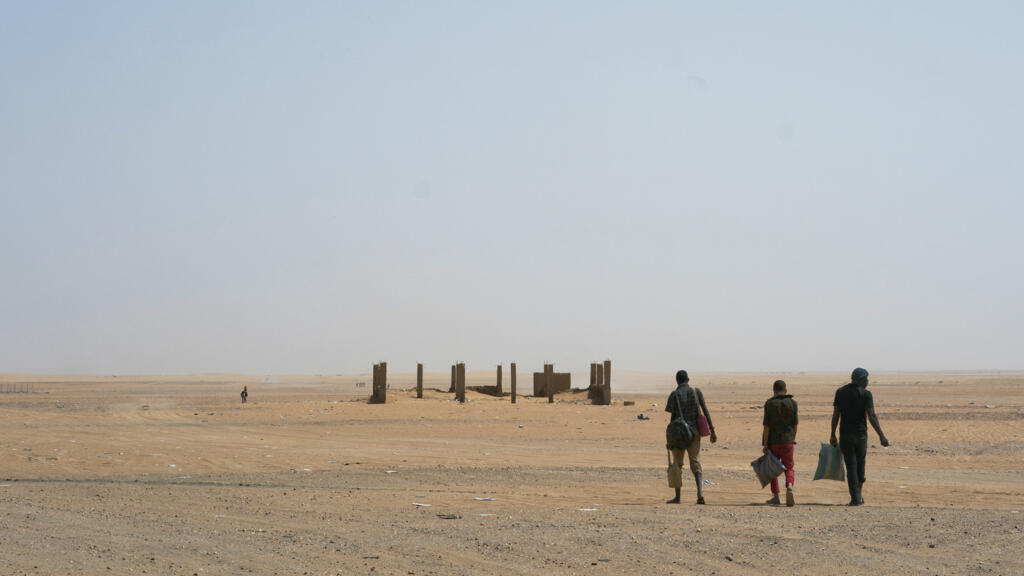
Amid the disaster, two men managed to survive by undertaking an extraordinary journey on foot. Authorities reported that they walked more than 50 kilometers through the desert in search of water before eventually reaching Assamaka. There, they alerted local officials and rescue teams to the situation. Their actions triggered an emergency response, but rescuers arrived too late to save most of the passengers. Officials described the scene as heartbreaking, with bodies discovered beneath and around the stranded truck. Many personal belongings were scattered across the desert sand, illustrating the desperation of those who had tried to survive.
A Difficult Recovery Operation
Rescue personnel faced enormous challenges as they recovered the victims. Due to the remote location and harsh conditions, authorities carried out mass burials at the site. Officials described the operation as emotionally exhausting for everyone involved. The tragedy has deeply affected communities across Niger, where families had been eagerly awaiting the return of loved ones for the important religious celebration. Instead, many received devastating news that their relatives would never make it home.
Another Disaster Narrowly Avoided
During the same rescue mission, authorities discovered a second truck stranded in the desert with more than 60 people onboard. The vehicle had been immobilized for several days because of a battery failure. Fortunately, rescue teams arrived in time to provide water and assistance before another catastrophe could occur. The incident highlighted how quickly mechanical problems can become deadly in remote desert regions. Even a relatively minor breakdown can place dozens of lives at risk when travelers are far from settlements and emergency services.
A Continuing Humanitarian Concern
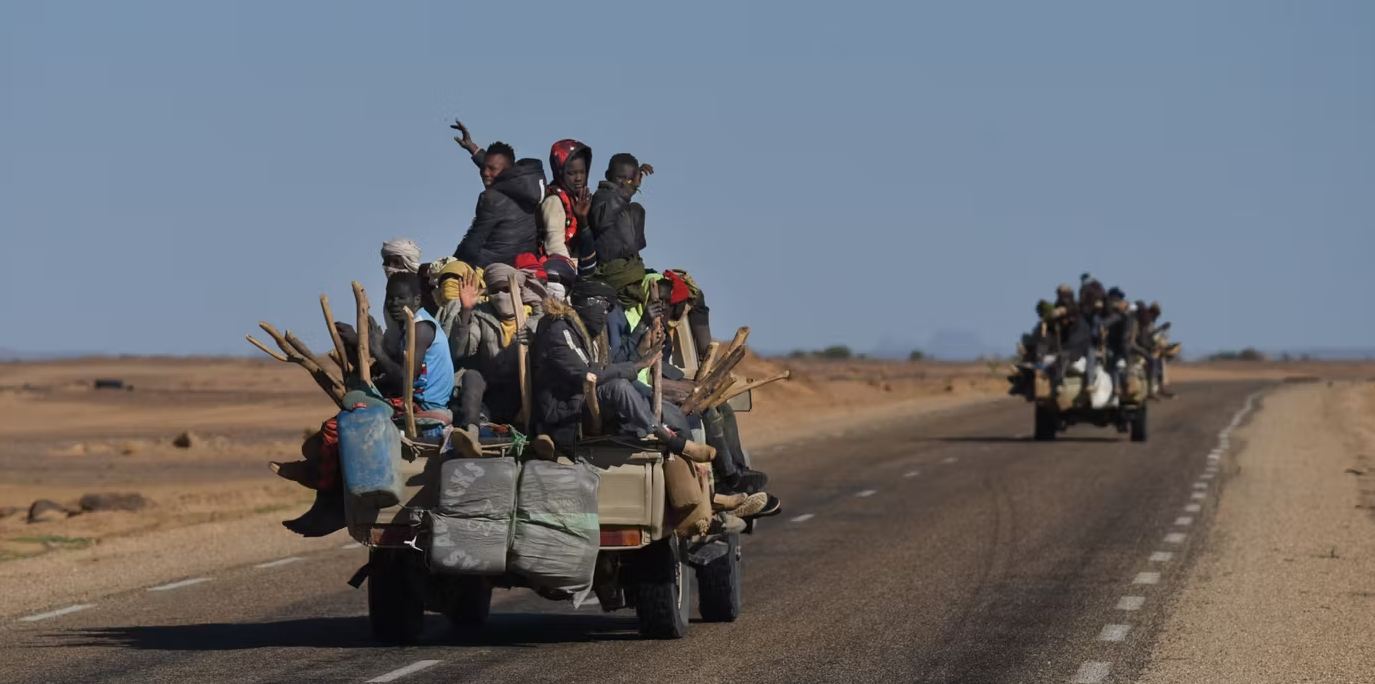
The Sahara Desert remains one of the most dangerous migration and travel routes in the world. Every year, thousands of people cross vast stretches of desert seeking work, economic opportunities, or routes toward North Africa and Europe. Many face extreme weather, limited resources, and long distances between safe stopping points. This latest tragedy serves as a stark reminder of the risks involved in crossing one of the planet’s harshest environments. For the families of the 49 victims, it is also a painful story of hope, loss, and a journey that ended far from home.