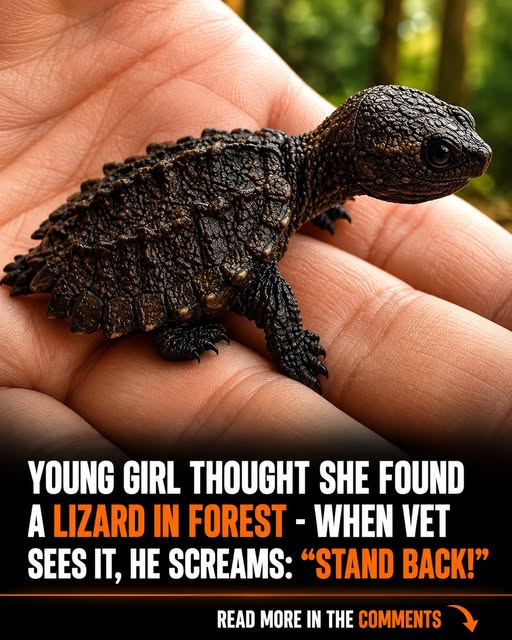
Children are naturally curious about animals. From stray kittens to colorful birds and unusual reptiles, young explorers often form instant attachments to creatures they encounter outdoors. For one little girl, what seemed like an exciting discovery quickly turned into a surprising lesson about wildlife and the importance of expert guidance.
What began as an innocent attempt to care for a small reptile soon became a situation that left adults deeply concerned.
An Exciting New Companion
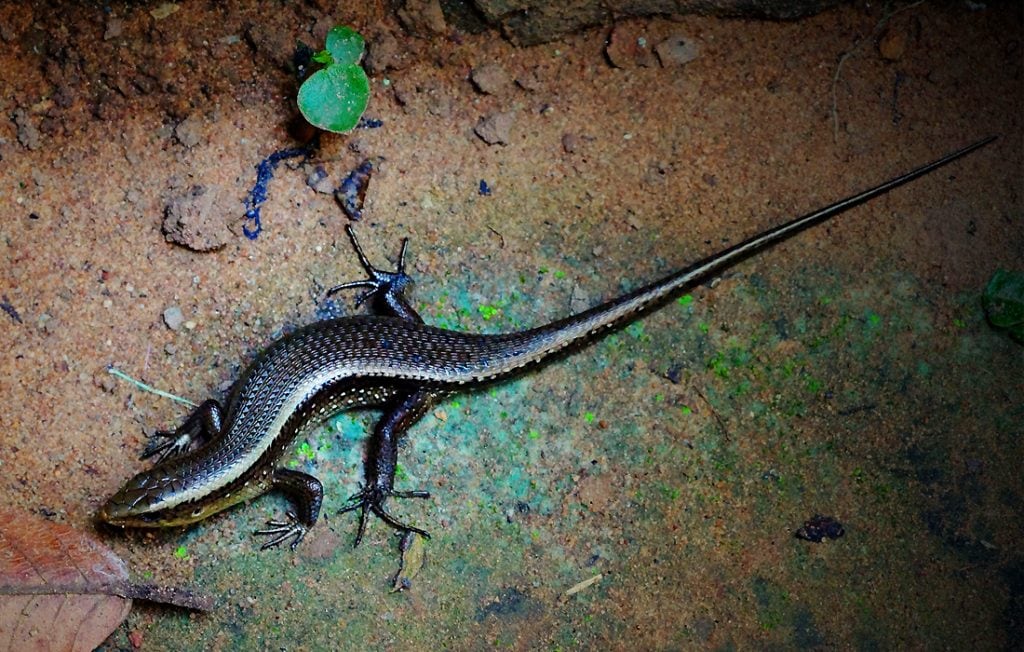
The young girl was thrilled when she found what appeared to be a harmless lizard. Fascinated by its unusual appearance and gentle behavior, she immediately wanted to keep it as a pet. Like many children who develop a love for animals at an early age, she was eager to provide food, water, and a safe place for her new companion. Her family admired her enthusiasm and compassion, believing she had simply discovered a common reptile. At first glance, there seemed to be no reason for concern. The creature was small, quiet, and appeared relatively calm in its new surroundings. However, as questions about its species began to emerge, the family decided to seek professional advice.
That decision would prove to be extremely important.
A Routine Visit Takes an Unexpected Turn
To ensure the animal was healthy and receiving proper care, the family brought it to a veterinarian for examination. What they expected to be a routine visit quickly became something much more serious. Upon seeing the reptile, the veterinarian immediately recognized that it was not the ordinary lizard the family believed it to be. The professional’s reaction surprised everyone in the room. Instead of discussing basic feeding and habitat recommendations, the veterinarian began asking detailed questions about where the animal had been found and how long it had been in the family’s possession. The situation had suddenly become far more complicated than anyone anticipated.
The Importance of Proper Identification
One of the biggest challenges when dealing with wildlife is accurate identification. Many species can appear similar to untrained observers, especially when they are young or found outside their typical habitat. Some reptiles may carry diseases, require specialized care, or even be protected under wildlife regulations. Others may pose risks to local ecosystems if removed from their natural environments or transported to new locations. The veterinarian understood that identifying the animal correctly was essential for both the family’s safety and the creature’s well-being. This is why wildlife experts often urge people not to assume they know exactly what species they have encountered.
Why Experts Take Wildlife Seriously
Wild animals, regardless of size, are very different from domesticated pets. They often have unique nutritional needs, environmental requirements, and natural behaviors that can be difficult to replicate in a home setting. Even well-intentioned efforts to care for wild creatures can sometimes cause unintended harm. Veterinarians and wildlife specialists frequently encounter situations where animals have been misidentified or kept in unsuitable conditions simply because people did not realize what they were dealing with. In many cases, professional intervention helps ensure that both humans and animals remain safe.
A Valuable Lesson for the Family
Although the discovery was unexpected, it ultimately became an important learning experience. The family realized that curiosity and compassion should always be paired with expert advice when dealing with unfamiliar animals. The little girl’s desire to help was admirable, but the situation demonstrated why wildlife should be approached carefully and responsibly. Rather than viewing the event as a mistake, the family chose to see it as an opportunity to learn more about nature and animal conservation.
The Bigger Message
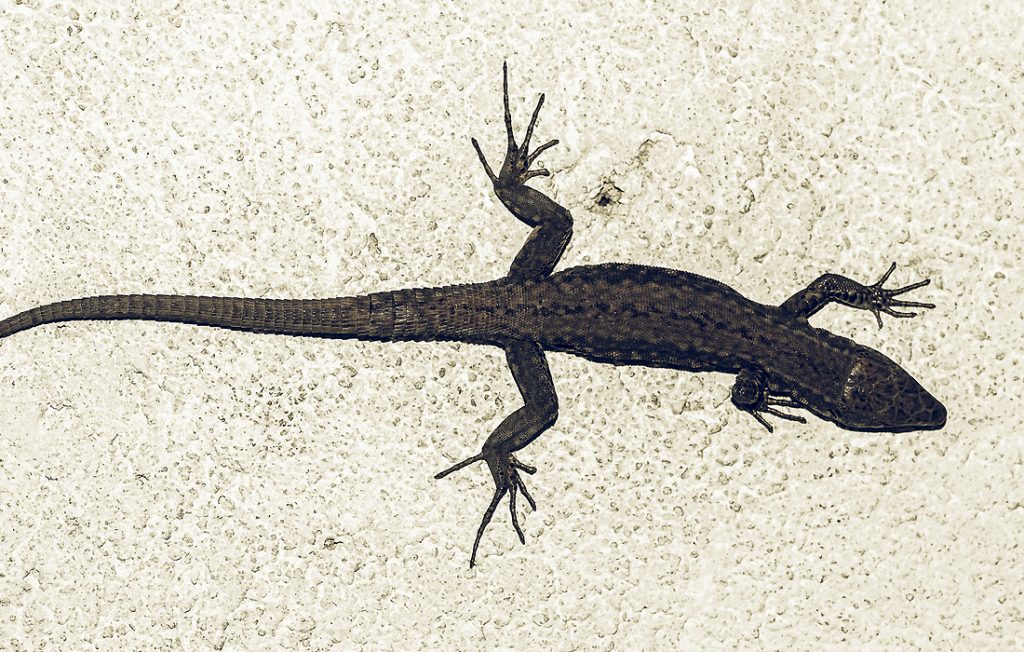
Stories like this serve as a reminder that appearances can sometimes be deceiving. What seems like an ordinary animal may have a far more complex background than people initially realize. When encountering wildlife, seeking guidance from veterinarians, animal rescue organizations, or wildlife experts is often the best course of action. The little girl’s discovery may have started as an exciting adventure, but it ultimately highlighted the importance of knowledge, caution, and respect for the natural world. Sometimes the most valuable lesson is understanding that the best way to help an animal is to ensure it receives the care and environment it truly needs.