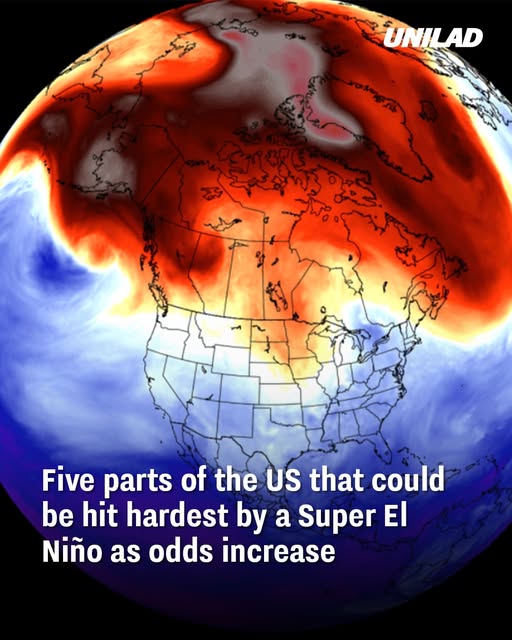
Climate experts are closely monitoring the development of a potential Super El Niño that could emerge later in 2026, and forecasts suggest it may significantly influence weather patterns across the United States. While El Niño is a naturally occurring climate phenomenon, particularly strong events have historically been linked to extreme weather, including flooding, droughts, hurricanes, and record-breaking temperatures.
Scientists report that the likelihood of El Niño conditions developing during the coming months has increased substantially. Forecasts from the U.S. Climate Prediction Center indicate a high probability that the event will continue into the winter of 2026 and early 2027.
What Is a Super El Niño?
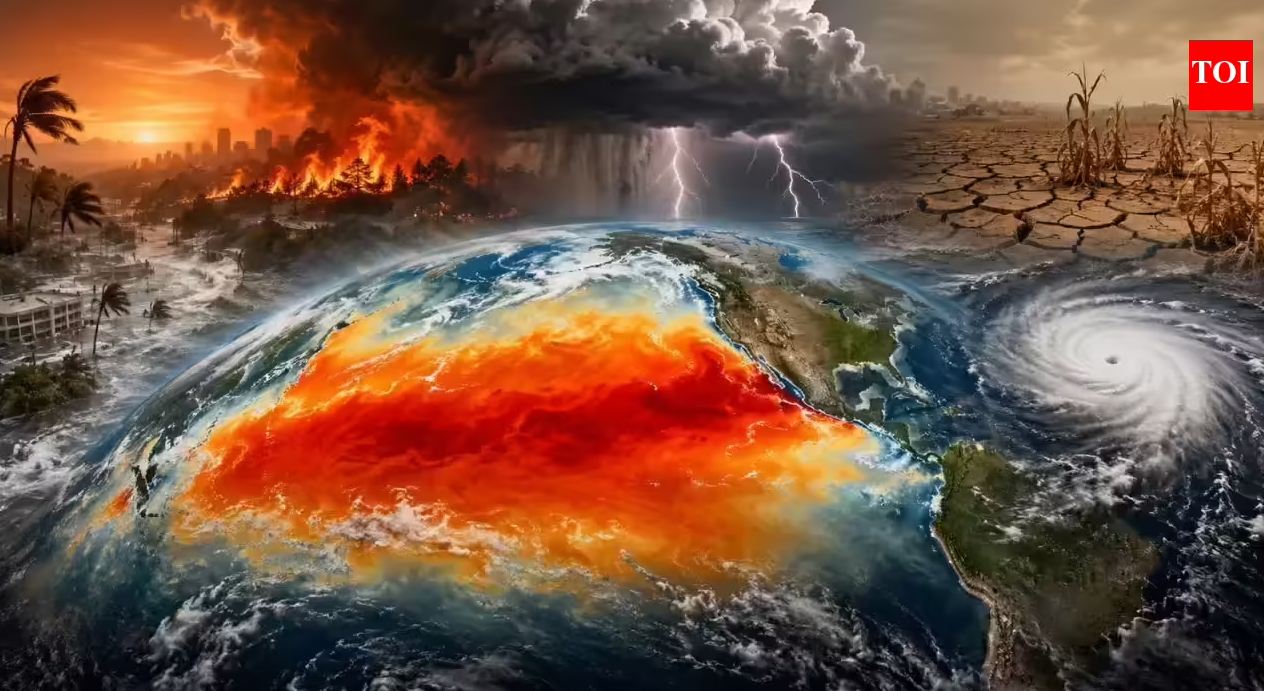
El Niño occurs when sea surface temperatures in the central and eastern Pacific Ocean become significantly warmer than average. These warmer waters affect atmospheric circulation patterns, altering weather conditions across many parts of the world. A “Super El Niño” is an informal term used to describe exceptionally strong El Niño events. These powerful episodes can have far-reaching consequences, influencing rainfall, temperatures, storm activity, agriculture, and water supplies on a global scale. Experts warn that the developing event could become one of the strongest seen in decades.
Hawaii and the West Coast Face Elevated Risks
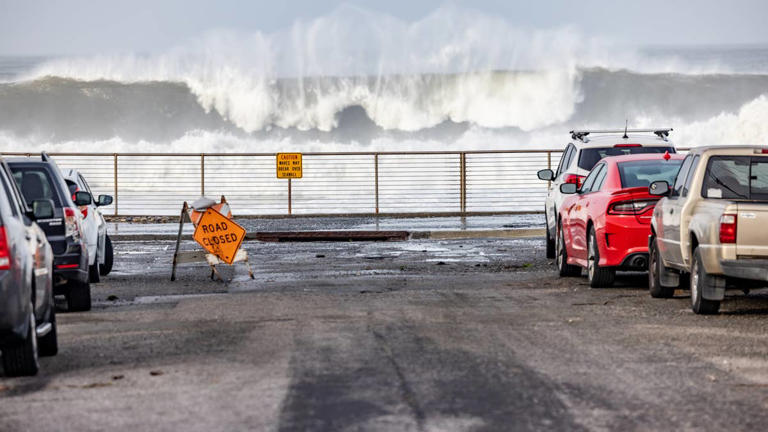
Among the areas expected to experience the greatest impacts are Hawaii and portions of the U.S. West Coast.
Meteorologists note that strong El Niño conditions often lead to increased activity in the Pacific hurricane basin. This raises concerns for Hawaii, where experts say early warning signs are already attracting attention. Coastal states along the Pacific may also experience unusual rainfall patterns, storms, and shifting weather conditions throughout the season. The combination of an emerging El Niño and ongoing marine heatwaves in the Pacific has also heightened concerns about extreme temperatures and ecosystem disruptions along the western coastline.
Southern States Could See More Storms
Historical El Niño patterns show that southern parts of the United States frequently experience an increase in storm activity. Climate experts explain that El Niño strengthens the subtropical jet stream, which can act as a pathway for storm systems moving across the southern half of the country. As a result, states across the South may face more frequent rain events, thunderstorms, and periods of severe weather during the cooler months. For regions that have struggled with drought conditions, additional rainfall could provide some benefits. However, excessive precipitation can also increase flood risks and place additional strain on infrastructure.
Florida and the Gulf Coast May Become Much Wetter
Forecasters are particularly watching Florida and the Gulf Coast. Strong El Niño events have historically been associated with wetter-than-average conditions across these regions during autumn and winter. Increased rainfall can help replenish water supplies but may also create flooding concerns in low-lying areas and coastal communities. Weather experts suggest residents in these areas should prepare for the possibility of prolonged wet periods later in the year if forecasts continue to strengthen.
Rising Temperatures Could Affect the Entire Nation
Although some regions may experience heavier rainfall and others may see different storm patterns, one impact could be felt nationwide: higher temperatures. Scientists believe that a strong El Niño could contribute to additional global warming by releasing large amounts of stored ocean heat into the atmosphere. Several forecasts suggest that either 2026 or 2027 could challenge existing global temperature records. Higher temperatures may increase wildfire risks, place pressure on agriculture, and contribute to more frequent heat-related health concerns across many states.
Looking Ahead
While meteorologists continue to emphasize that forecasts may evolve in the coming months, confidence is growing that El Niño conditions will develop and persist into the winter season. The exact intensity remains uncertain, but experts agree that Americans should pay close attention to updates as weather patterns begin to shift. Whether through increased storms, heavier rainfall, hotter temperatures, or changing hurricane activity, a strong El Niño has the potential to affect millions of people across the United States. Preparing early and staying informed will be essential as scientists continue to track this developing climate event.