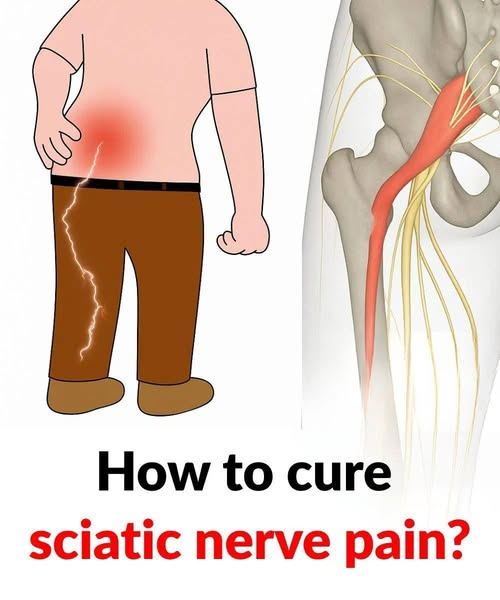
Sciatica can make even the simplest daily activities feel difficult. The sharp pain that travels from the lower back down through the leg can affect walking, sitting, sleeping, and even standing for long periods. For many people, the discomfort also comes with tingling, numbness, or burning sensations. The good news is that gentle movement may help reduce pressure on the sciatic nerve and improve flexibility over time. While severe cases should always be checked by a medical professional, light stretching is often one of the safest ways to start finding some relief at home.
What Sciatica Actually Is
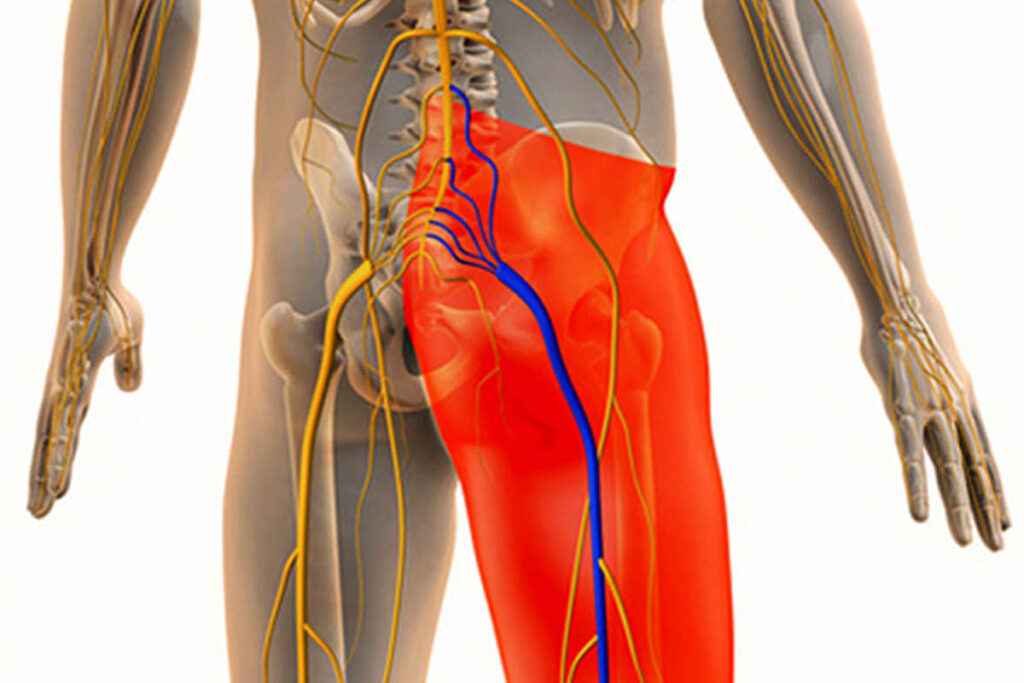
Sciatica is not a condition by itself but a symptom caused by irritation or compression of the sciatic nerve, which runs from the lower spine through the hips and down each leg. It is commonly linked to issues like a herniated disc, tight piriformis muscles, spinal stenosis, poor posture, or long periods of sitting. In many cases, symptoms affect only one side of the body and may improve within a few weeks with conservative care. Experts generally agree that gentle, controlled stretching can help reduce muscle tension around the nerve and support better mobility, but overly aggressive stretching may make symptoms worse.
Stretch 1: Piriformis Stretch (Seated Figure-Four)
One of the most commonly recommended stretches for sciatica is the piriformis stretch, also known as the seated figure-four stretch. This move targets a deep muscle in the hip that can sometimes press against the sciatic nerve and trigger pain. To do it, sit with your legs extended, then cross one ankle over the opposite knee to create a figure-four shape. Gently lean forward while keeping your back long until you feel a mild stretch in the glute area. Hold for about 20 to 30 seconds, then switch sides. This stretch can also be done sitting in a chair if floor movement feels too intense. It is often recommended because it helps release tension in the hips without putting too much stress on the lower back.
Stretch 2: Knee-to-Chest for Lower Back Relief
Another beginner-friendly movement is the knee-to-chest stretch. This one is designed to gently decompress the lower back and reduce pressure in the lumbar spine. Lie on your back with your knees bent and feet flat on the floor. Slowly bring one knee toward your chest, holding behind the thigh or around the shin, depending on what feels comfortable. Keep the other foot flat or extend that leg if it does not increase pain. Hold the position for 20 to 30 seconds, then switch sides. Some people also find relief by bringing both knees toward the chest, but that should only be done if it feels comfortable and does not cause pinching. This stretch is often used to calm nerve irritation and loosen the lower back.
Stretch 3: Child’s Pose for Gentle Spinal Release
Child’s Pose is a simple yoga-inspired stretch that may help relax the lower back and create gentle space through the spine. Start by kneeling on the floor and sitting back on your heels. Fold your torso forward and extend your arms out in front, or rest them alongside your body if that feels better. Lower your chest and forehead toward the floor and breathe deeply for 30 seconds to one minute. If needed, place a pillow under your hips or between your thighs and calves for extra comfort. This pose is often considered helpful because it encourages relaxation while lightly lengthening the back muscles, which can reduce tension around the irritated nerve.
Stretch Gently and Know When to Stop
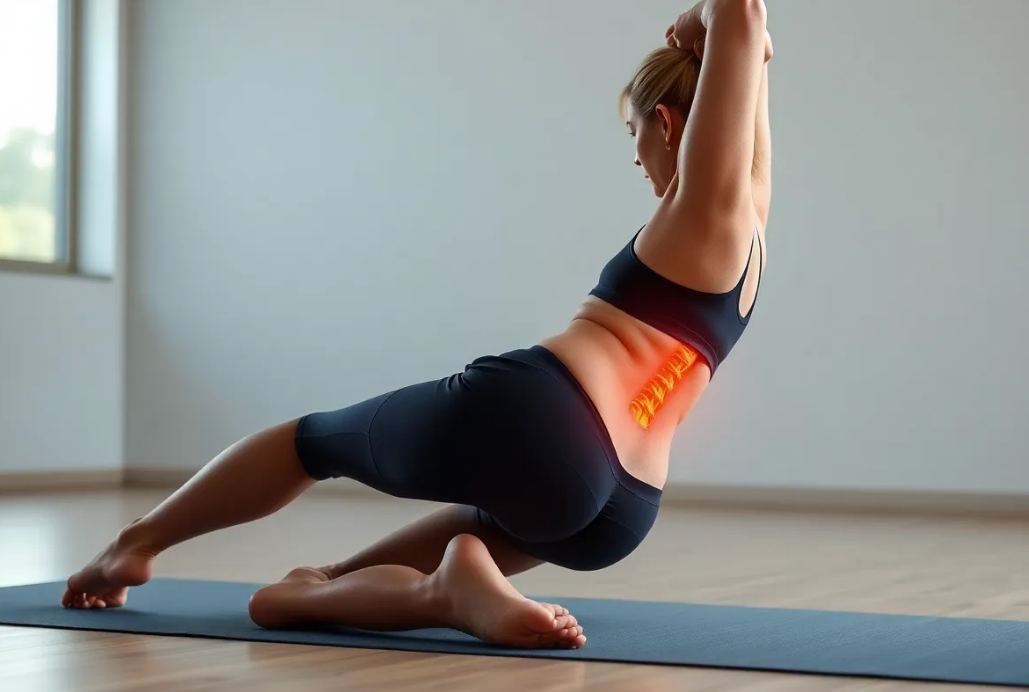
The most important rule with sciatica is to move slowly and never push into sharp pain. Gentle stretches should feel mild and relieving — not intense or painful. Many health experts also warn against aggressive toe touches, deep forward bends, or forceful twisting early on, because these can worsen nerve irritation in some people. If symptoms become more severe, if you develop weakness, or if pain continues for weeks, it is important to seek medical advice. Done carefully and consistently, these simple stretches may help many people manage sciatica more comfortably and safely at home.