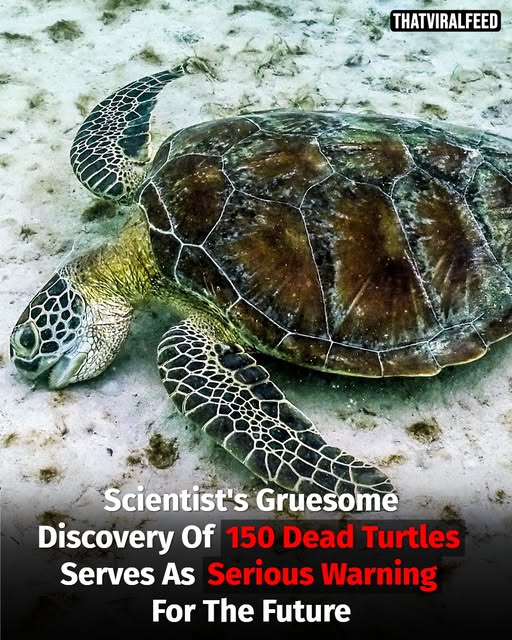
A disturbing discovery in a Canadian lake has left scientists deeply concerned about what it could mean for the future of wildlife in a warming world. After years of monitoring a northern map turtle population in Ontario’s Lake Opinicon, biologist Grégory Bulté was stunned when he found dozens upon dozens of dead turtles during what should have been a routine spring survey. What began as a single alarming sight quickly turned into a grim mass mortality event that researchers now see as a serious warning sign.
The discovery has gained major attention because it was not caused by pollution, disease, or a mysterious chemical spill as some might first assume. Instead, the deaths appear to be tied to a combination of natural predation and changing winter conditions — a dangerous mix that scientists fear could become more common as climate patterns shift.
What the Scientist Found in the Lake
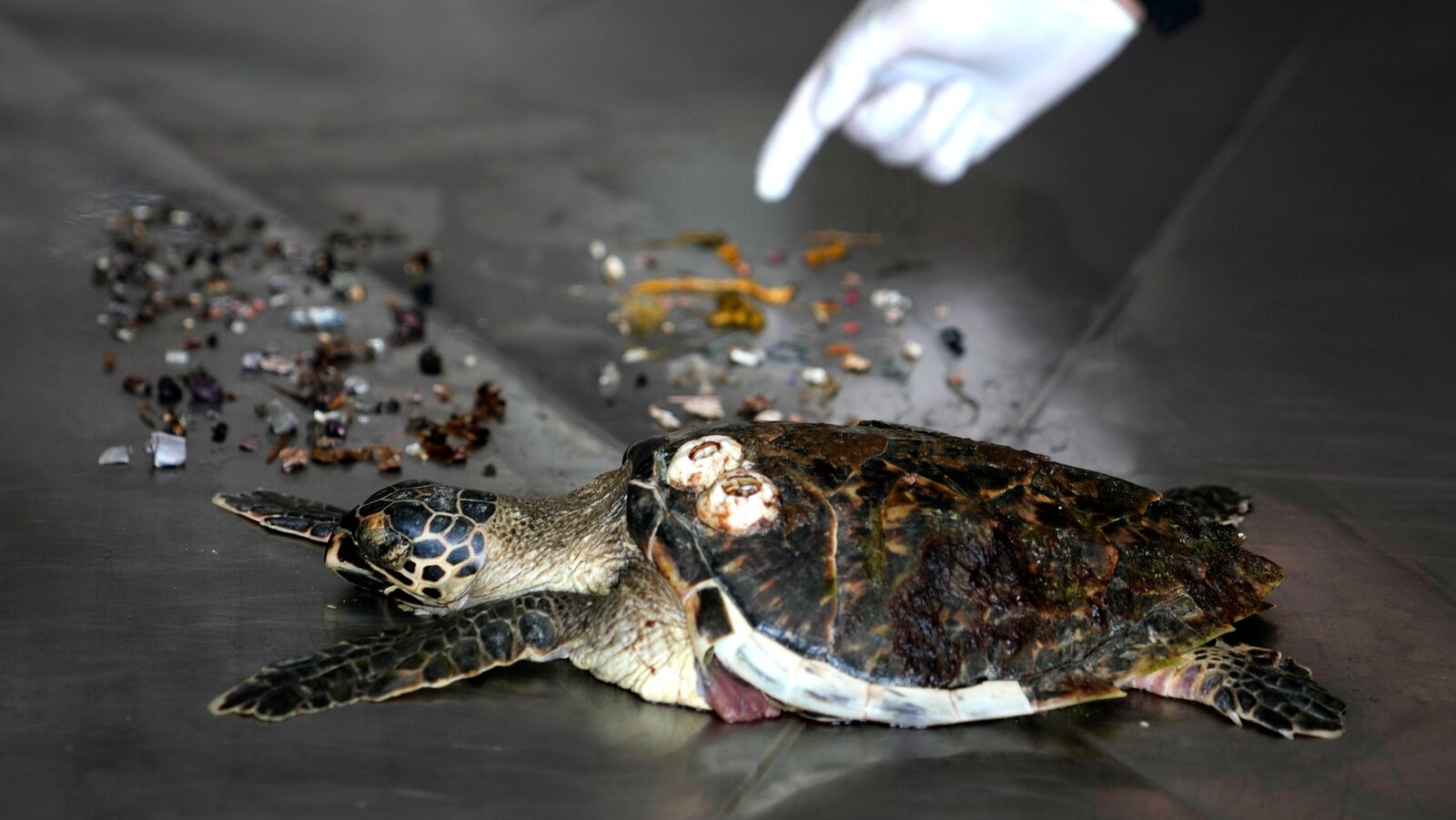
Bulté, a researcher at Carleton University, has been studying the northern map turtles of Lake Opinicon for more than two decades. In the spring of 2022, while checking on the population after winter, he spotted something he had never seen before: a dead turtle floating in the water. Then he found another. And another. Soon, the number of carcasses became overwhelming. By the end of the search, he had counted 142 dead northern map turtles — roughly 10 percent of the lake’s entire population. The turtles showed horrifying injuries, including smashed shells and missing limbs. The scene was so unusual that it immediately raised fears that something catastrophic had happened beneath the ice during the winter months. For a species that already faces pressure from habitat disruption and human activity, losing that many individuals in one event is considered extremely serious.
The Surprising Cause Behind the Deaths
After closer investigation, scientists believe the turtles were killed by river otters. While otters are natural predators, the shocking scale of the event is what makes this case so unusual. Northern map turtles hibernate under the ice in winter, often clustered together in shallow areas. Normally, solid ice offers some protection. But in this case, researchers believe holes in the ice allowed otters to dive below the surface and attack the slow-moving turtles while they were vulnerable. That means the deaths were not simply about predators being present — they were about predators gaining access in a way that may be happening more often due to environmental changes. Researchers are especially worried that warmer winters, thinner ice, and more unstable freeze-thaw cycles could make such attacks easier in the future. Human-made openings in the ice, such as de-icing bubblers near docks and boathouses, may also increase the danger.
Why Scientists Say This Is a Warning for the Future
What makes this story so alarming is that it may represent more than a one-time tragedy. Scientists studying the population fear it could be a glimpse of what lies ahead if winter conditions continue to become less predictable. Northern map turtles are already a species at risk in Canada, and because adults are so important to population survival, a sudden loss of nearly 10 percent can take years — or even decades — to recover from. Researchers also note that male turtles were hit especially hard, which could affect breeding patterns and long-term stability. Combined with shoreline development, boat strikes, and habitat pressure, the turtles now face a growing list of threats. That is why many experts are treating this as a much bigger environmental warning, not just an isolated wildlife story.
A Brutal Discovery With a Bigger Message
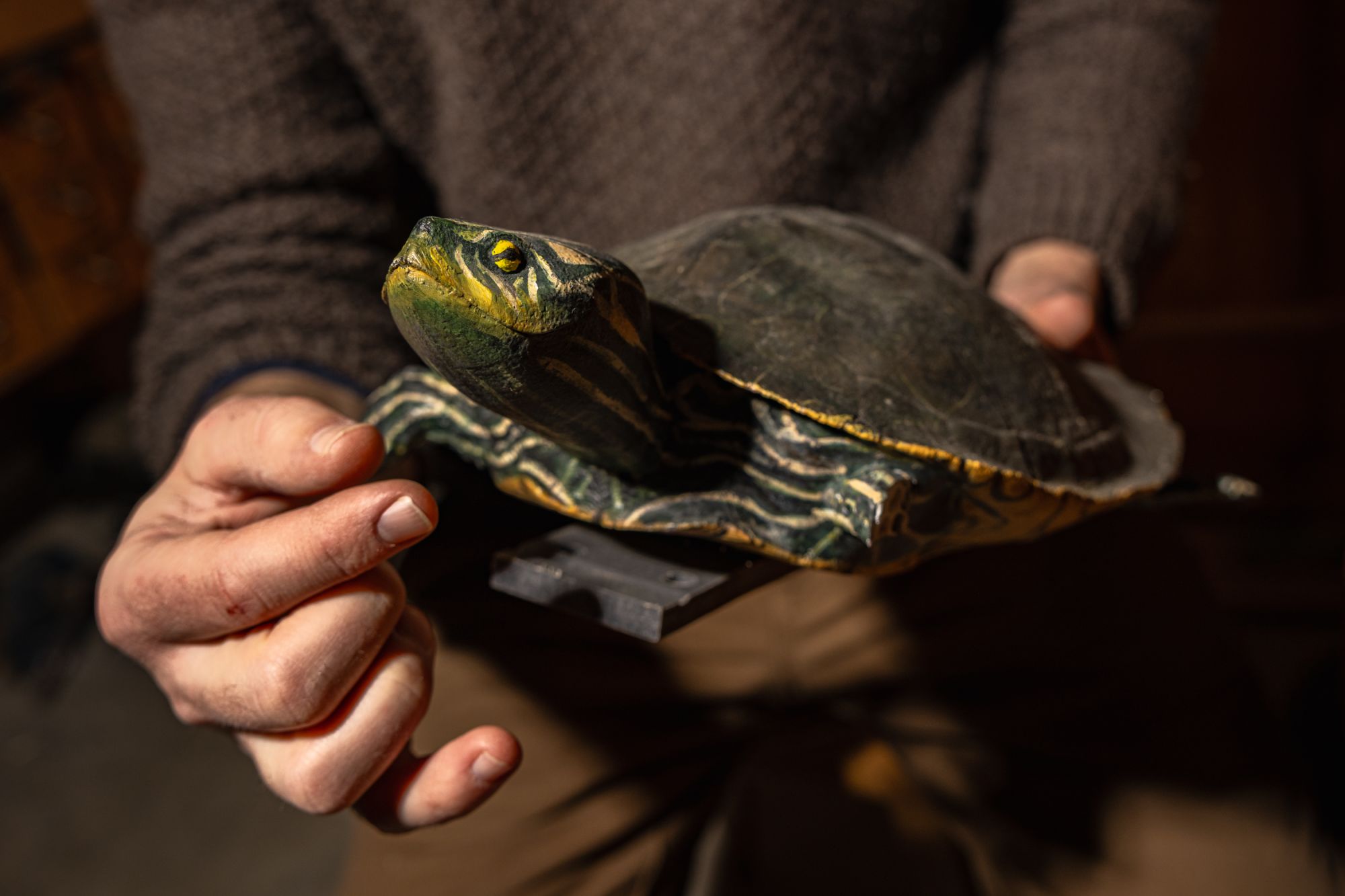
At first glance, the image of dead turtles in a frozen Canadian lake sounds like a tragic but local event. But scientists say it may reflect something much larger: how even subtle climate shifts can create deadly new risks for species that evolved around stable seasonal patterns. When winters become less reliable, predators, prey, and entire ecosystems can be thrown off balance. That is why this grim discovery has resonated so strongly. It is not just about what happened to 142 turtles in one Ontario lake. It is about how fragile natural systems can become when the climate starts changing faster than wildlife can adapt. And for many scientists, that is the real warning hidden beneath the ice.