
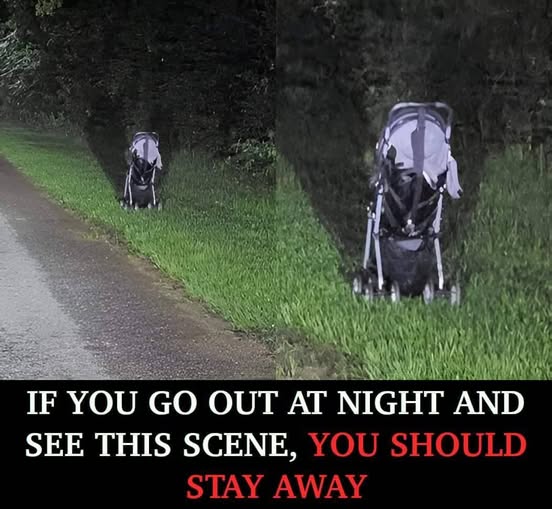
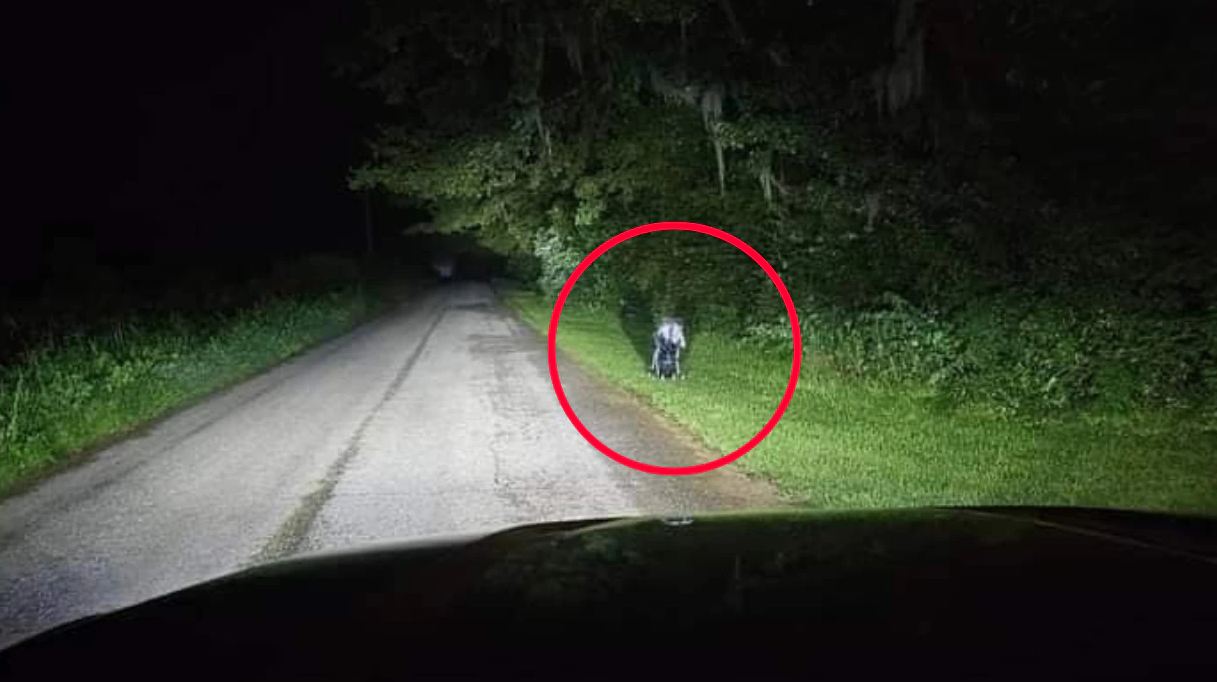
A woman has issued a chilling warning to drivers after encountering an unsettling sight while traveling along a quiet road. While driving through a remote area, she noticed what appeared to be an abandoned baby stroller sitting alone on the side of the road. The sight immediately raised concern. With no adults, vehicles, or houses nearby, the stroller seemed completely out of place. Like many people, her first instinct was to stop and check whether a child might be in danger.
However, something about the situation didn’t feel right. Instead of getting out of her car, she chose to remain inside and later shared her experience online to warn others about the potential danger. Her message quickly gained attention on social media and sparked a widespread conversation about a possible roadside scam targeting compassionate drivers.
Why the Situation Felt Suspicious
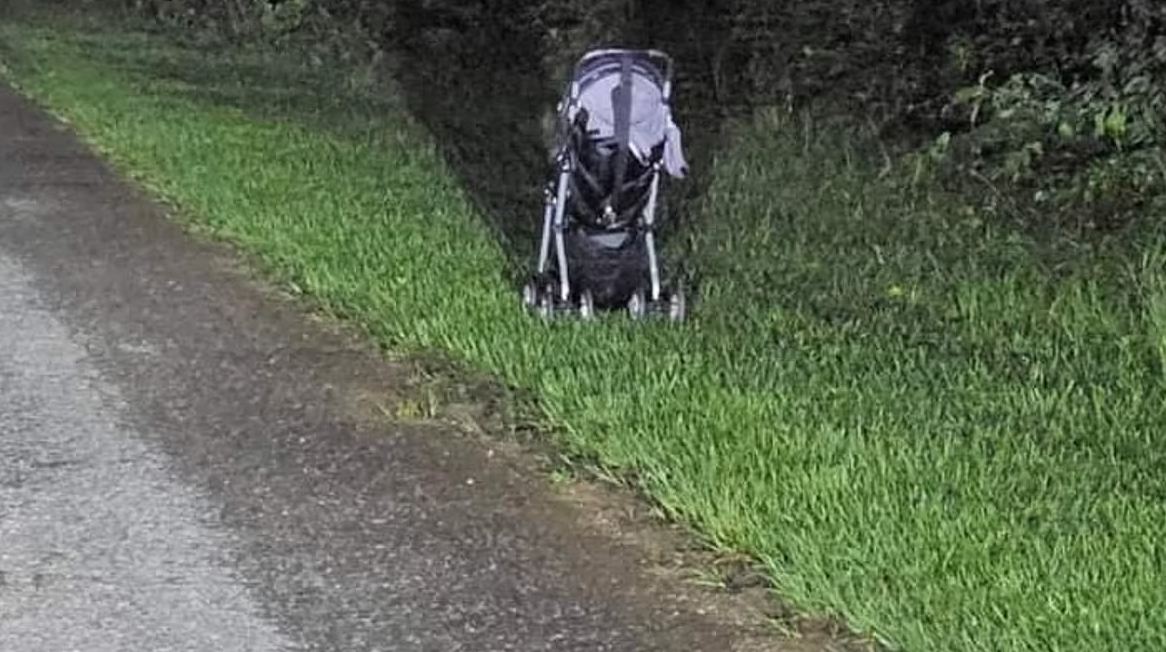
The stroller was positioned in a way that made it difficult to see whether anything was inside it. The woman explained that the area was isolated, with trees lining the road and no other traffic around. Scenes like this can trigger an emotional response because people naturally want to help if they believe a baby might be in danger. That instinct, however, is exactly what makes the situation potentially risky. According to many people who responded to the woman’s post, criminals sometimes place items such as strollers, car seats, or baby carriers along the road to lure drivers out of their vehicles. Once someone stops to investigate, they may become vulnerable to robbery or assault. Although not every abandoned item is part of a scam, the unusual placement of the stroller raised enough concern to make the woman cautious.
A Trap That Targets Kindness
Experts and online commenters have pointed out that these types of setups are designed to take advantage of people’s empathy. Most drivers would feel compelled to check if a baby might be in danger. Unfortunately, that moment of concern can create an opportunity for criminals hiding nearby. Some similar scams have involved fake roadside emergencies, including individuals pretending to be injured or asking for help while accomplices wait nearby. The goal is to distract or isolate the victim before committing theft or other crimes. In more extreme cases, thieves may even attempt to steal the victim’s vehicle while they are distracted investigating the situation. Because of these risks, safety experts often recommend treating suspicious roadside scenes with caution.
The Warning That Went Viral
After sharing her experience online, the woman’s message quickly spread across social media platforms. Thousands of people shared the post, adding their own warnings and stories about similar encounters. Her advice was simple: if you see a stroller, car seat, or anything that appears to involve a baby left alone in a remote location, do not immediately approach it. Instead, remain inside your vehicle and contact local authorities so they can investigate safely. Many commenters agreed with this approach, saying that it is always better to let trained professionals handle potentially dangerous situations.
Not Every Situation Is a Scam
Despite the alarming possibilities, some people pointed out that abandoned strollers are not always part of criminal activity. In some cases, parents may accidentally leave baby equipment behind while loading a car, or someone may place a used stroller by the roadside for others to take for free. Still, many experts emphasize that the safest response is to avoid direct involvement and alert authorities if something appears suspicious.
A Reminder to Stay Alert
The woman’s experience serves as a reminder that even ordinary roadside objects can sometimes hide unexpected dangers. While the instinct to help others is admirable, personal safety should always come first. Calling the police or emergency services allows trained professionals to assess the situation without putting additional people at risk. In a world where scams and deceptive tactics continue to evolve, staying cautious and aware can make a critical difference.