Traffic congestion can turn everyday commuting into a major headache. Recent data shows that in one American city, drivers now spend far more time stuck in gridlock than in any other. This problem doesn’t just cost time — it eats into productivity, increases stress, and carries economic cost for individuals and the region as a whole.
The most recent nationwide study reveals that Chicago, Illinois now claims the title of the U.S. city with the worst traffic, overtaking more familiar heavy-traffic cities. Residents there are losing an average of over 110 hours per year waiting in congestion — that’s roughly the equivalent of three full workdays wasted in their cars.
How It Got This Bad
Several factors contribute to Chicago’s traffic mess. After the pandemic, many people returned to commuting daily — and public transit usage remains below pre-pandemic levels. As a result, more drivers are on the road. At the same time, housing costs and urban sprawl have pushed many workers into longer “super-commutes,” increasing overall travel distance and time. Infrastructure hasn’t kept up with this growth: old road networks, chokepoints around major hubs and insufficient expansion have all worsened the congestion. At the same time, slower transit trends have magnified the problem nationwide. Average U.S. drivers now lose nearly twice as much time in traffic as city drivers just a decade ago. With so many people driving instead of using public transit — or flexible work options — roads across many metropolitan areas have become persistently jammed.
What Others Are Facing
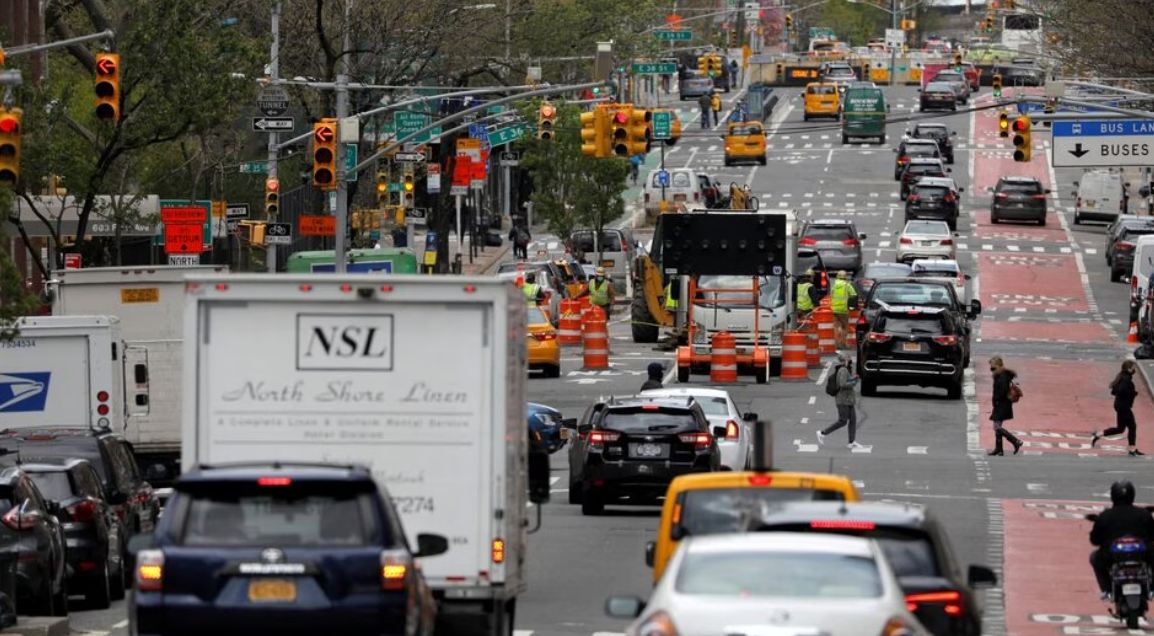
Chicago isn’t alone — several other large U.S. cities also rank high on the list for traffic pain. New York City, Philadelphia, Pennsylvania, Los Angeles, California, Boston, Massachusetts, Miami, Florida, Houston, Texas, Atlanta, Georgia, Washington, D.C. and Seattle, Washington all appear near the top of congestion rankings across the country. Each city shares similar pressures: increasing population, sprawling suburbs, rising commuter traffic, aging infrastructure, and insufficient public transit alternatives. These cities’ residents too face long delays, erratic commute times, and elevated costs associated with time wasted in traffic.
The Human and Economic Toll
Spending hours every week sitting in traffic is more than just frustrating — it has real consequences. Time lost on the road translates to less time for family, leisure or rest. It increases stress levels, robs people of productivity, and can even impact mental and physical health. For drivers in high-congestion cities, the financial costs add up as well. Between fuel consumption, wear and tear on vehicles, wasted time, and the opportunity cost of being stuck instead of working or relaxing — traffic inefficiency becomes a hidden but serious expense. At a societal level, widespread traffic congestion slows down economic growth, burdens infrastructure, increases pollution, and reduces overall quality of life. What starts as a daily annoyance becomes a large-scale burden on communities.
Could It Get Better — Or Worse?
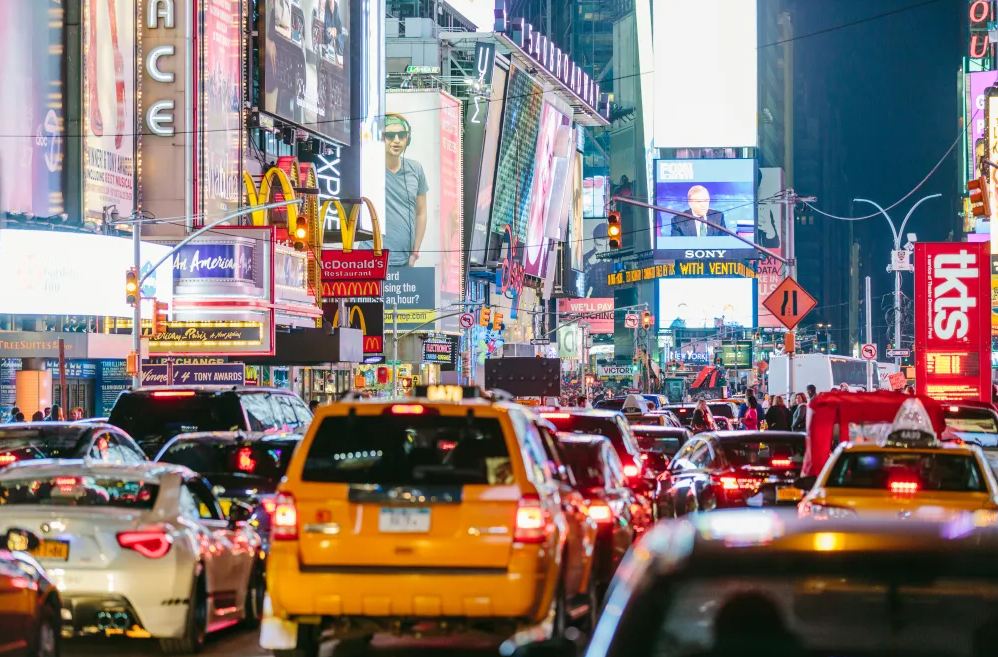
Given current trends, congestion is unlikely to vanish soon — many urban areas are still growing, housing remains expensive, and fewer people rely on public transport than before. Without significant infrastructure investment, improved public transit options, and changes in commuting habits, traffic could worsen. However, awareness of the problem is rising. Some cities are exploring better public transportation, remote-work policies, flexible scheduling, and traffic-reduction strategies. As more people understand the true cost of time lost to gridlock, demand for smarter solutions grows.
What This Means for Everyday Drivers
For anyone living in or near a congested city, these findings serve as a wake-up call. It may be worth reconsidering commuting habits: car-pools, off-peak travel times, or alternate routes could save time, money, and stress. For policymakers, it underscores the urgency of investing in public transport, expanding roads responsibly, and rethinking urban planning to reduce dependence on long commutes. In the end, traffic isn’t just a nuisance — it’s a challenge that touches many aspects of daily life. Recognizing the problem is the first step; creating better, sustainable transportation habits is the next.