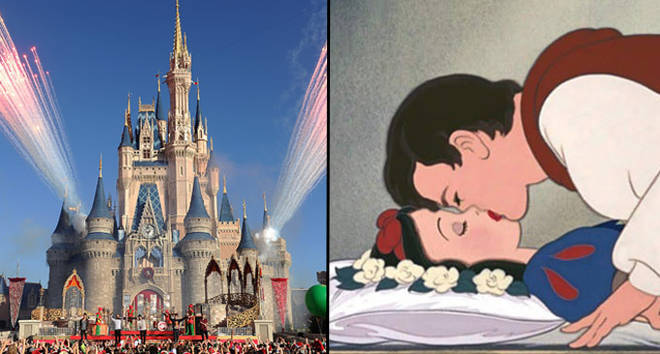
The iconic fairy tale “Snow White” is facing renewed scrutiny from many modern viewers, who believe that a key moment — the famous “true love’s kiss” that revives the sleeping princess — promotes kissing without consent. The concern is that the prince kisses Snow White while she is unconscious, unable to agree or even respond. For decades, this moment was accepted as romantic and magical. Today, critics argue that it sends a problematic message about consent to young audiences.
This backlash has gained steam recently, especially as society rethinks narratives around consent, agency and respectful relationships. What once may have been dismissed as harmless fantasy is now viewed through a sharper — and more realistic — ethical lens.
What’s the Problem With the Kiss
At the heart of the debate: Snow White does not — and cannot — consent. She is under a spell, unconscious, and therefore not in a position to agree to a kiss. Critics say that a kiss given under such circumstances is more akin to coercion or assault, rather than romance. Voices have emerged urging re-thinking or altering the story. During a discussion on a UK talk show, a guest described the kiss as “problematic,” arguing that children absorb these early stories and may internalise harmful ideas about boundaries and consent. The guest suggested that if an unconscious character can be kissed without their permission and that act is framed as love, it blurs the line between genuine affection and disrespect.

Furthermore, renewed versions and adaptations — such as theme-park rides or live-action remakes — have reignited debate by reproducing the controversial scene. This has prompted calls for updates or disclaimers, especially given that Disney as a brand markets itself heavily to children and families.
Efforts to Reimagine the Story
In response to growing criticism, creators of newer adaptations have shown signs of rethinking the original narrative. For instance, the upcoming live-action version of “Snow White” reportedly aims to emphasise the heroine’s strength, autonomy and personal journey, rather than focusing purely on romance. Some involved in these adaptations have spoken openly about viewing the original kiss as outdated, even describing the prince’s behaviour in the 1937 film as more akin to stalking than romance. This reflects a wider trend: reinterpreting fairy tales to align with contemporary values around consent, gender dynamics and personal agency. That said, not all fans or critics agree the plot should be altered. Some argue that fairy tales are symbolic, not literal — that the kiss represents a magical revival rather than an actual act of intimacy. Others worry about losing the nostalgic charm or moral simplicity that made “Snow White” beloved in the first place.
Cultural Shift: Why This Matters Now
The debate over “Snow White” mirrors a broader cultural re-evaluation of stories told to children — stories that once reinforced certain norms around gender, love, and relationships. Today’s audiences are more sensitive to consent, autonomy, and ethical representation. As such, what seemed acceptable decades ago now feels tone-deaf, even harmful. Fairy tales hold power: they shape ideas of love, heroism, and morality. When classic tales like “Snow White” include moments where consent is ambiguous — or absent — it raises valid concerns about the messages being passed to young viewers. Changing or reimagining these stories may reflect greater social awareness and respect for agency and mutual respect in relationships.
The Way Forward: Respecting the Past — and the Present
Given the conversation around consent and representation, re-examining beloved stories like “Snow White” seems not only reasonable — but important. Retaining their magic and wonder does not preclude updating problematic elements or adding nuance. By adapting the tale to highlight mutual respect, agency, and informed consent — rather than relying on unconscious romantic clichés — storytellers can preserve the heart of the narrative while aligning it with modern values. This evolution can help ensure that future generations enjoy these stories without inheriting outdated attitudes toward relationships and consent.