

Every year, global organizations and experts analyze various factors to identify the most dangerous countries in the world. These rankings often consider violence, political instability, crime rates, ongoing conflicts, and other risks affecting safety and security. Such information is essential for travelers, businesses, and governments to assess potential threats and make informed decisions.
Key Factors Behind Danger Ratings
Dangerous countries typically share several common characteristics:
- Armed Conflicts and Wars: Countries experiencing active warfare, civil unrest, or violent clashes usually top the lists. Ongoing battles create unsafe environments for both residents and visitors.
- High Crime Rates: Elevated levels of violent crime, including homicides, kidnappings, and organized crime, greatly increase a country’s risk profile.
- Political Instability and Corruption: Weak governance, corruption, and failing institutions often lead to lawlessness and poor protection for citizens.
- Terrorism and Extremism: The presence of terrorist groups or extremist factions poses serious threats to safety, with increased risks of attacks.
- Humanitarian Crises: Severe poverty, displacement, food shortages, and lack of access to healthcare compound the dangers people face in these regions.
- These overlapping issues often create a cycle of instability that is hard to break, contributing to prolonged insecurity.

Examples of Commonly Dangerous Regions
While danger can exist anywhere, certain regions tend to have multiple countries marked as high risk:
- War Zones: Areas engulfed by ongoing conflicts, such as civil wars or foreign invasions, where daily life is disrupted.
- Areas with Organized Crime: Regions where drug trafficking, gangs, and violent criminal organizations operate with impunity.
- Failed States: Countries with collapsed or ineffective governments, unable to provide security or enforce laws.
- Terrorism Hotspots: Locations frequently targeted by or harboring terrorist groups.
- Regions Facing Humanitarian Disaster: Places suffering from famine, displacement, and social breakdown.
Who Benefits From Knowing This Information?
Lists of the most dangerous countries are useful for:
- Travelers: To avoid unsafe destinations or take extra precautions when visiting.
- Businesses: To assess risks before investing or operating in certain countries.
- Government Agencies: For diplomatic, military, or humanitarian planning.
- Non-Governmental Organizations: To prioritize aid and protection efforts where they are needed most.
- Researchers and Media: To understand global conflict patterns and inform the public.
Important Considerations and Limitations
It is crucial to remember that these rankings do not mean the entire country is unsafe. Many nations have peaceful regions or cities even in otherwise dangerous contexts. Furthermore, conditions can change rapidly, either improving or deteriorating. Personal safety depends on many factors, including behavior, local knowledge, and timing. Being aware of surroundings, respecting local laws, and staying informed can greatly reduce risk.
The Broader Impact of Danger Rankings
Highlighting the world’s most dangerous countries raises awareness of ongoing crises and suffering. It reminds the international community that millions of people live with constant threats to their safety and well-being. At the same time, these reports encourage governments and organizations to focus efforts on conflict resolution, development, and humanitarian aid. They also emphasize the importance of strengthening institutions and promoting peace.
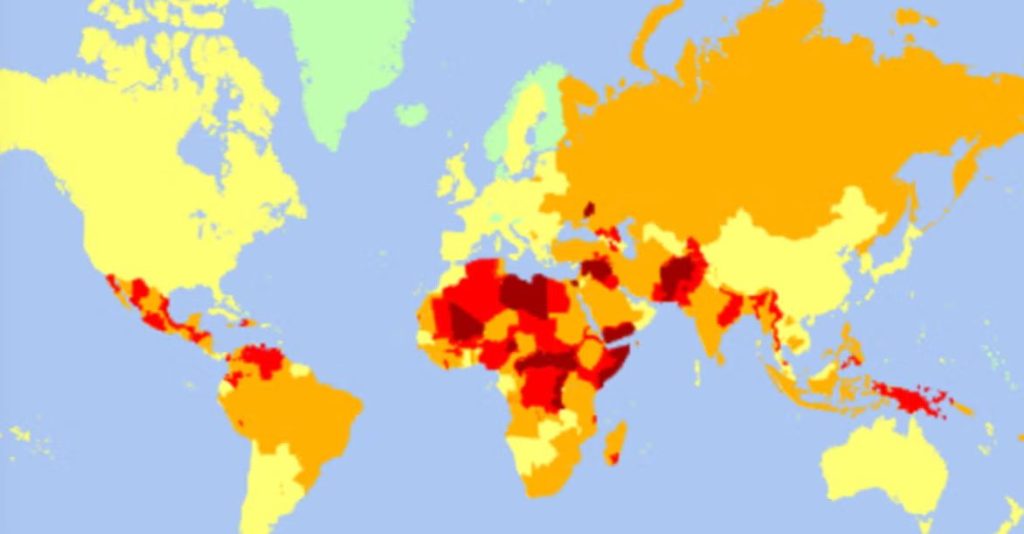
Moving Beyond Labels: Seeking Solutions
Labeling countries as “dangerous” should not lead to stereotypes or assumptions about entire populations. Instead, it should motivate collective action toward addressing root causes of instability such as poverty, inequality, corruption, and unresolved conflicts. Understanding these complexities helps foster empathy and supports initiatives that aim for long-term security and prosperity.