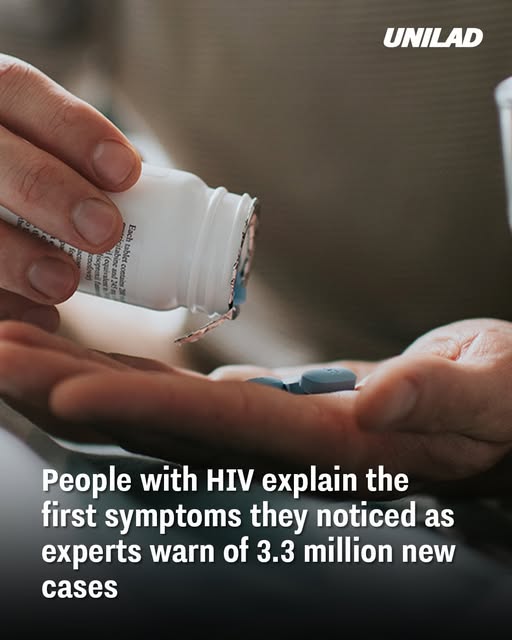
Shortly after infection, many people experience what is known as acute HIV infection — a period when the virus rapidly multiplies and the immune system reacts. During this early phase (usually 2 to 4 weeks after exposure, though timing can vary), someone may start feeling unwell.
This initial reaction is the body’s response to the virus — but because it often feels like a common illness, it is easy to mistake for the flu or a mild infection.
Common Early Symptoms People Notice
When symptoms appear, they can vary significantly from person to person. Common early signs reported include:
- Fever and chills — often mild but persistent.
- Fatigue or unusual tiredness, even without strenuous activity.
- Swollen lymph nodes, especially in the neck, armpits, or groin.
- Sore throat, headache, and muscle or joint aches, similar to flu symptoms.
- Skin rash or unusual skin changes, sometimes small red or pink patches.
- Night sweats, mild weight loss, and general malaise or discomfort.
- Some people also notice other symptoms, such as ulcers in the mouth or on genital areas, stomach‑related problems (like nausea or diarrhea), or slight flu‑like features that don’t go away easily.
Importantly — these symptoms may last only a week to a few weeks, then go away on their own. Over time, many people who are living with HIV may not show any obvious signs for years — which can mask the presence of the virus.
Why Early Symptoms Are Often Overlooked
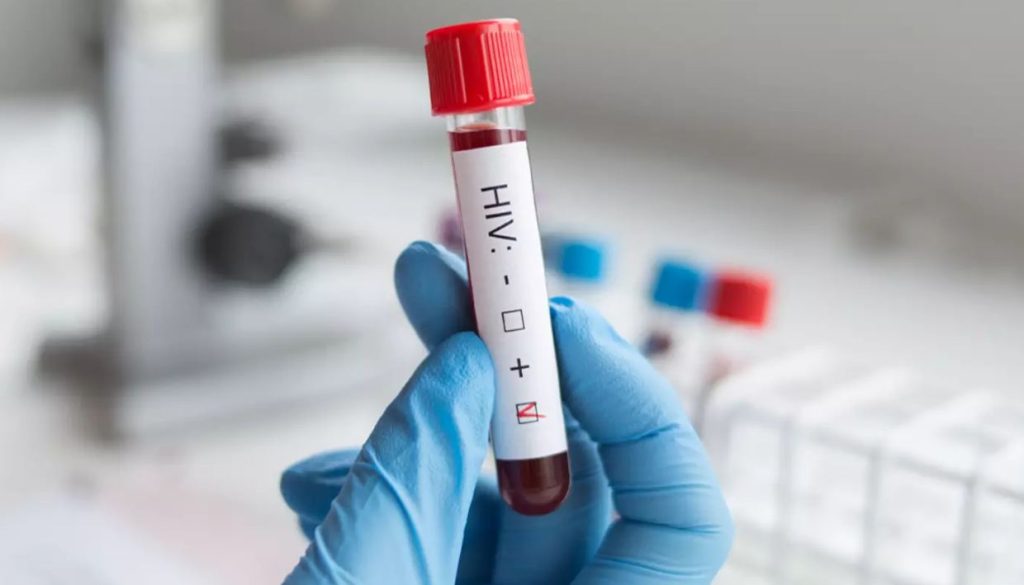
Because the early signs of HIV resemble those of many common illnesses — such as flu, mononucleosis, or even seasonal virus infections — it’s very common for them to be dismissed or misattributed. Moreover, not everyone with HIV develops noticeable symptoms during the acute phase. Some people may never experience that “flu‑like illness,” but the virus will still be present and active — silently weakening the immune system. Because of this unpredictability, relying on symptoms alone is risky. The only way to confirm HIV infection is through proper testing.
What to Do If You Suspect Exposure or Notice Symptoms
If you believe you may have been exposed — for example, through unprotected sex, sharing needles, or other risky contact — and then start noticing one or more of the symptoms described above, it’s important to get tested as soon as possible. Early diagnosis enables timely medical care, helps control the virus, and reduces the risk of transmission to others. Even if symptoms are mild or disappear quickly, that does not mean you’re safe. HIV can lay low for years, so testing remains the only reliable way to know.
The Reality: HIV Is Manageable — But Early Detection Matters
Modern treatment and care mean that a positive HIV diagnosis isn’t the same as in decades past. With early detection and proper medical support, people living with HIV can maintain good health and quality of life. The first symptoms of HIV — if they appear — are often subtle and easy to misinterpret. That’s why awareness, informed action, and compassionate response are so critical. If you want — I can also draft a simple “what to watch for” checklist (symptoms + risk situations) that you could use or share with others.